![Organic farming protects the land and the livelihoods of producers [Mexico]](/jp/action/resource/1.jpg)
Next article
Initiatives for inbound tourism
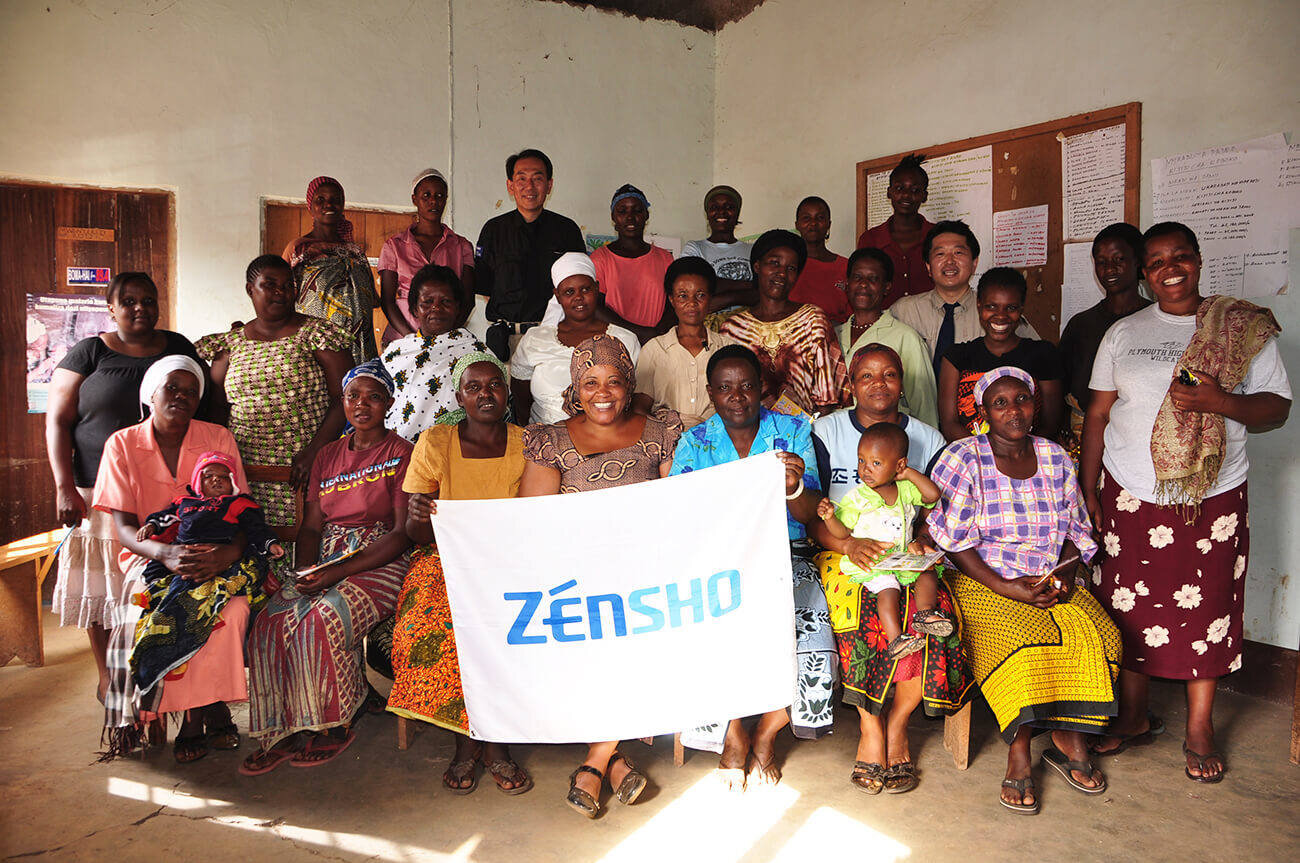
Tanzania has been practicing fair trade in coffee since 2009.
In the coffee-producing region at the foot of Mount Kilimanjaro, high birth and death rates were at the root of the problems surrounding mothers and their babies.
The mother...
Due to unsanitary birthing conditions, mothers often die without ever hearing their newborn baby's cry or seeing its face.
Having given birth repeatedly, and being overwhelmed with housework, work, and childcare, it's impossible to give love to all of children.
The baby...
In unsanitary environments, they contract infectious diseases and are unable to grow up healthy, often dying before reaching the age of five.
In a home where the warmth of a mother has been lost, they must live with loneliness and sadness.
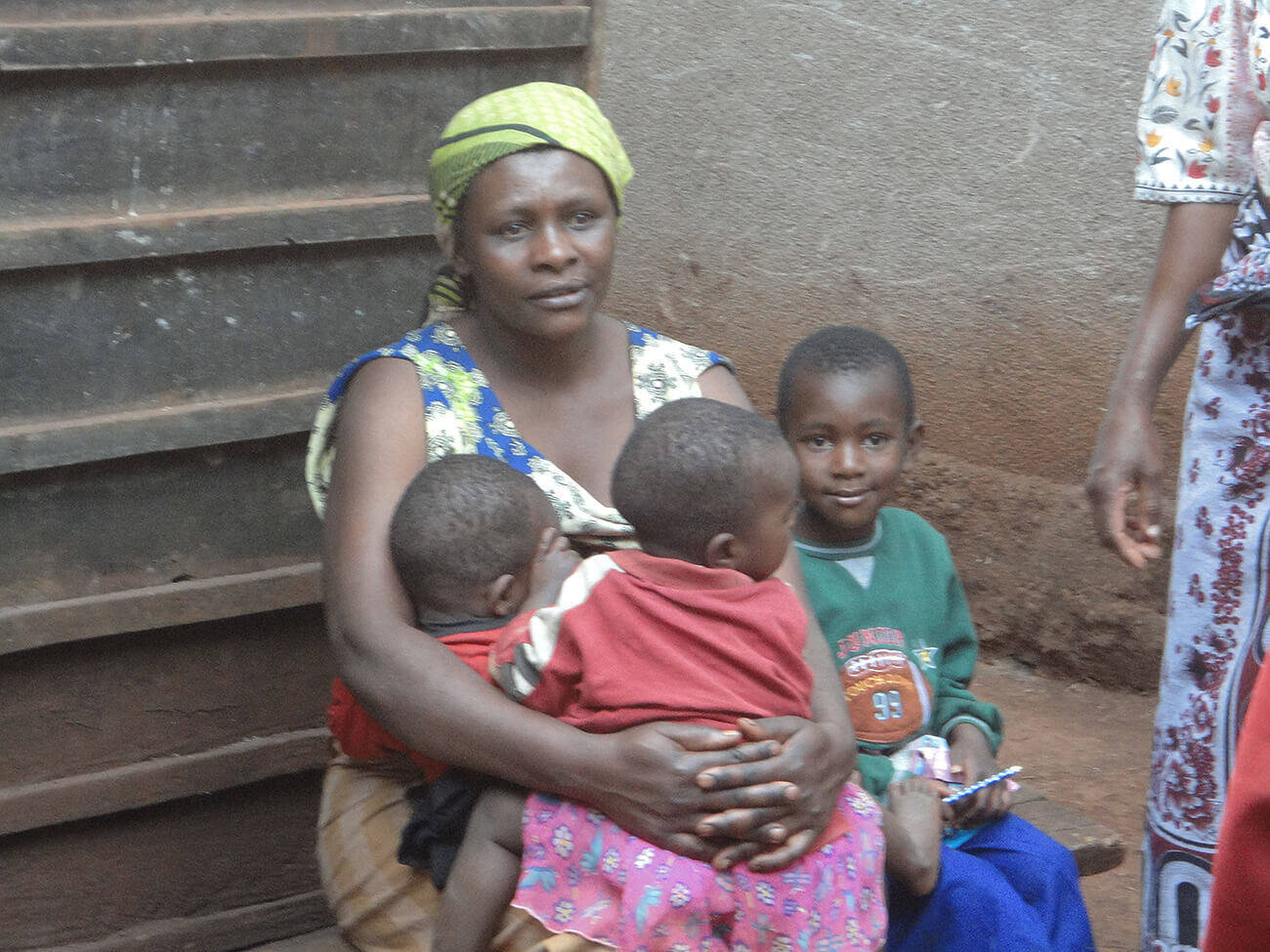
In this region, having many children (high birth rates) was considered an investment in the future, and it was believed that the more children that survived, the more prosperous the parents' lives would become.
However, what the children actually faced was the reality of their fields being divided with each generation, their income continuously decreasing, and a vicious cycle of poverty worsening due to their inability to receive secondary or higher education.
After visiting the site and witnessing the reality firsthand, Zensho proposed to the coffee producers' cooperative that they use social development costs generated through fair trade * to implement initiatives aimed at reducing maternal and child mortality rates in order to solve this problem.
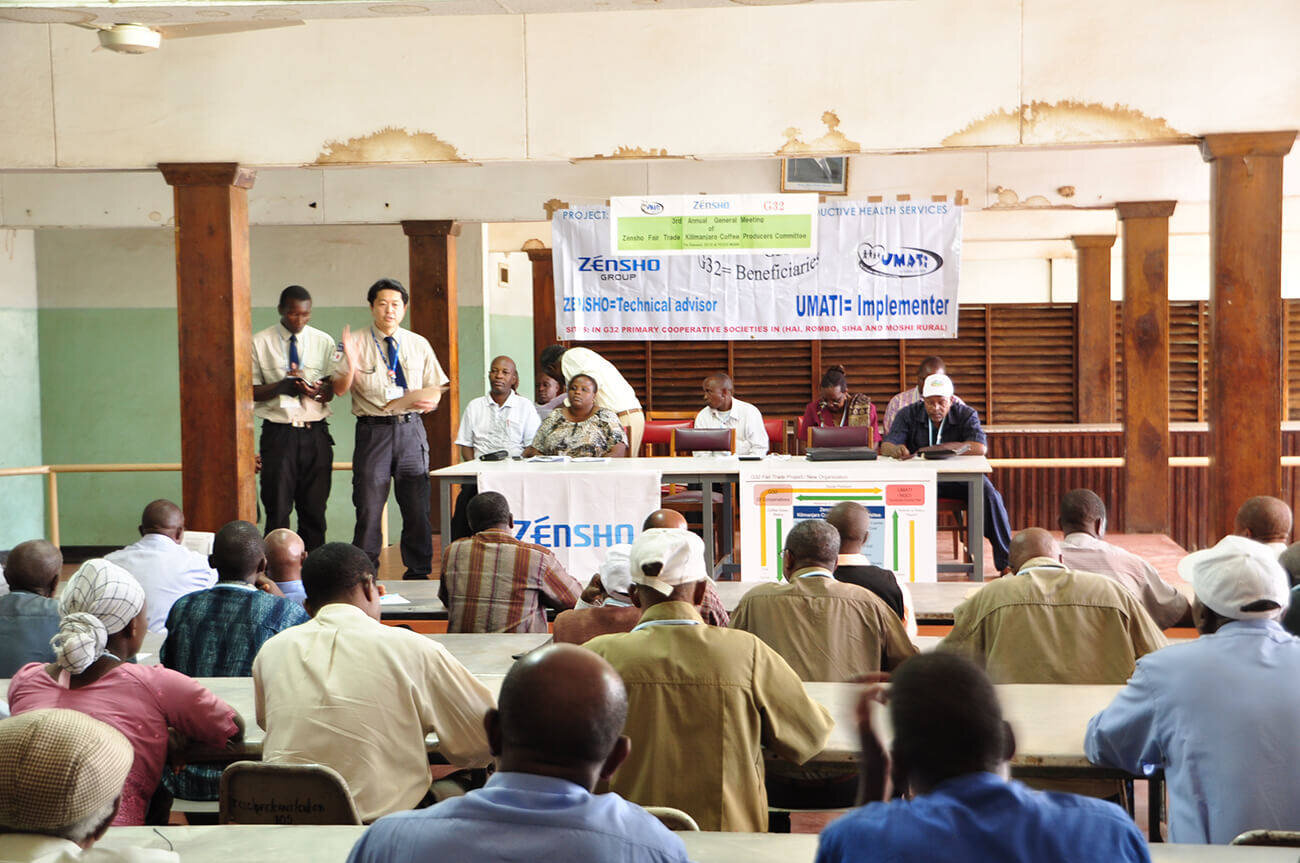
However, within Tanzania's long-standing male-dominated social structure, there was a surge of opposition to initiatives that did not directly benefit men. Zensho held numerous discussions with the producers' cooperative, repeatedly explaining that "the healthy growth of children who will lead the next generation" is essential for the growth and independence of the local community, and was able to gain the agreement of the male members as well.
Then, in 2010, we partnered with a local medical NPO to launch the "Maternal and Child Health Program," which resulted in the training of 18 hygiene instructors.
These hygiene instructors, working in pairs of men and women, regularly visit the homes of pregnant women. They provide guidance on childbirth, childcare methods, and family planning to couples welcoming a new family member, and also support the family's health. The activities of these hygiene instructors not only benefit mothers and babies but also have a positive impact on the health of the entire family, and have now gained favor even from men who were opposed when the idea was first proposed.
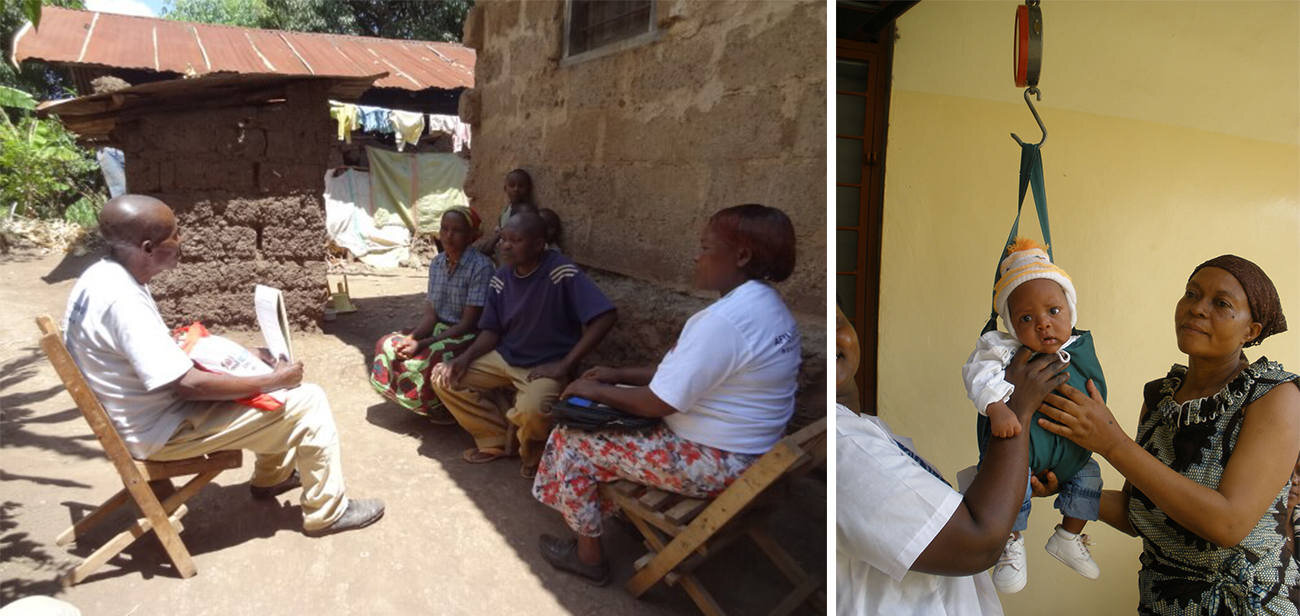
By the end of 2012, the number of hygiene instructors had reached 120, and maternal and child mortality rates had decreased significantly in the areas where they worked. In 2017, in collaboration with the Tanzanian Ministry of Health, which had learned of the hygiene instructors' work, those with more than three years of experience as hygiene instructors were appointed to work as government-managed hygiene instructors.
By 2019, the number of hygiene instructors trained through this program had reached 213, and they continue to visit homes at the foot of Mount Kilimanjaro, working to create brighter and more prosperous families.
Share this article


![We will continue to weave together the culture of the Lenka people [Honduras]](/jp/action/resource/img_250609_fairtrade_01.jpg)