Next article
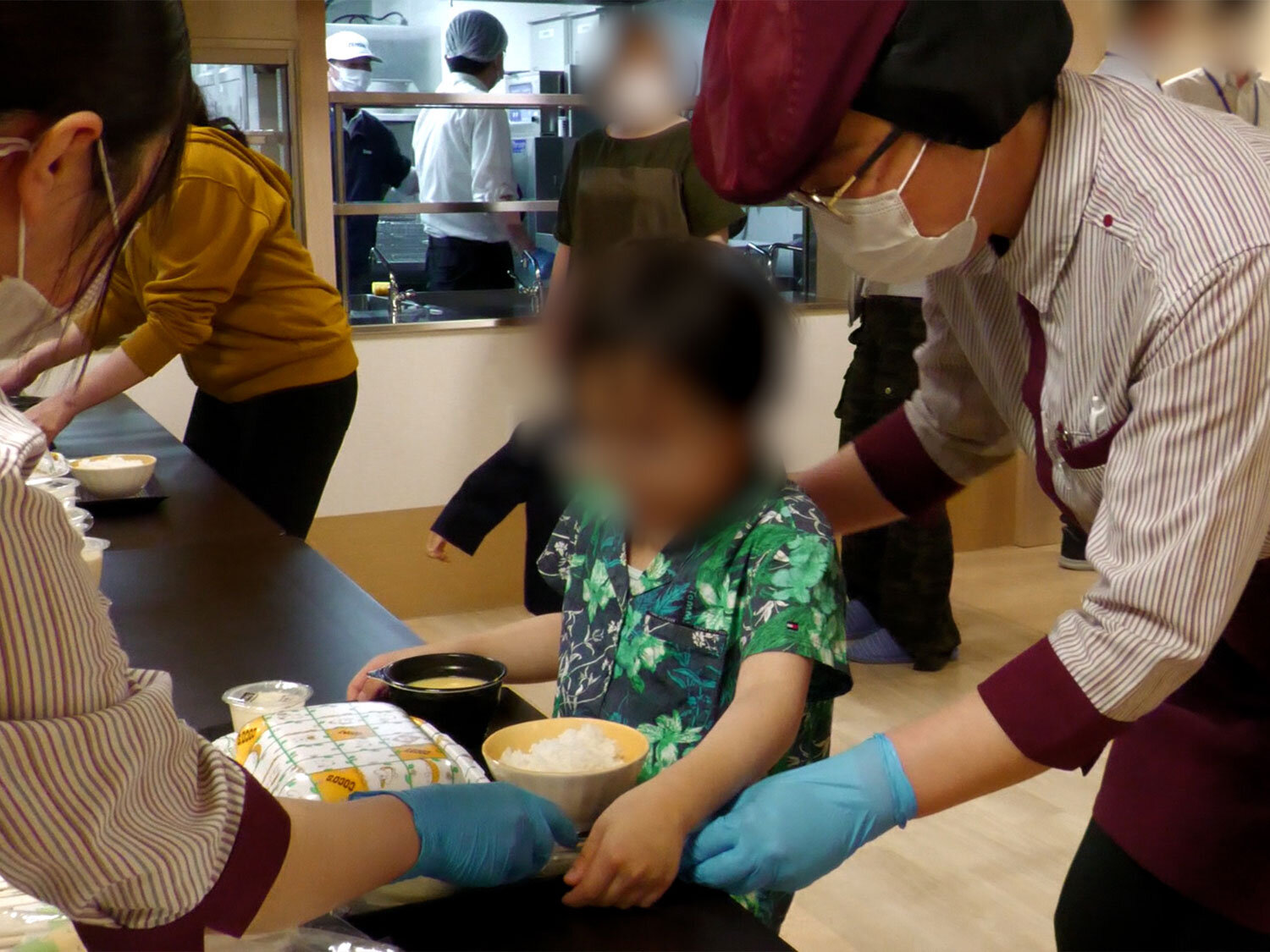
Coco's provided meals at a local community restaurant.
![We will continue to weave together the culture of the Lenka people [Honduras]](/jp/action/resource/img_250609_fairtrade_01.jpg)
In March 2026, members of the Fair Trade Department visited coffee producers in Honduras.
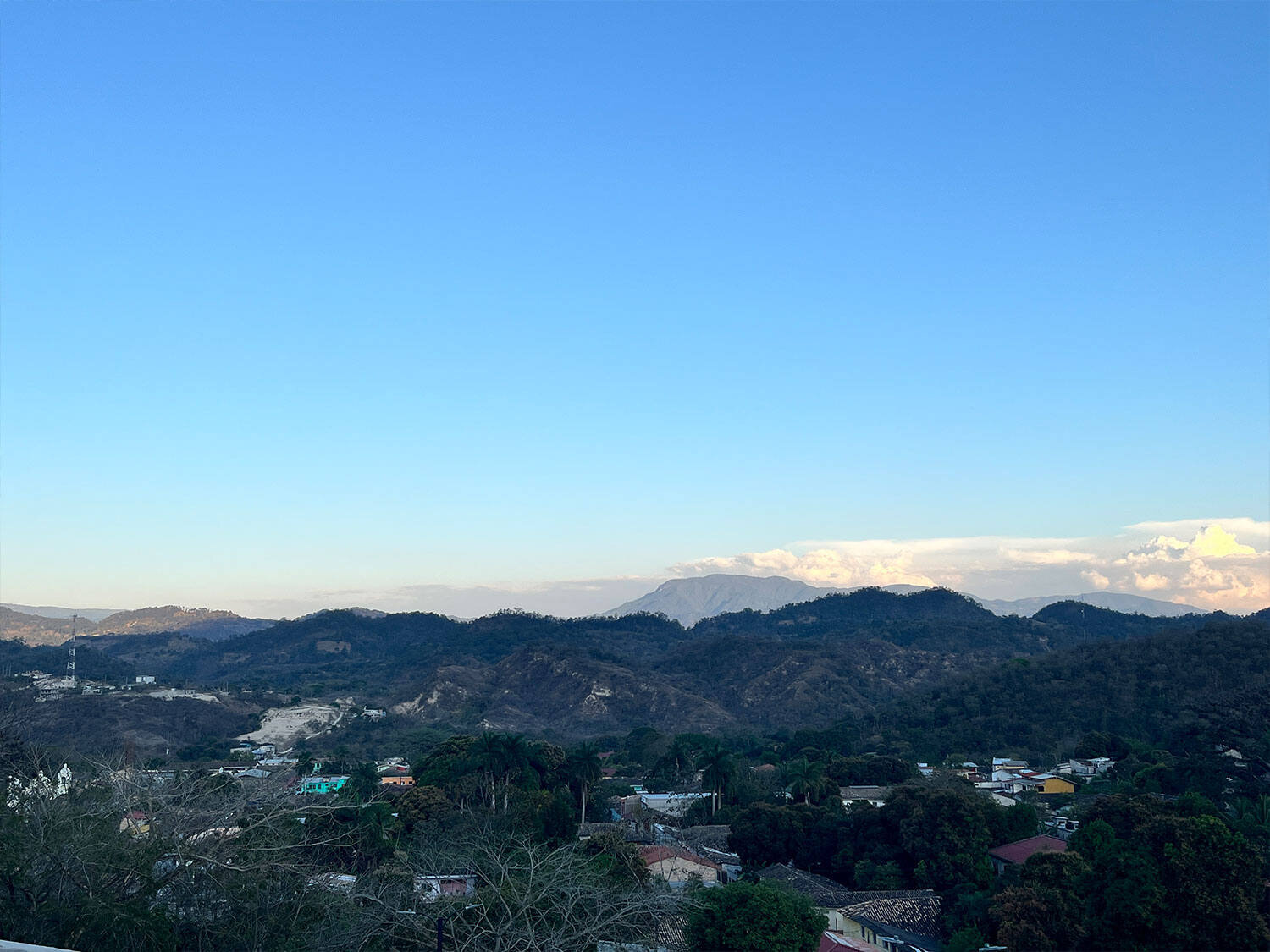
Located in western Honduras, the Lempira Department is surrounded by majestic mountains and is a region where diverse history and culture still thrive.
This region is known as the place where the indigenous Lenca people once built their own unique culture. The name of the province, "Lempira," comes from the name of a Lenca hero who stood up against the Spanish conquest in the 16th century, and his story is still recounted as a source of pride for the people of Honduras.
The Lenka people have cultivated a culture that values harmony with nature, engaging in agriculture and handicrafts, and cherishing the connections among villagers. This way of life was passed down as a unique culture rooted in the region, but a long history of colonial rule and oppression caused most of the Lenka culture to be lost.
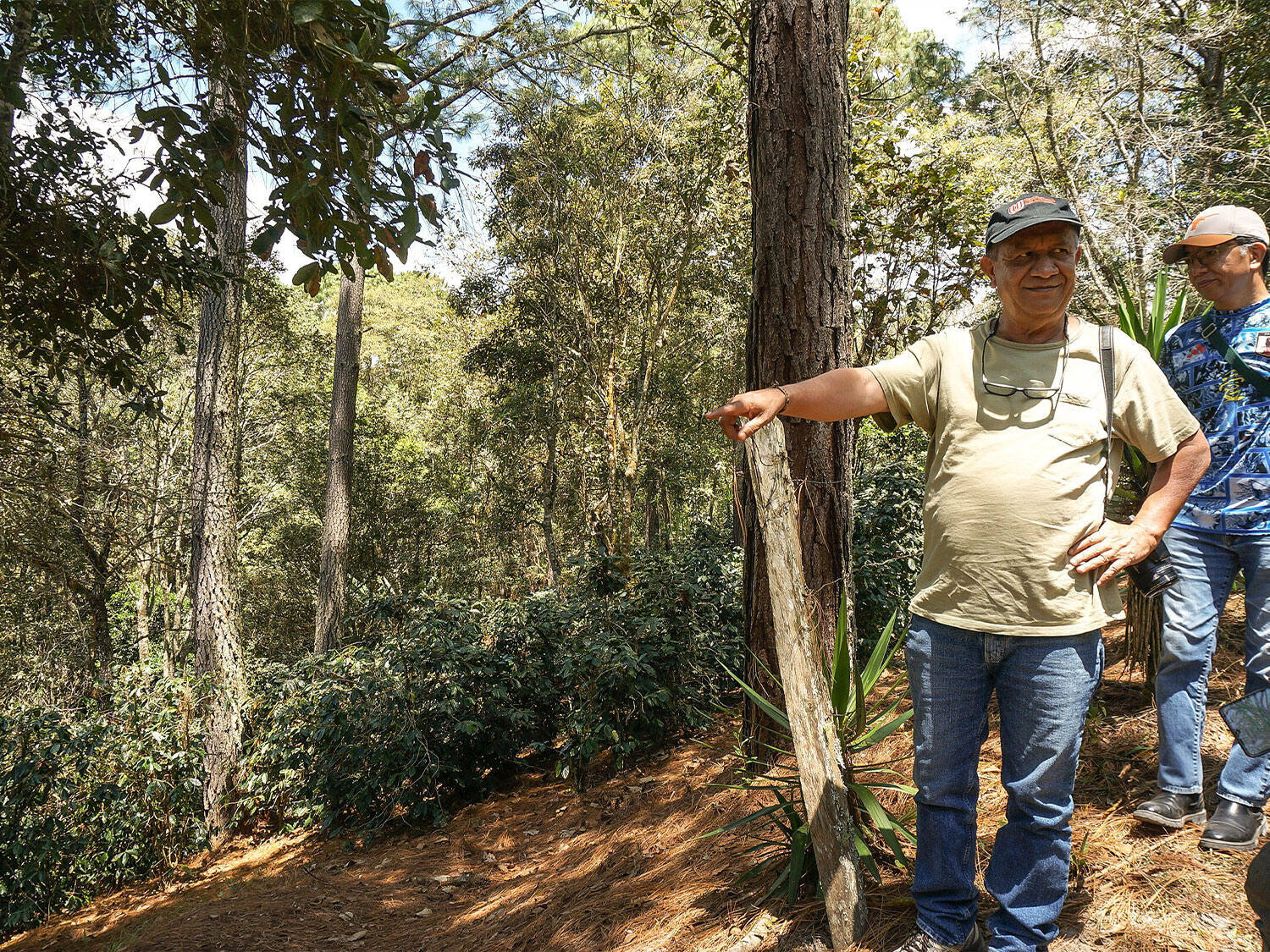
In the latter half of the 20th century, the Green Revolution led to the widespread use of pesticides and chemical fertilizers, and the traditional farming methods that the Lenka people had passed down through generations of coffee producers gradually disappeared. The shift to agriculture that prioritized efficiency brought about a temporary increase in production, but it also caused problems such as soil degradation and health problems for the producers themselves. Furthermore, in recent years, the Lenka people have faced many trials over the years, such as the suppression of protest movements by the Lenka people against corporate forest development and other projects aimed at protecting their livelihoods. Even today, government corruption and institutional instability are hindering rural development, and climate change and rising prices are exacerbating the situation, making life even more difficult for coffee producers.
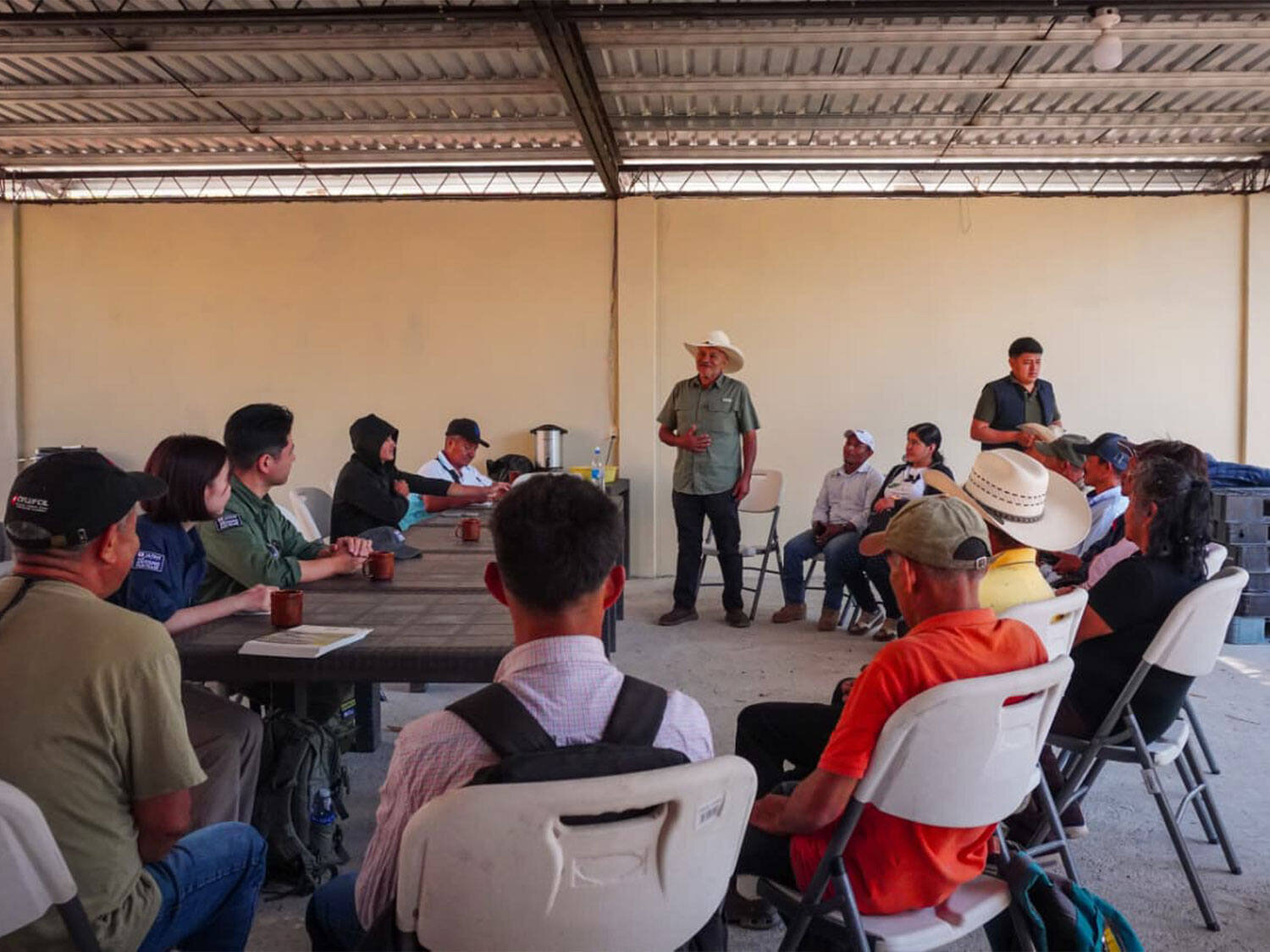
The coffee producers working with Zensho are a group of people united by a strong desire to revive the Lenka culture, which is in danger of disappearing. By continuing to cultivate coffee using traditional farming methods on land passed down through generations, they are striving to re-establish the spirit and culture of the Lenka people in this land. They are also dedicated to spreading its value throughout the community. By learning from and supporting one another under the shared identity of "Lenka people," they are working to pass on a future where Lenka culture thrives to the next generation.
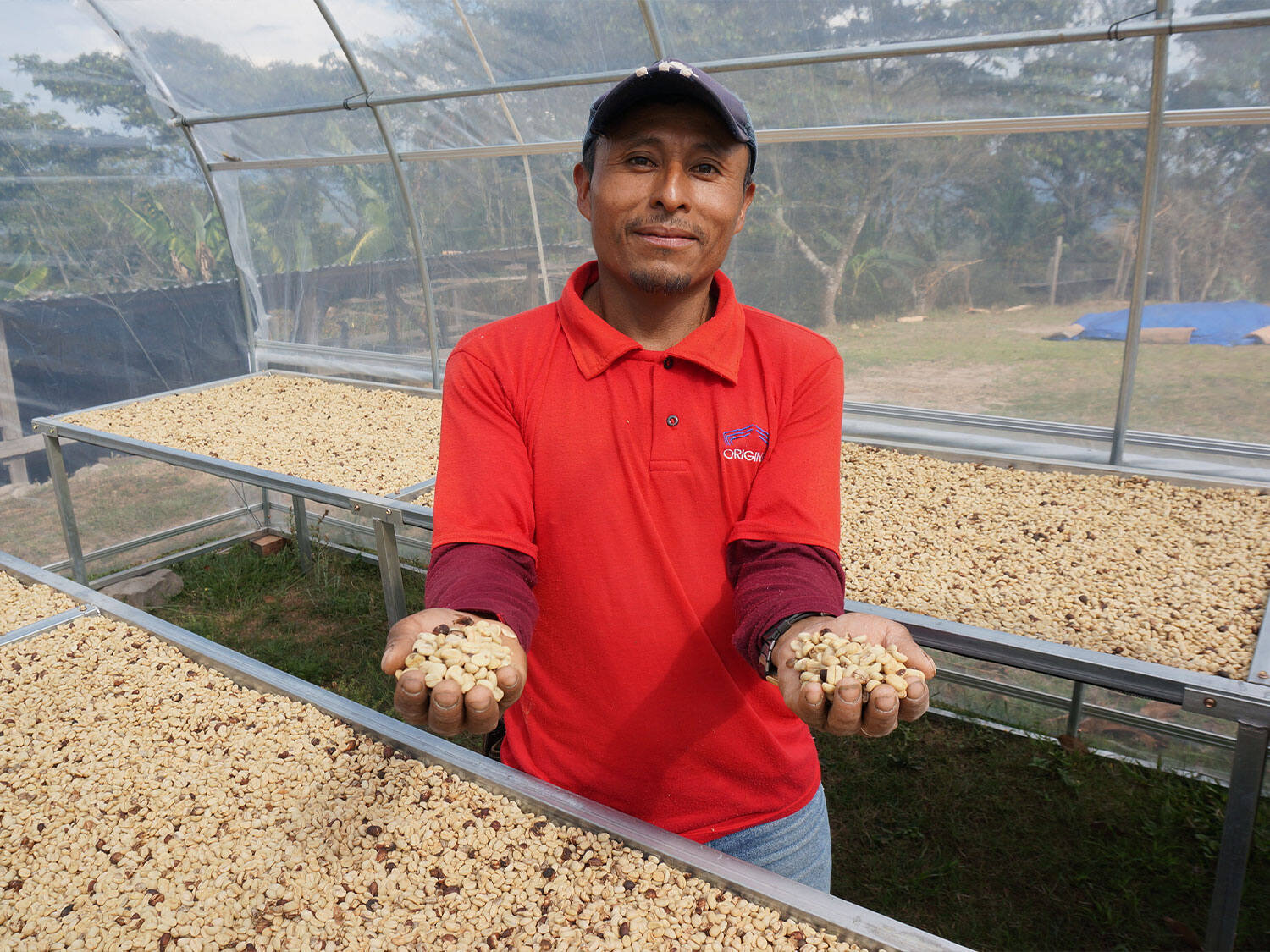
Zensho deeply empathized with the aspirations of these coffee producers and launched its fair trade initiative. In 2025, coffee from producers in Lempira Province was exported to Japan for the first time, delivering coffee that embodies the culture and pride of the Lenka people to Japanese consumers. Through coffee, people's feelings were connected, and it became a significant step towards cultural revitalization.
The producers commented, "We are truly grateful that our business relationship with Zensho has created a connection with Japan and opened the door for us to bring our coffee to the market. I myself am very happy about this initiative, and my colleagues feel the same way about the value of doing business with Zensho. We are confident that we can continue to build a lasting relationship and grow together in the future."
During this visit, I was strongly impressed by the high level of commitment to fair trade initiatives and the growing sense of solidarity among producers. It was clear that by working together, the local people are not only reviving the Lenka culture but also creating a cycle that supports the development of local life and the economy.
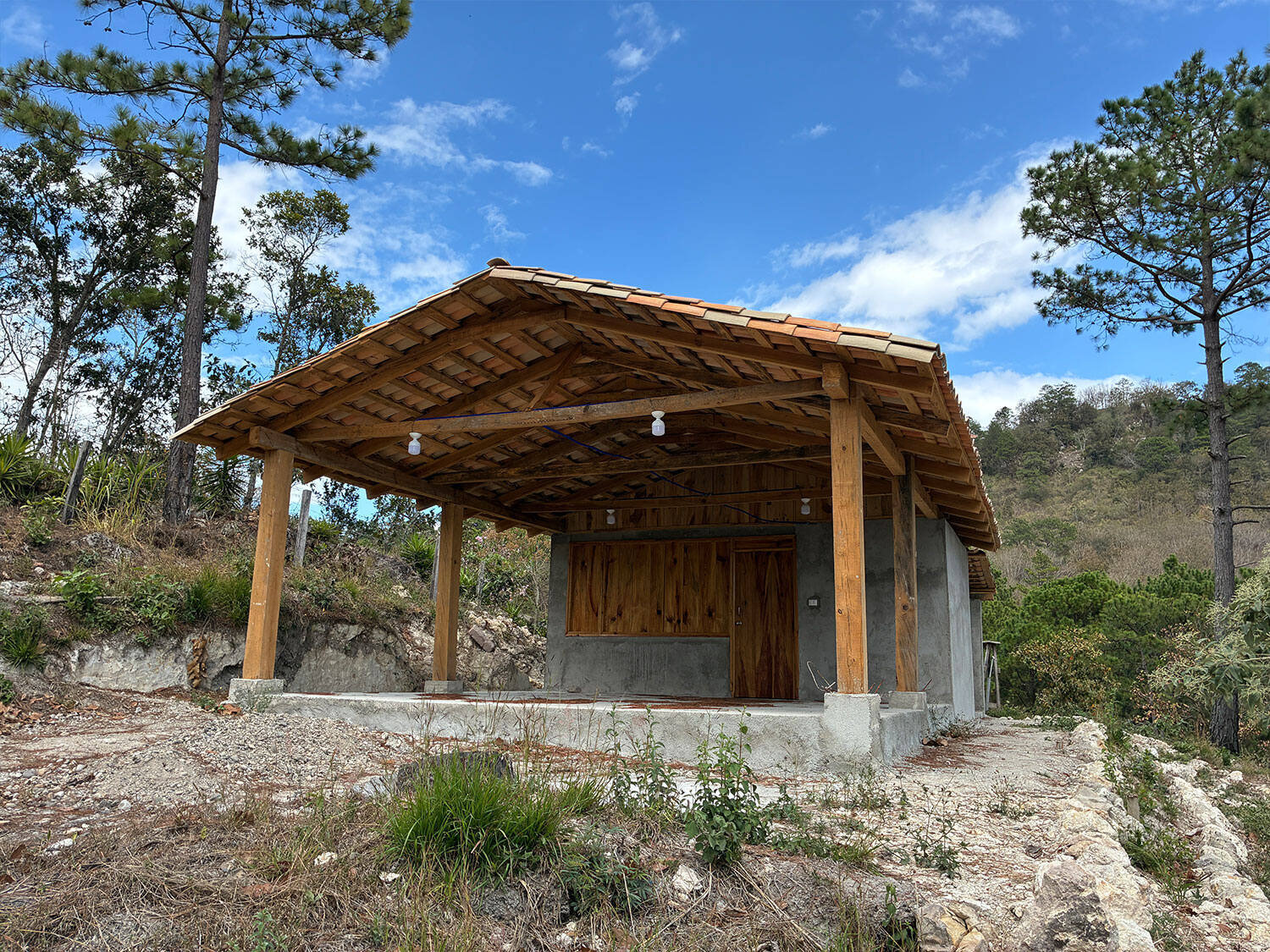
Going forward, we plan to use social development costs to proceed with the construction of a community center. This facility is intended to serve as a base for local people to learn about and share Lenka culture, as well as a central hub for coffee producers to gather and expand their activities.
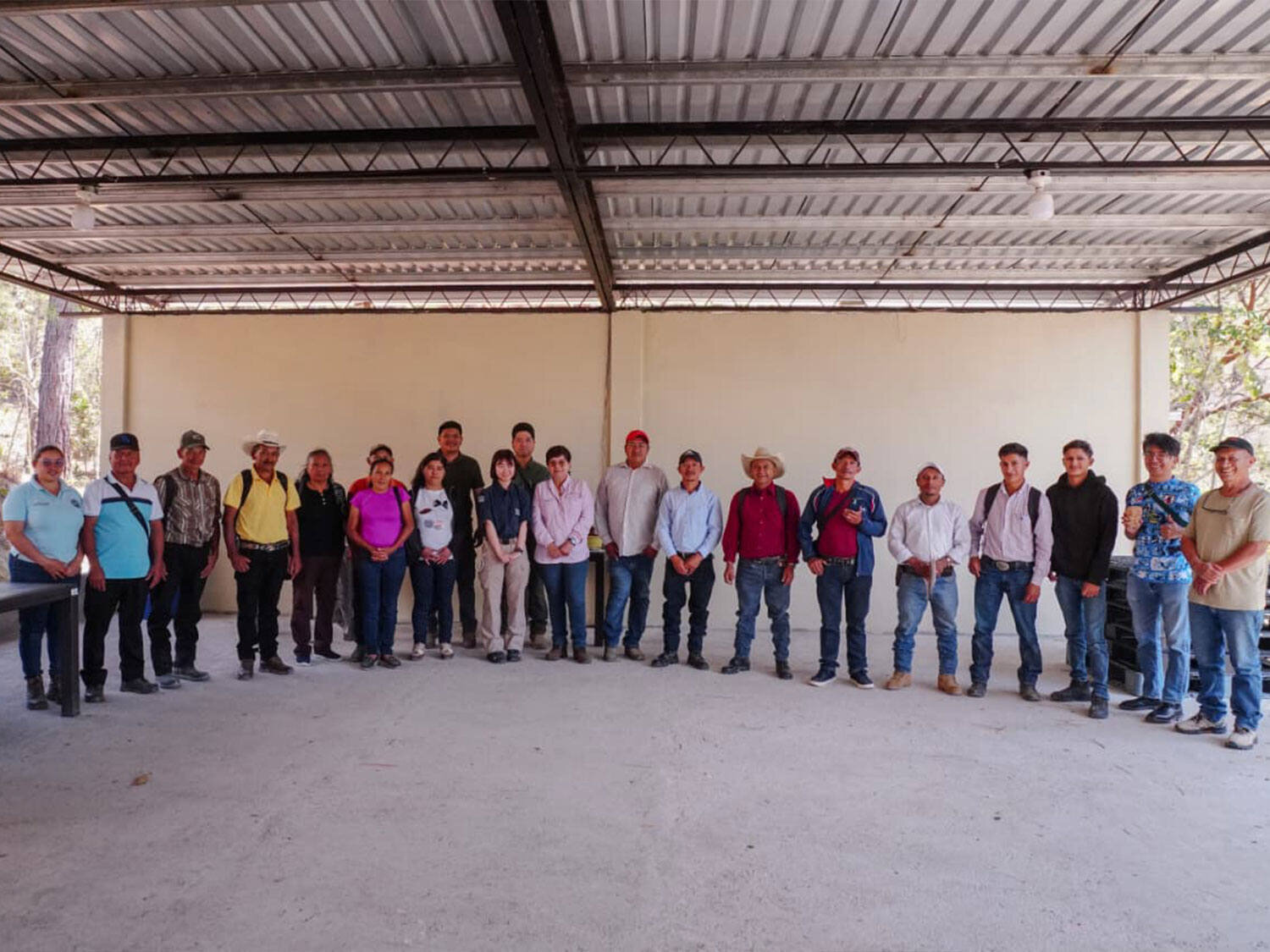
Zensho will continue to work with coffee producers in Lempira province, fostering a new form of Lenka culture that is passed down through generations while learning from each other. Furthermore, by deepening the connection between them and Japanese consumers, we will build a relationship in which we support each other's future.
Tags
Share this article


![Organic farming protects the land and the livelihoods of producers [Mexico]](/jp/action/resource/1.jpg)