Next article
We will continue to weave together the culture of the Lenka people [Honduras]
![Aiming for fair trade that gives women's voices a chance to shine [Burundi]](/jp/action/resource/img_260528_fairtrade_01.jpg)
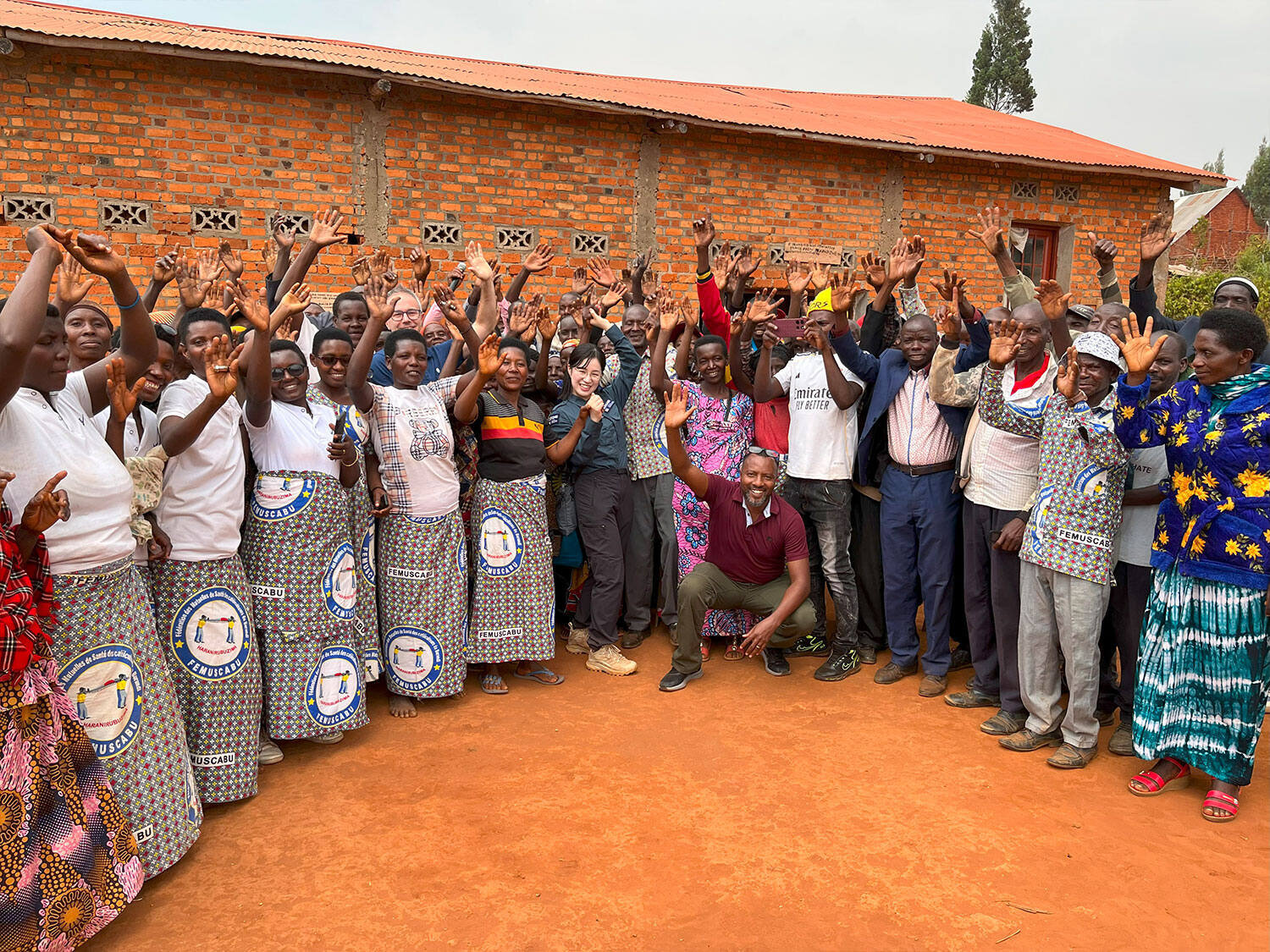
In August 2025, members of the Fair Trade Department visited coffee producers in Burundi.
Located inland in East Africa, Burundi is one of the poorest countries in the world, with many citizens living on less than $3 a day. The ethnic conflict between the Tutsi and Hutu, which has persisted since the colonial era, is deeply rooted, and in the 1990s, a civil war broke out following the assassination of the president. The civil war, which continued until the 2000s, resulted in many casualties, and Burundi's long period of isolation from the international community has hindered economic growth due to limited trade and investment opportunities.
This slow pace of economic development also impacts the lives of farmers living in areas far from urban centers, making their livelihoods and incomes unstable. Furthermore, a male-dominated social structure persists, with men predominantly owning land and livestock. Women, in particular, have limited opportunities to obtain new income and find it difficult to become economically independent.
Since 2013, Zensho has been working with a coffee producers' cooperative in the northeastern border region on a fair trade initiative. The goal is to help producers, primarily women who lost their husbands in the civil war, achieve economic and social independence. During this visit, we reviewed the progress of the social development activities we have undertaken so far and exchanged ideas with the producers about future initiatives.
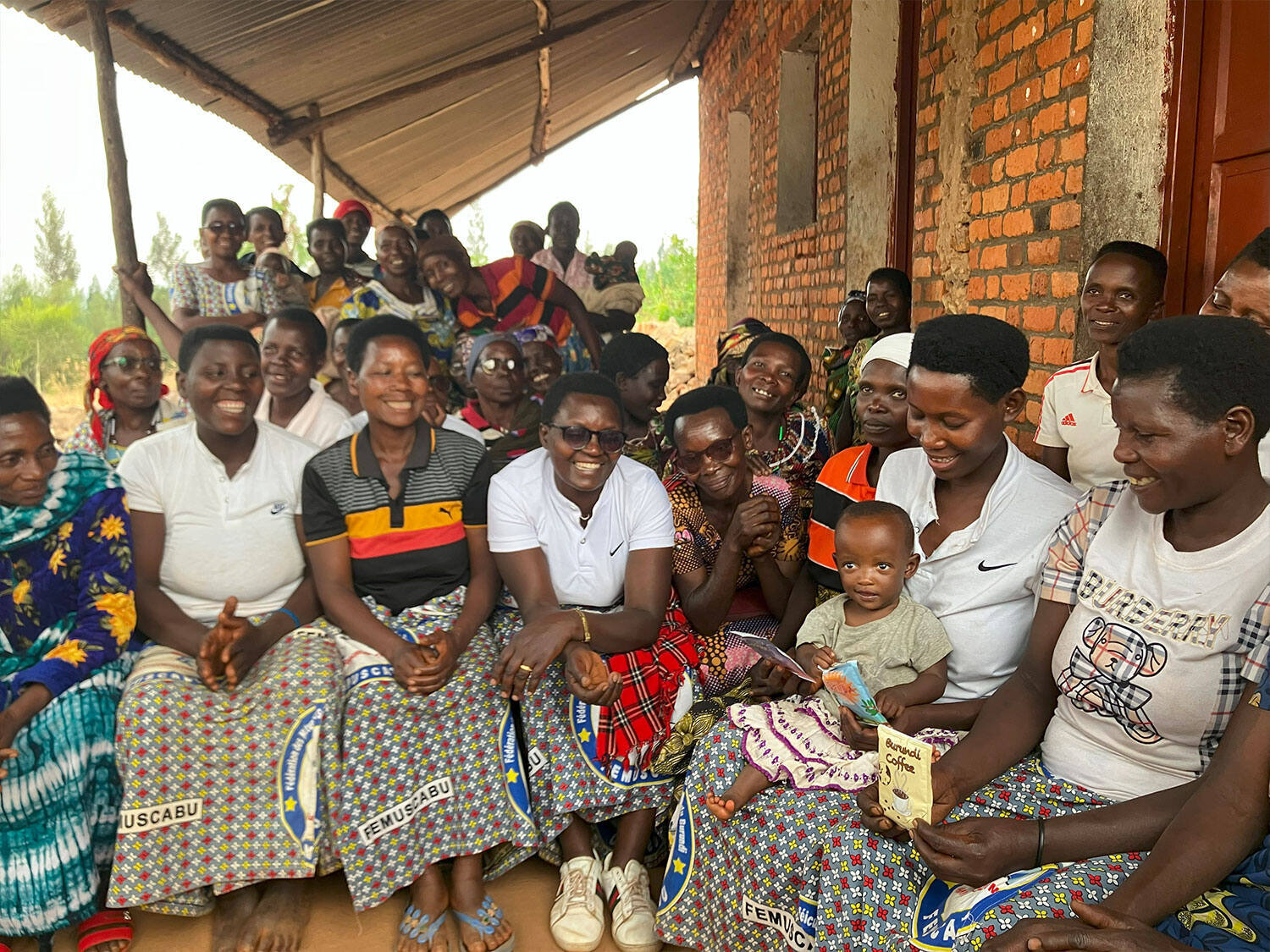
At each location we visited, we first received many warm expressions of gratitude from the producers to those who drink coffee in Japan. When the Fair Trade team members showed photos of how their coffee is sold in Japan, one female producer exclaimed, "It makes me so happy to know that our coffee is actually being sold in far-off Japan as 'from Burundi'!" Her surprised and joyful reaction brought smiles to everyone's faces.
Until now, producers have had limited opportunities to know where and how their coffee is being consumed. Therefore, seeing how their coffee is sold in Japan and feeling the presence of consumers firsthand seems to have given them a sense of confidence and pride in their daily coffee production.
Furthermore, we received expressions of gratitude for Zensho 's continued purchase of coffee, suggesting that this long-term commitment creates a sense of security and fosters a positive attitude towards the next harvest.
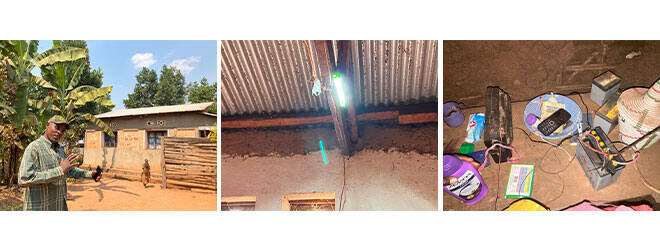
Next, we reviewed the status of the social development activities we have carried out so far. Of the solar power generation equipment (solar panels, light bulbs, and storage batteries) installed in 2020-2021, some households are still using them, while others have found that they are no longer usable due to malfunctions. Now, approximately five years after installation, new challenges are beginning to emerge in continuing our activities. When we actually visited the homes of several producers, we were reminded once again that they are still living in difficult economic circumstances. In addition to the difficulty of repairing the power generation equipment for households that are not financially well-off, it also became clear that the habit of regular inspections and repairs has not yet taken root. We would like to consider how to address these challenges in our future efforts.
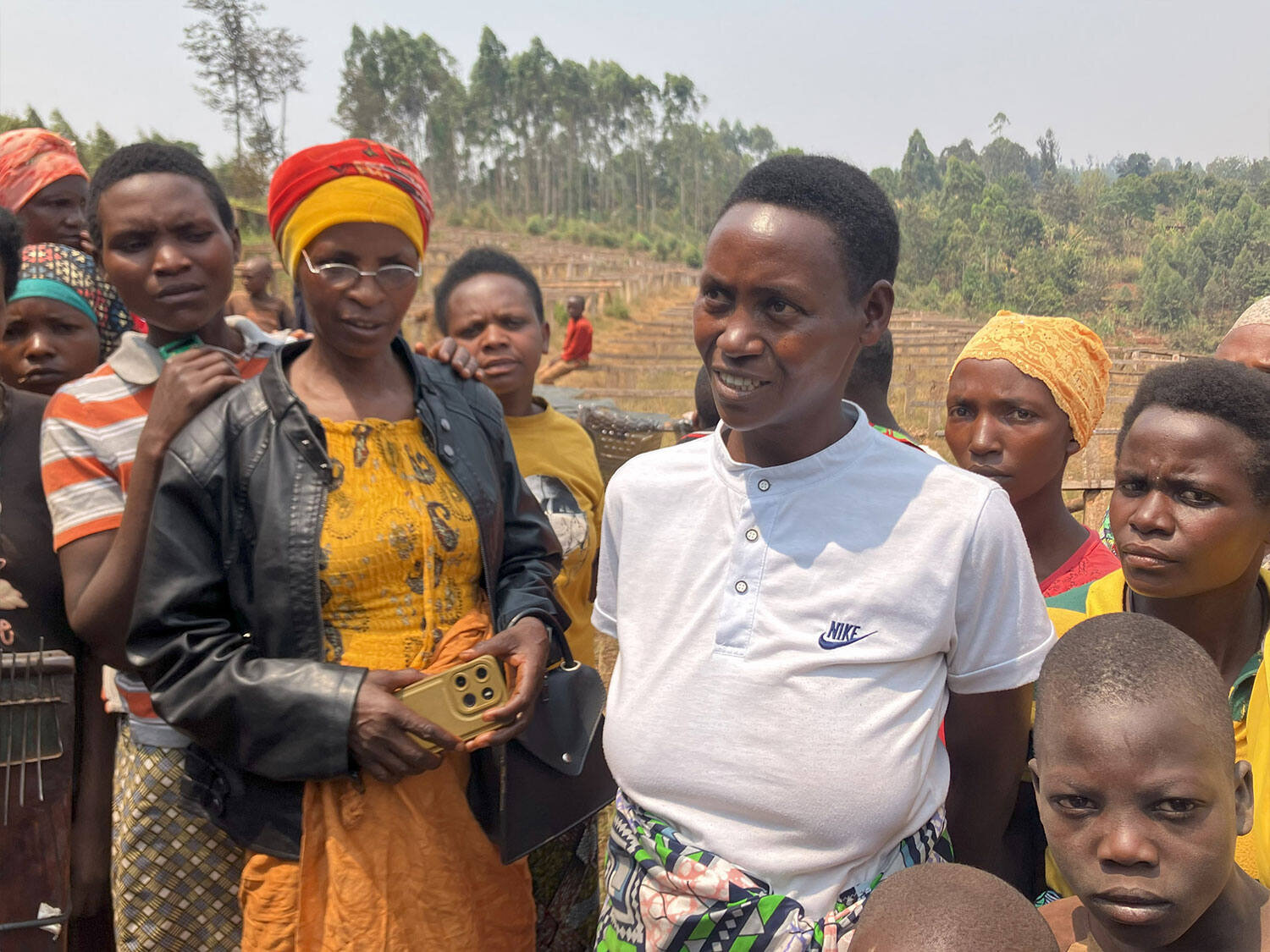
In addition, during discussions about future initiatives, a common challenge cited by multiple producers was the shortage of organic fertilizer, which is essential for coffee production. Furthermore, many opinions were exchanged regarding the necessity of livestock such as goats and rabbits as a way to balance a self-sufficient lifestyle with coffee production.
Many female producers, in particular, expressed a heartfelt desire to own livestock that they could manage and raise themselves, rather than relying on their husbands' ownership. They shared the sentiment that owning their own livestock would broaden their income options and lead to economic and social independence.
Burundi continues to face political and economic challenges, making life difficult for its people. We will continue to value dialogue with producers, especially women, and work alongside them to ensure that each individual can continue their lives and coffee production with peace of mind.
Share this article


![Organic farming protects the land and the livelihoods of producers [Mexico]](/jp/action/resource/1.jpg)