In June 2026, members of the Fair Trade Department visited coffee producers in Rwanda.
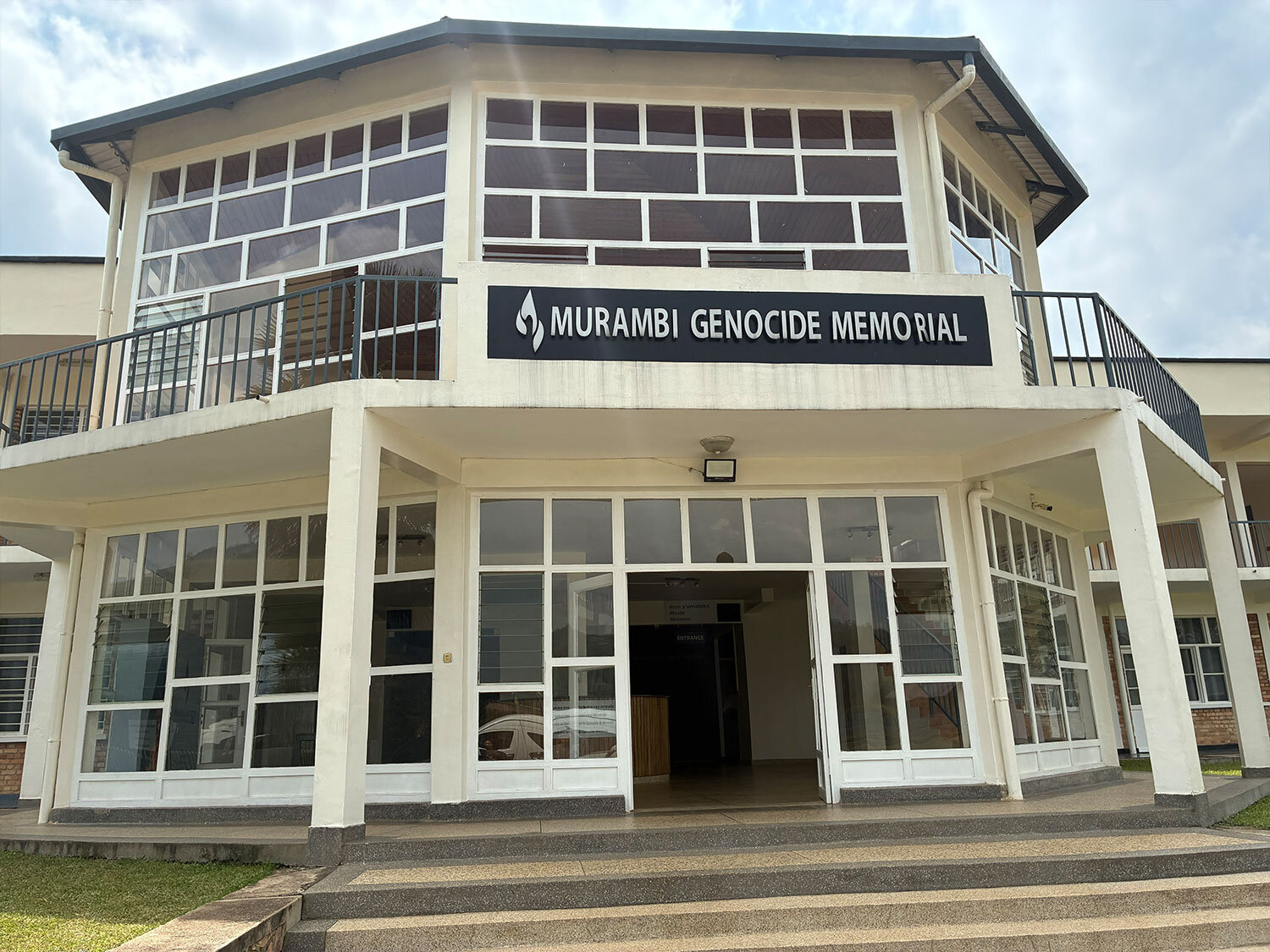
Present-day Rwanda is known as one of the most economically growing countries in Africa, with development centered on the IT industry and tourism. However, this growth is rooted in the tragic history of the 1994 genocide in Rwanda, in which many lives were lost due to ethnic differences.
With the aim of realizing a sustainable society together with the people of Rwanda who have overcome such a past and are moving towards the future, Zensho began a fair trade initiative with local coffee producers in 2011.
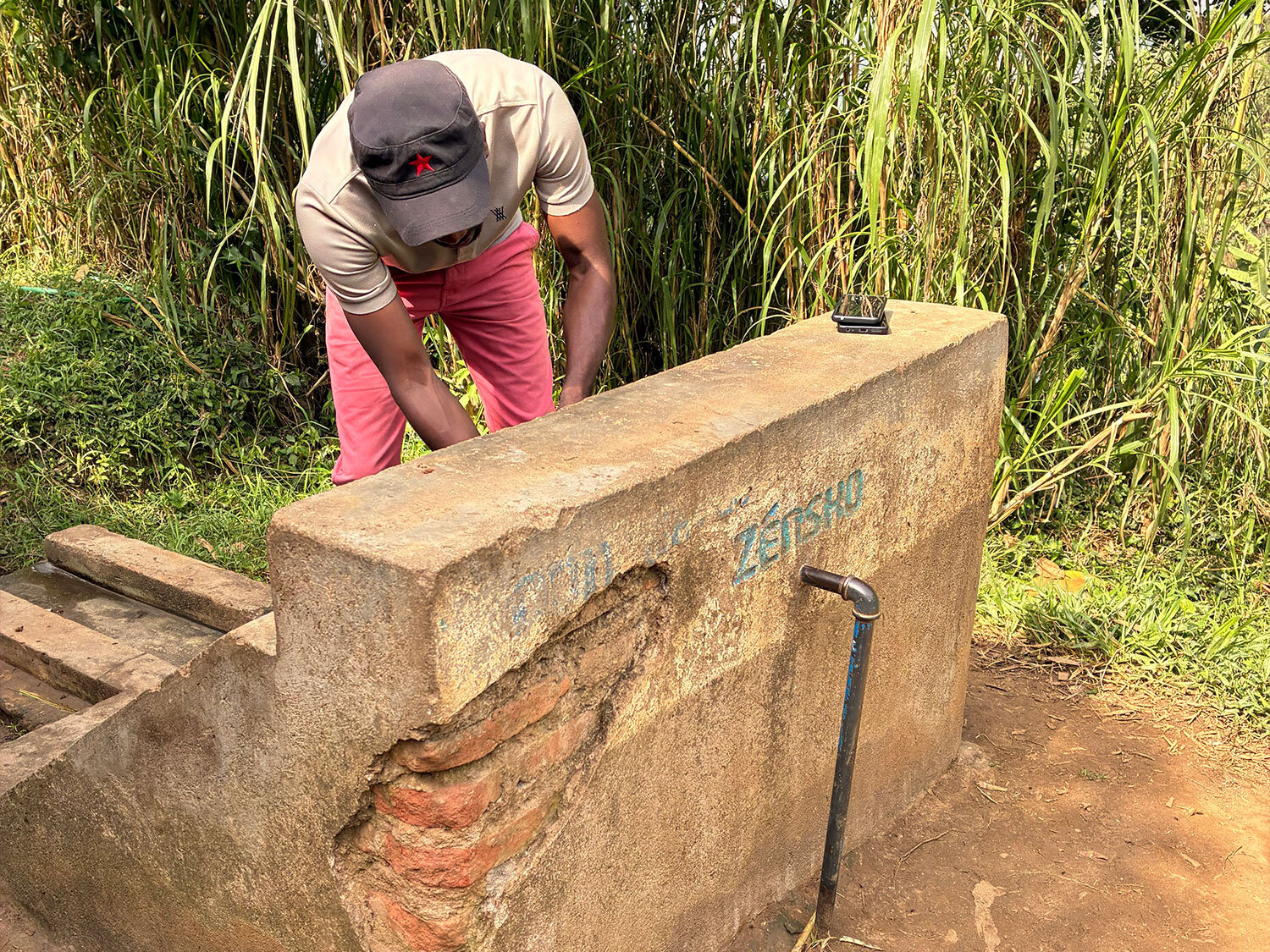
In the Chingwa region of southwestern Rwanda, where we have built relationships since the beginning of our initiative, we inspected the operational status of the water supply facilities that were developed in 2011 using social development costs *.
The facility is still in use, and its maintenance is carried out by local residents. Before this facility was built, people used spring water directly, which apparently led to many cases of infectious diseases. Currently, spring water is used for irrigation, while the water supplied by the facility is for drinking. I realized that access to safe water is a fundamental support for the lives of the local community.
* social development costs: This refers to the portion of the raw material purchase price that is allocated to various life improvement activities needed by local people.
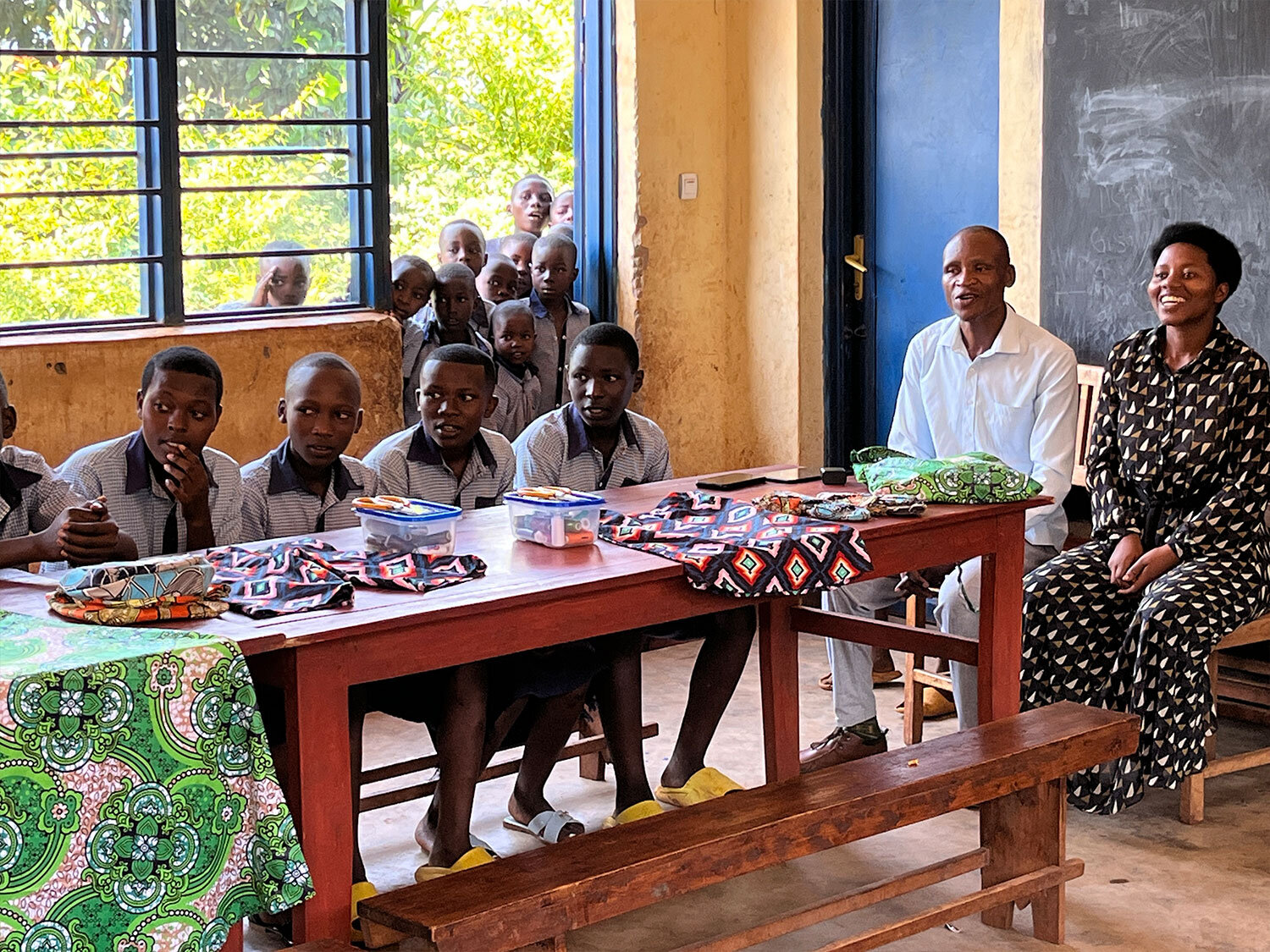
In this region, home economics classes are currently being taught in seven primary schools as part of an initiative utilizing social development costs. During this visit, we observed a class being held at Indatua Primary School and witnessed the children's learning firsthand.
This initiative was started to help children acquire knowledge and skills that are useful in their daily lives.
Initially, only sewing was taught, but thanks to the ingenuity of the local teachers, the curriculum has now expanded to include hygiene management, nutrition, and household finance management, providing a broad learning environment that will be useful for the children's future.
In class, the children gave presentations on various themes. Some of the topics were unique to this region, such as the idea of raising chickens and rabbits as livestock to support family income and livelihood, allowing us to understand the local way of life and values.
The breadth of the curriculum suggests that the initiative has taken root in the community and is developing into practical learning that looks ahead to daily life and the future.
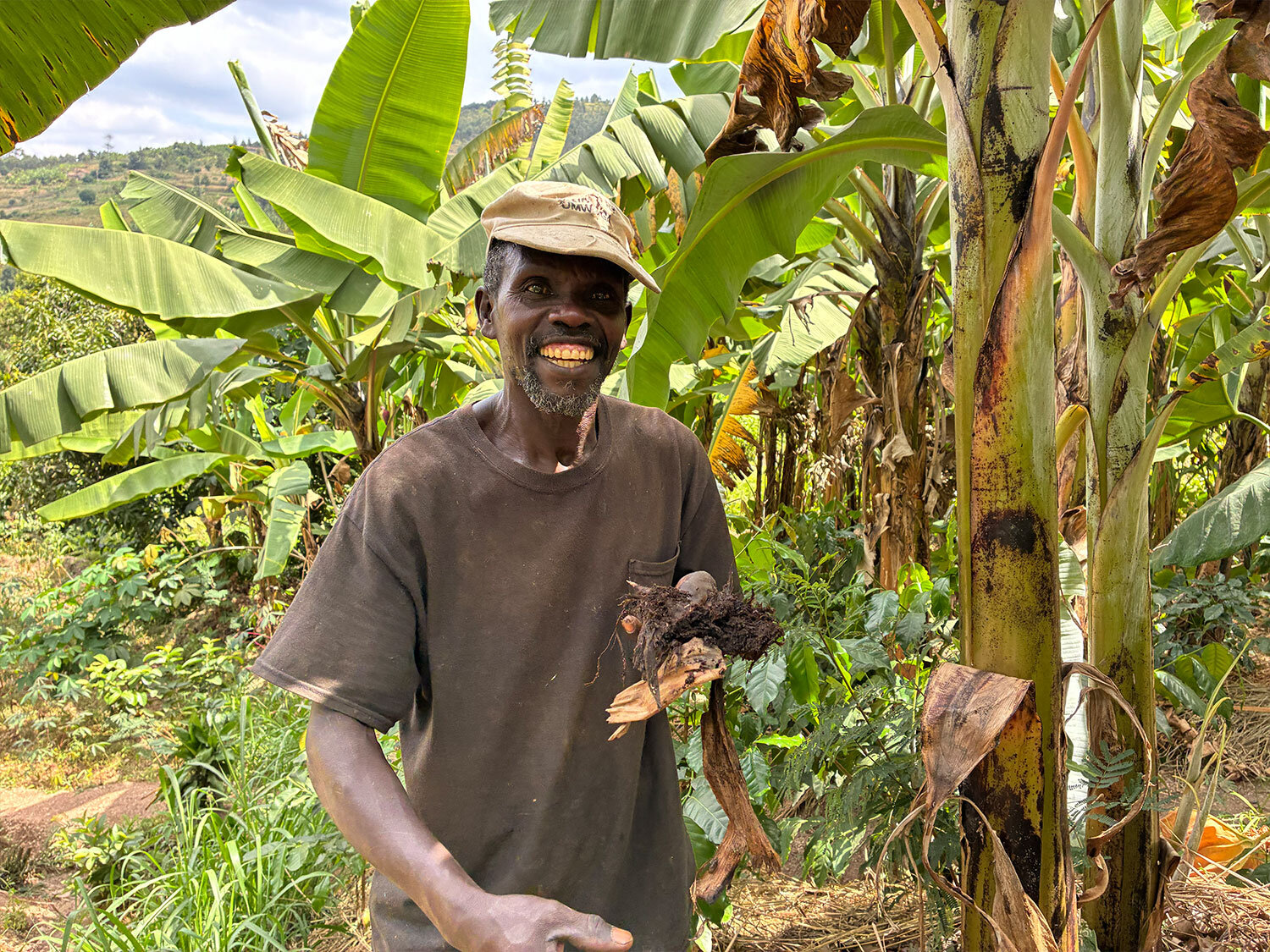
We also visited the Luhango region in the south, where we have been working on new initiatives since 2022, to check on the local coffee cultivation situation and the progress of our efforts.
Upon actually visiting the production area, I discovered that the soil in the Luhango region is significantly different from that of the Chingwa region. The soil is loose and does not retain moisture well, so producers are working to protect the soil from drying out and retain moisture by planting trees and using compost to improve the soil. The producers showed me side by side the white, sandy soil and the soil that has been transformed into a rich, dark color through the use of compost, allowing me to see the visible changes in the production area.
Furthermore, during our visits to local farmers, we heard from them that their cash income had increased thanks to coffee cultivation, and that their lives were gradually improving. Some were also saving money with the goal of renovating their homes in a few years.
Through its fair trade initiatives, Zensho aims to create an environment where local people can confront and solve their own challenges, enabling them to continue developing into the future.
During this visit, we were able to inspect the current situation in the production area and confirm that our previous efforts have taken root in the community and are developing through the ingenuity of the local people.
Zensho will continue to work with coffee producers to promote the sustainable development of local communities through its fair trade initiatives.
![Sustainable initiatives developed in collaboration with the local community [Rwanda]](/jp/action/resource/img_fairtrade_2609_01.jpg)


![Organic farming protects the land and the livelihoods of producers [Mexico]](/jp/action/resource/1.jpg)