![Organic farming protects the land and the livelihoods of producers [Mexico]](/jp/action/resource/1.jpg)
Next article
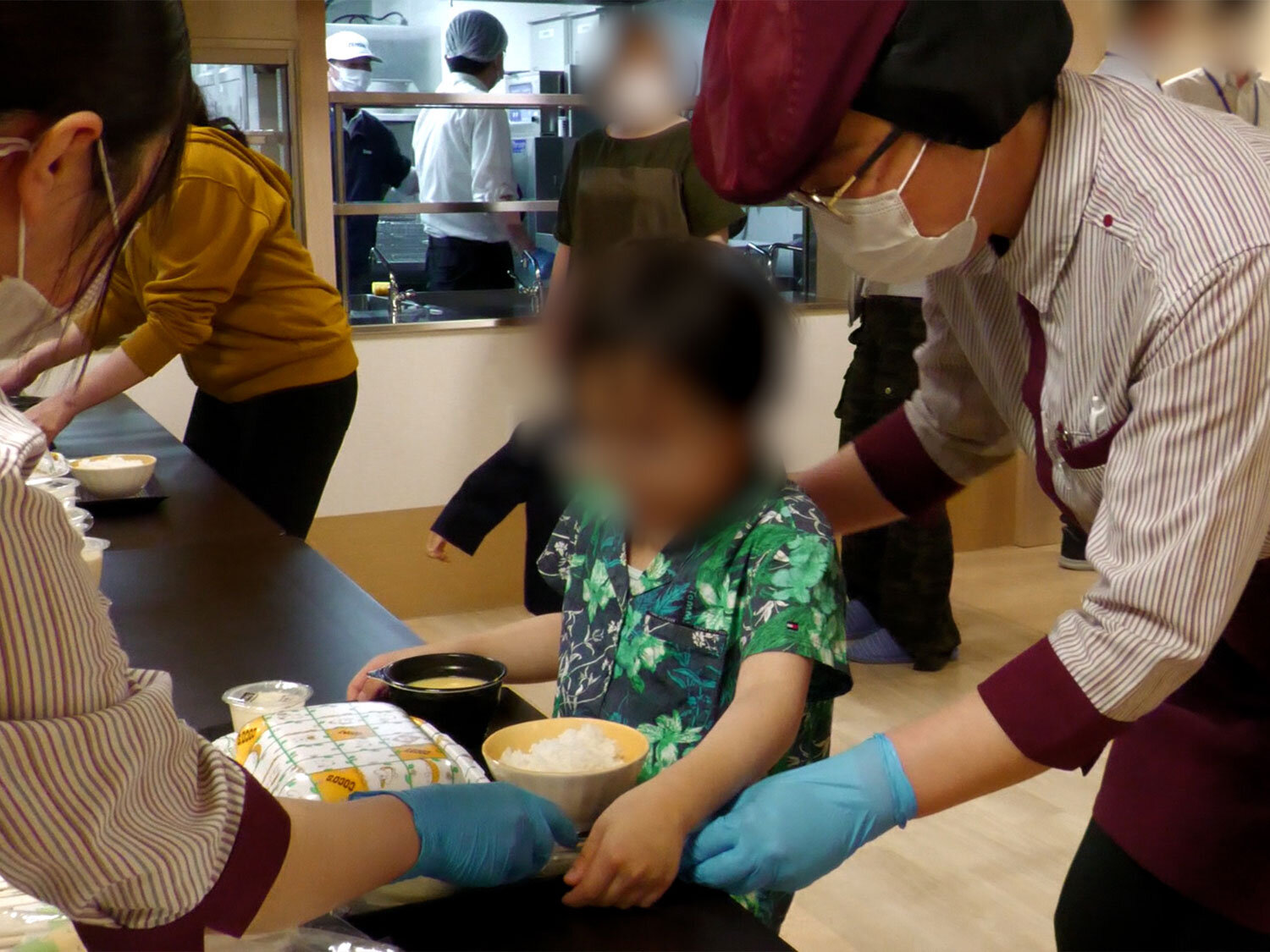
Warm meals provided to children in Tateyama City, Chiba Prefecture, who were affected by the typhoon.
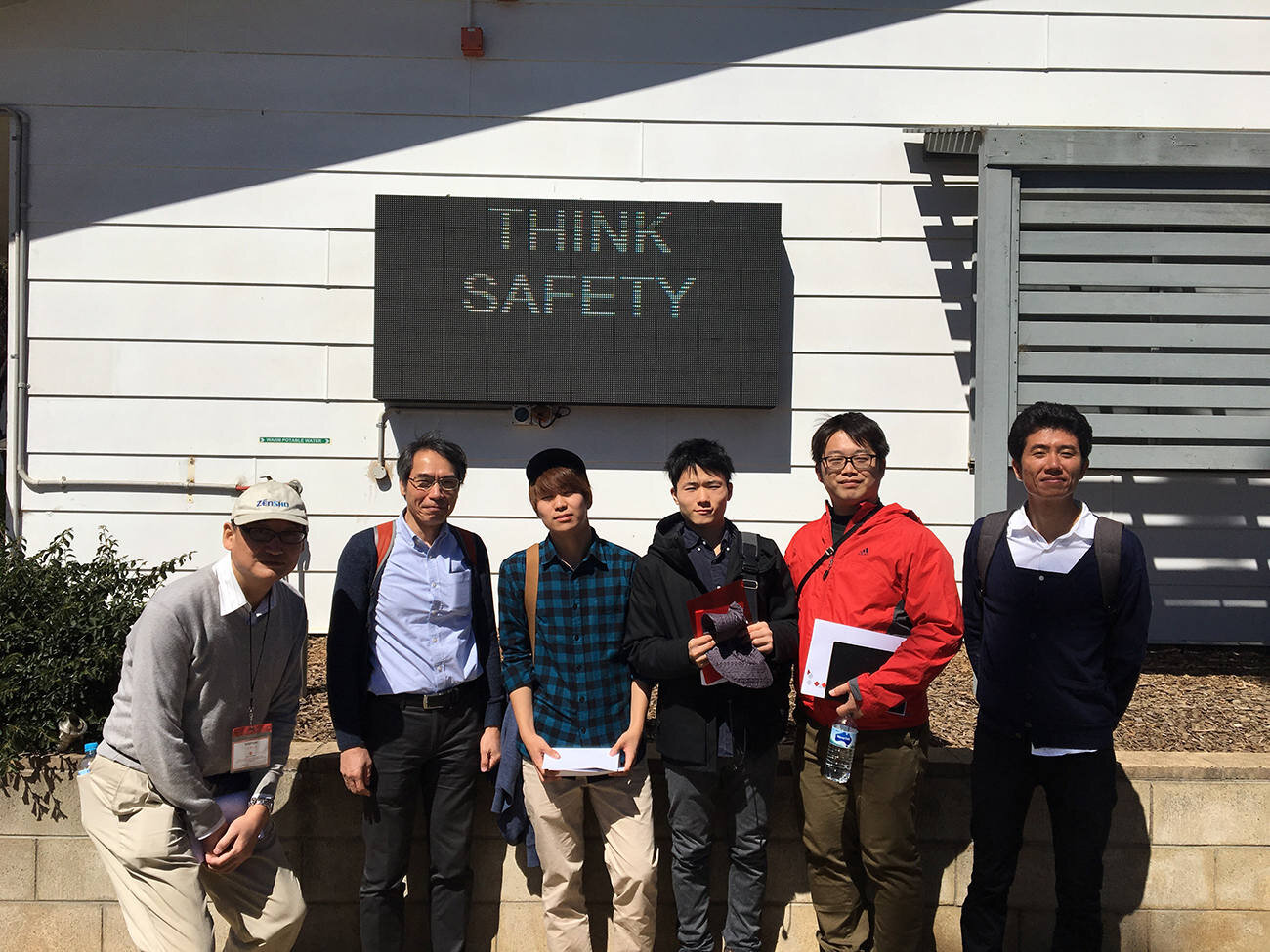
In September 2019, three students and two faculty members from Osaka Prefecture University studying Life and Environmental Sciences (Veterinary Medicine) visited a meat processing plant and a feedlot, also known as a fattening farm, in Australia that supplies beef to our group, with support from a representative of Zensho Holdings' Food Safety Assurance Division.
As part of its educational curriculum aimed at training specialists responsible for food safety and security, Osaka Prefecture University conducts visits and tours of overseas food processing plants and other facilities.
This visit marks the fourth time Zensho has supported this curriculum.
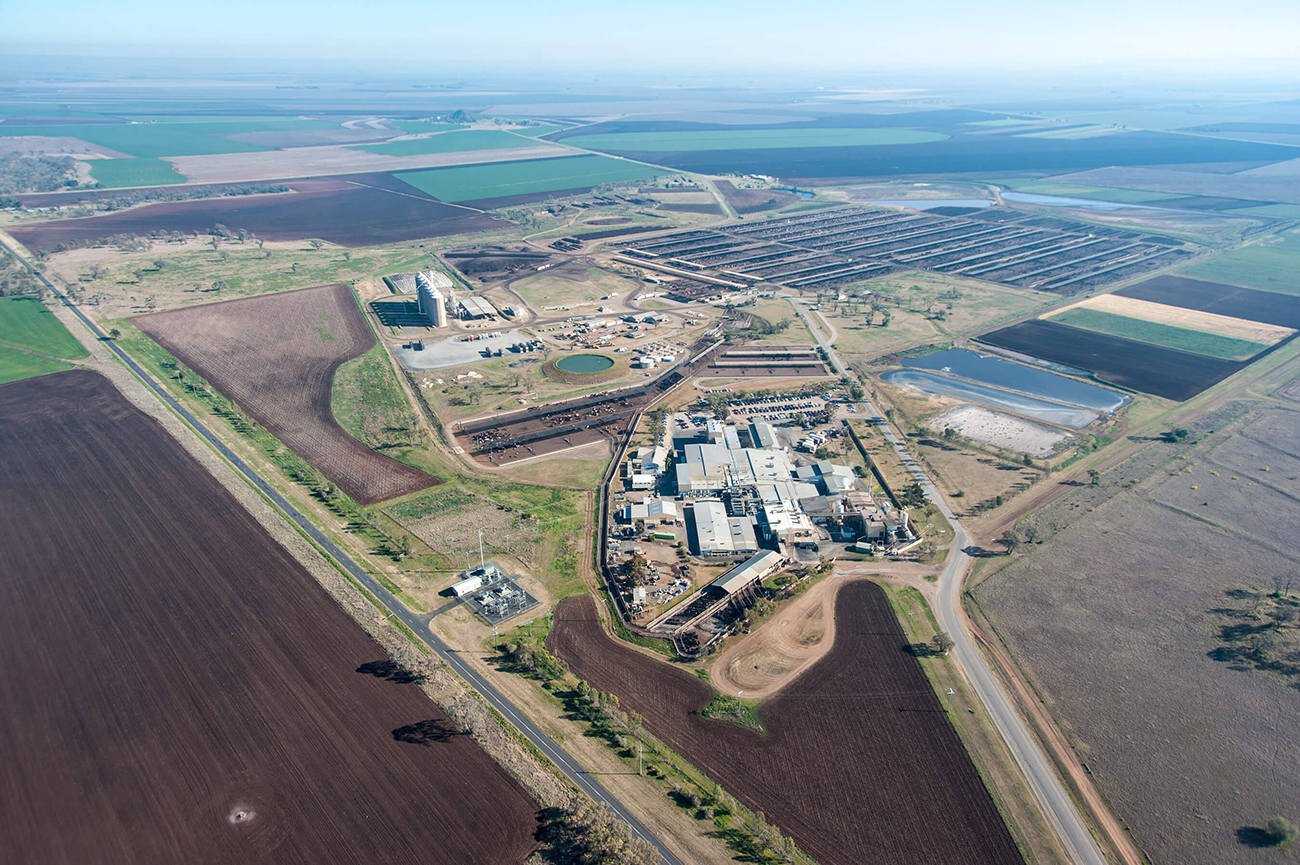
A meat processing plant and feedlot located on a vast site.
Currently, about 60% of the beef distributed in Japan is imported from countries such as the United States and Australia. Meat processing plants in these exporting countries are required to adhere to international-level hygiene standards, including those of the exporting and importing countries, as well as those of third countries.
This learning support tour will allow you to experience firsthand how our company, which operates approximately 9,700 stores worldwide, and our business partners specifically manage risks in the current food system, from the production and processing of raw materials used in products that customers consume, to distribution and sales (consumption), and how these risks arise throughout the process.
Zensho believes that learning by witnessing firsthand how food ingredients are handled is beneficial for developing excellent personnel in the fields of food safety and quality control, and therefore supports this curriculum.
Here are some of the comments we received from the participating students.
"Through visiting feedlots, I learned that Australia has a system in place to efficiently and effectively fatten a much larger number of cattle than Japan. Since the cattle are purchased directly from farmers, not only is the origin of the cattle known, but thorough individual management is also carried out using ear tags and computers, and it is possible to identify highly productive farms from the data of the cattle at the time of shipment."
The feed given to the cattle was also managed through production processes, document review, and quality control via sampling. I was surprised to learn that the quality of so much of the meat we eat is managed so meticulously during the fattening stage, and at the same time, I felt a sense of gratitude."
*You can find past articles about Osaka Prefecture University's educational curriculum here.
Share this article


![We will continue to weave together the culture of the Lenka people [Honduras]](/jp/action/resource/img_250609_fairtrade_01.jpg)