![Organic farming protects the land and the livelihoods of producers [Mexico]](/jp/action/resource/1.jpg)
Next article
Zensho Kagayaki Children's Foundation donates badminton equipment to children's welfare facilities.
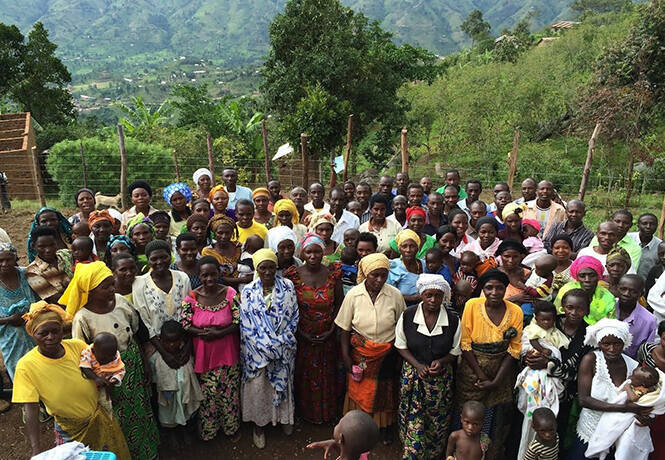
Large-scale flooding occurred across a wide area of western Uganda due to heavy rains that continued from April. In early May, flooding also hit the coffee-producing region where Zensho is working, affecting many people.
While coffee trees planted on higher ground than residential areas, and maternity wards and medical facilities located on hilltops, were spared from the flood damage, muddy waters reaching knee-deep floodwaters swept into the producers' cooperative office. The office gates were swept away, and much of the equipment necessary for coffee processing was buried in muddy water. Furthermore, the water surged into the coffee bean storage facilities, washing away coffee beans that were ready for shipment.
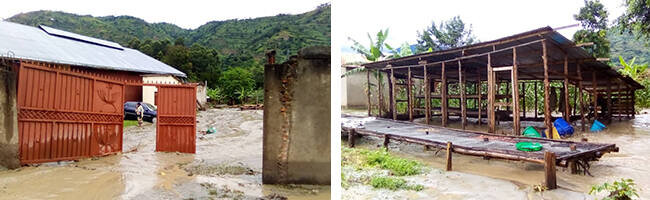
After the water receded and the producers finished cleaning their homes, they worked together to remove the muddy water that had accumulated in their offices and repair equipment, striving to restart economic activities in the community, including coffee production.
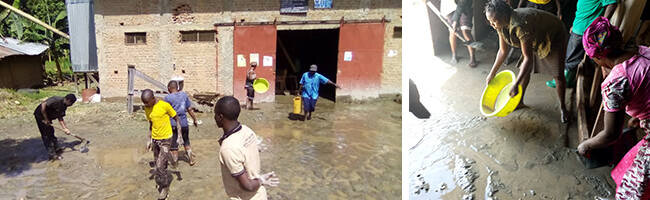
Upon receiving notification of the flood and the resulting damage, Zensho consulted with the producers' cooperative and decided to use social development costs * that had been pooled from transactions up to last year for reconstruction efforts. The funds were used to repair the office gate and to reinstall the coffee seedling beds that had been washed away, so that people could rebuild their lives and resume coffee production as quickly as possible.
* social development costs: This refers to the portion of the raw material purchase price that is allocated to various activities aimed at improving the lives of local people.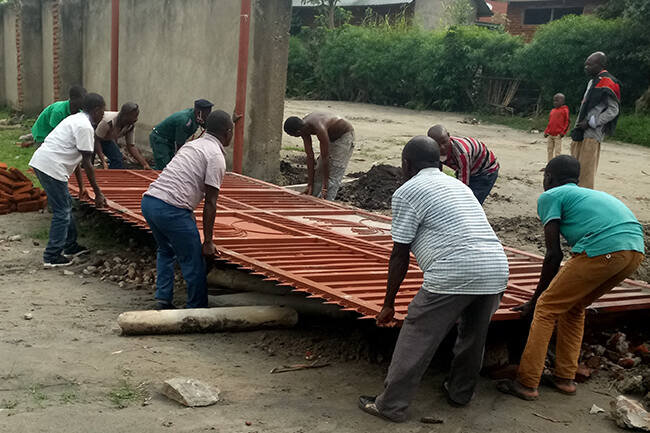
The email received from the site, where the reconstruction work had been completed, contained words of gratitude to Zensho, along with pictures of producers sweating as they sorted coffee beans harvested after the disaster. It was clear that the producers were dedicated to producing high-quality coffee beans and that their earnest and positive attitude was evident.
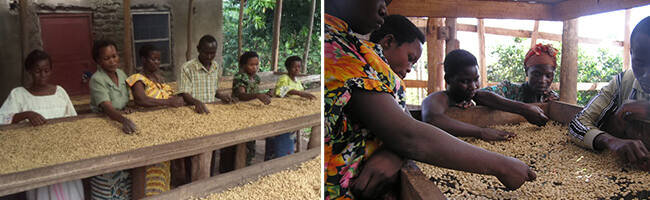
Zensho will sustainably support the economic independence of producers and the people living in those regions through the fair trade system, and will also work with producers to plan and implement disaster relief measures.
Share this article


![We will continue to weave together the culture of the Lenka people [Honduras]](/jp/action/resource/img_250609_fairtrade_01.jpg)