![We will continue to weave together the culture of the Lenka people [Honduras]](/jp/action/resource/img_250609_fairtrade_01.jpg)
Next article
We visited producers in Peru who have received organic JAS certification!
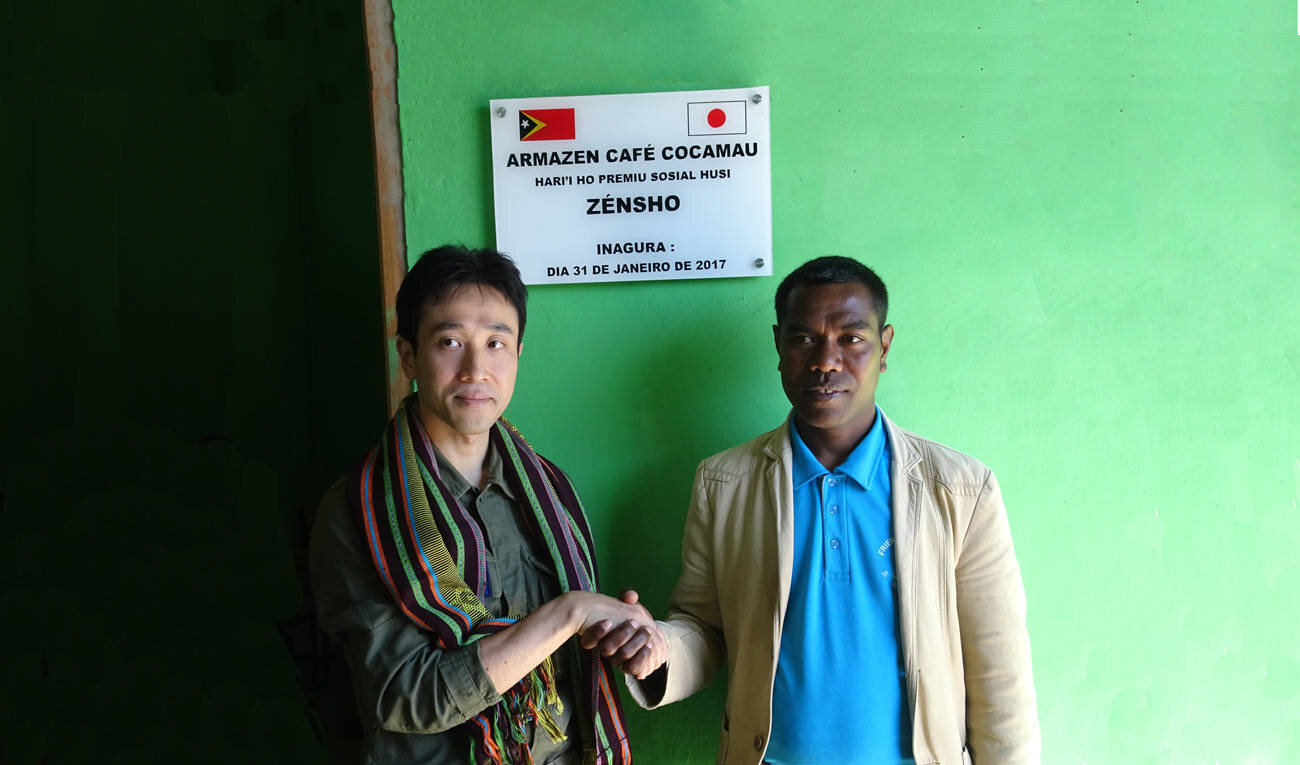
East Timor was the first country where Zensho launched its Fair Trade program. After gaining independence from Indonesia in 2002, the country faced internal armed conflict and unstable security conditions; to support producers, the Fair Trade program was launched in 2007.
Currently, we are partnering with an NGO and trading with coffee producers in two regions.
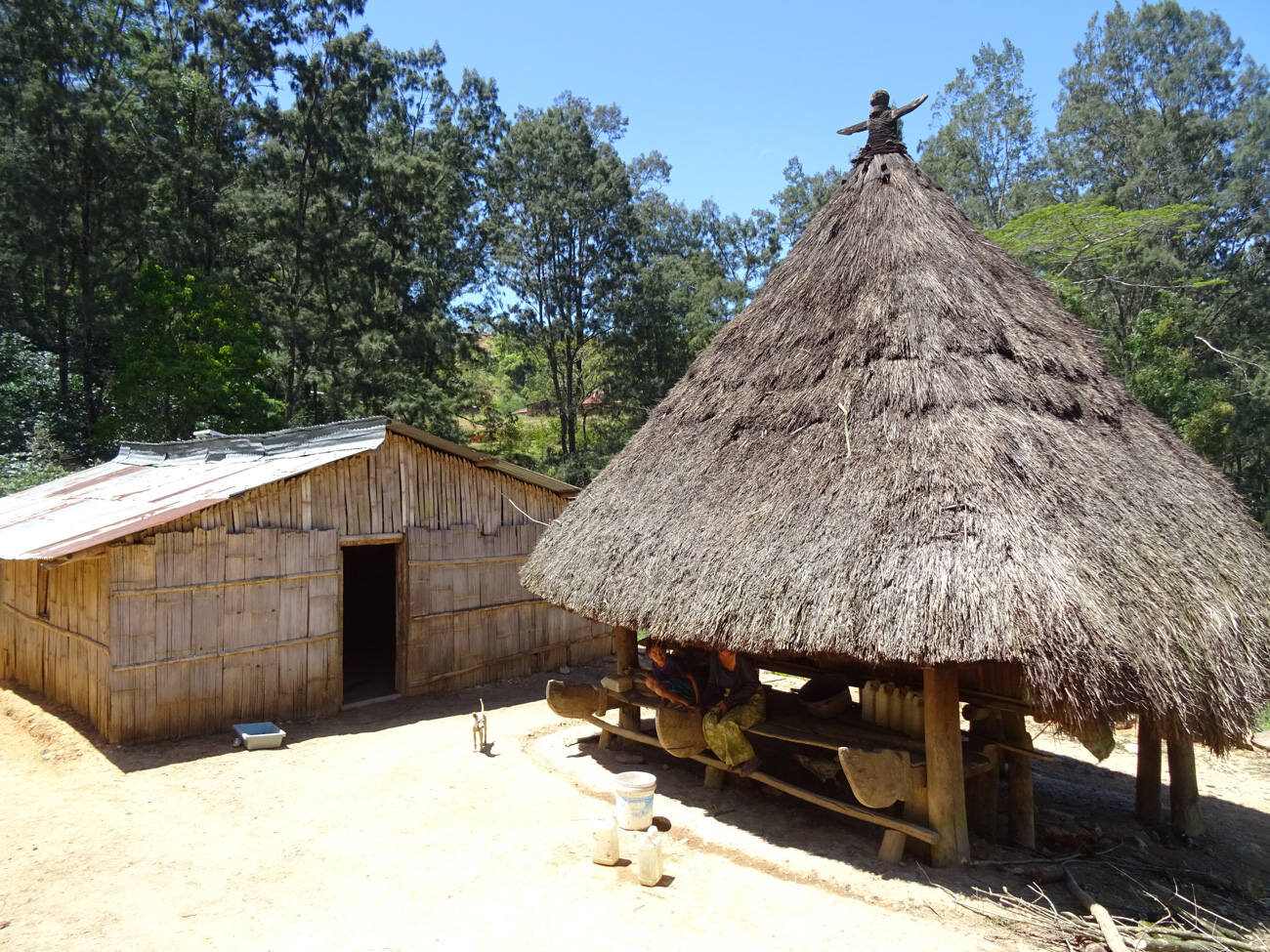
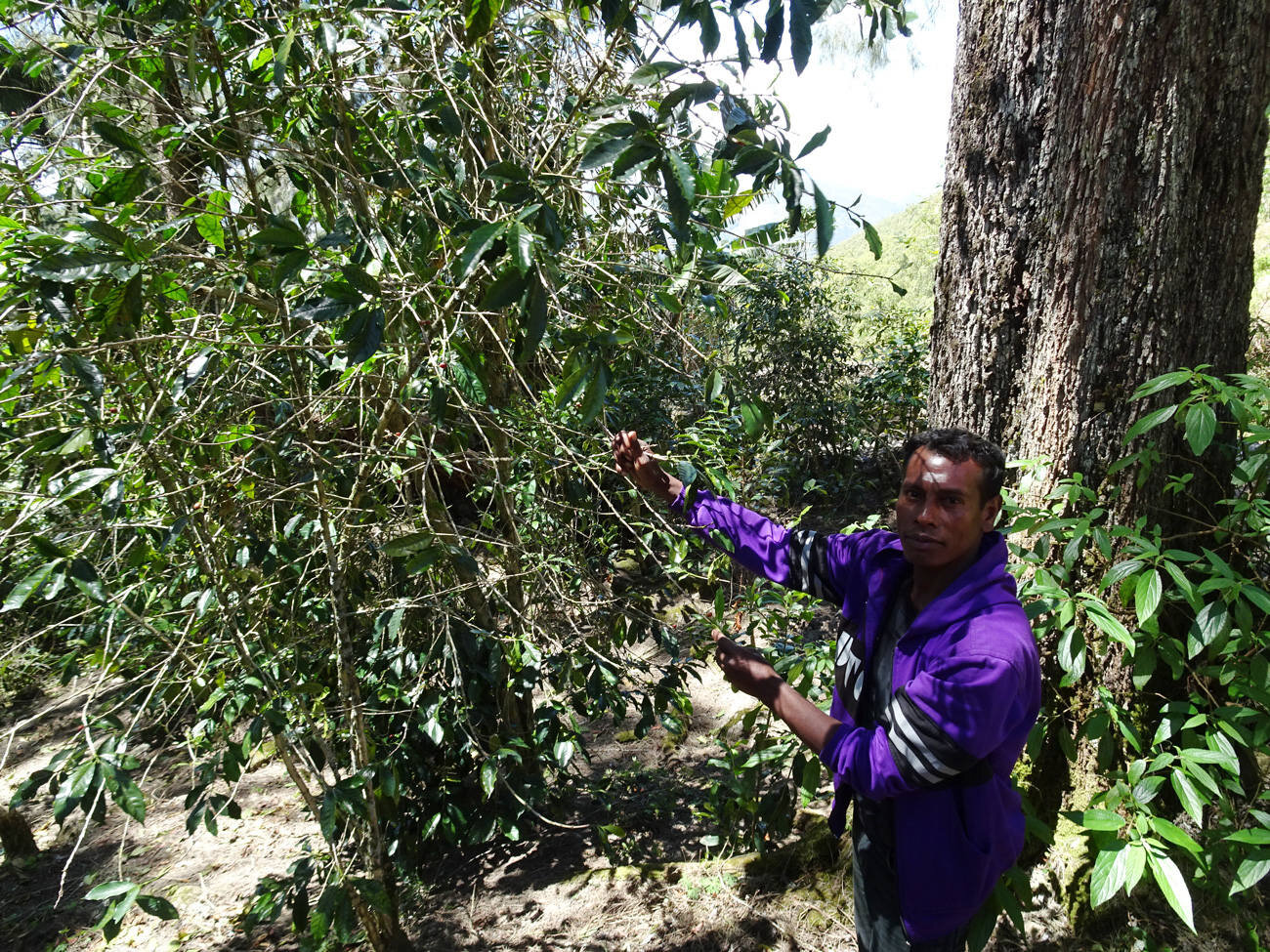
In recent years, one of our local initiatives has been supporting the construction of a coffee bean storage warehouse.
Because this producers' cooperative did not have its own storage warehouse, they had been renting warehouses from nearby churches and other places to store their coffee beans, depending on their production volume. However, these warehouses were not designed specifically for storing coffee beans, so the storage environment was not always ideal, potentially leading to a decline in quality. If the quality deteriorated and the beans became unsaleable, the producers would lose their income.
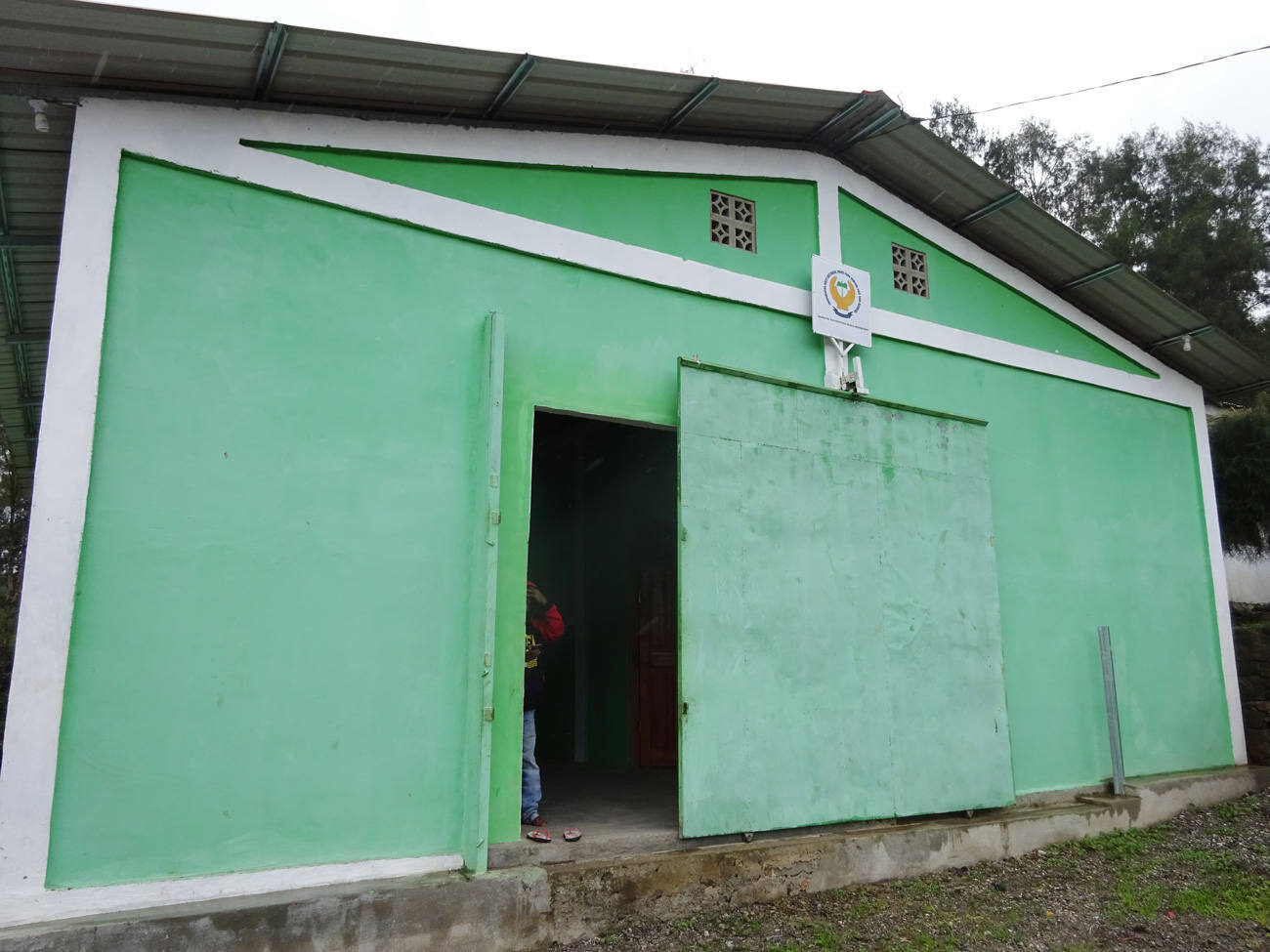
Therefore, using social development costs * generated from fair trade transactions with Zensho, we constructed a warehouse for storing coffee beans. This eliminates the need for producers to search for a warehouse to rent every year, and most importantly, it significantly reduces concerns about compromising coffee quality.
This is not just a benefit for producers; it also leads to customers being able to enjoy delicious coffee in stores.
* social development costs... This refers to the portion of the product price that is used to improve the lives of producers and other related purposes.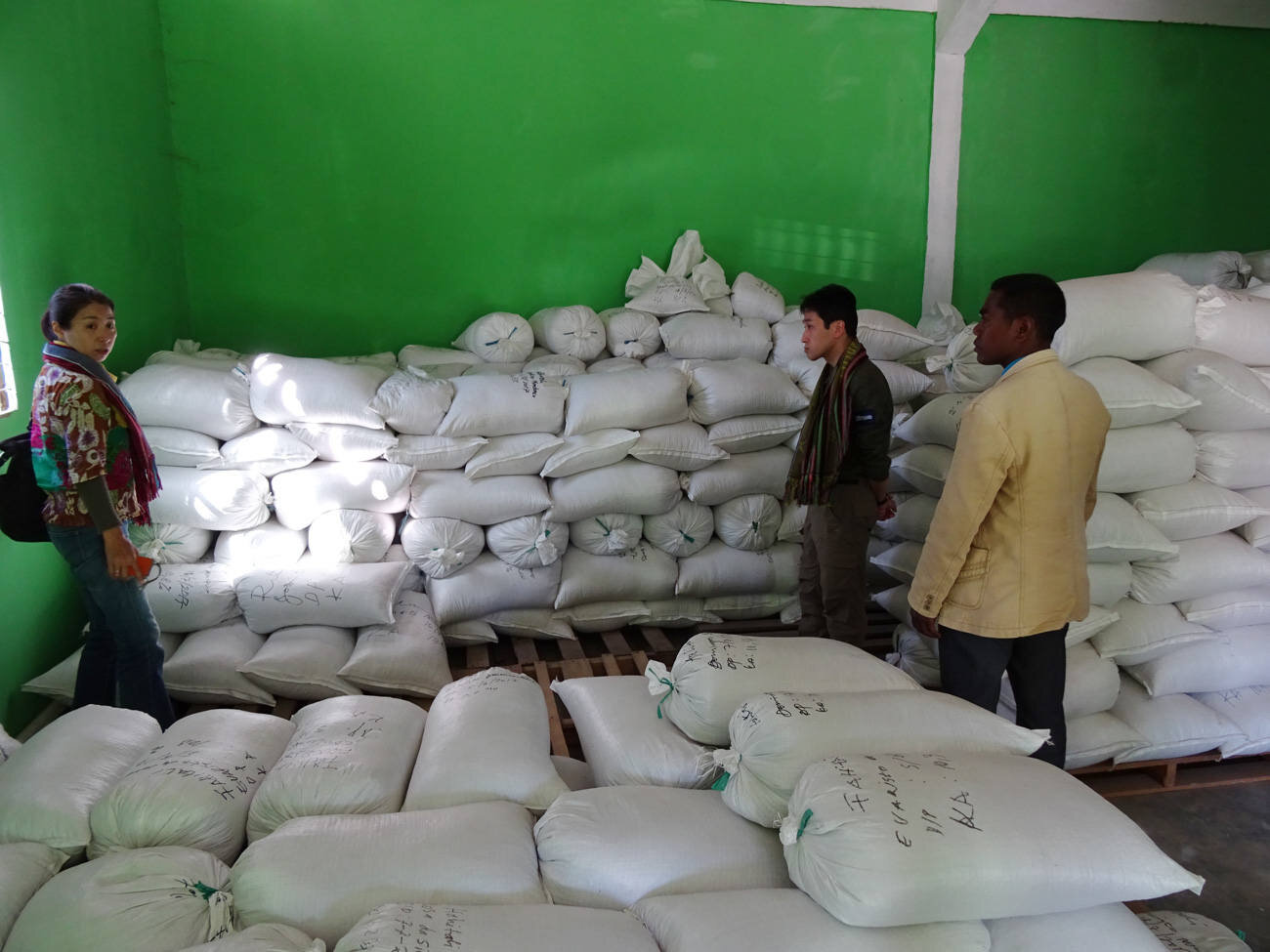
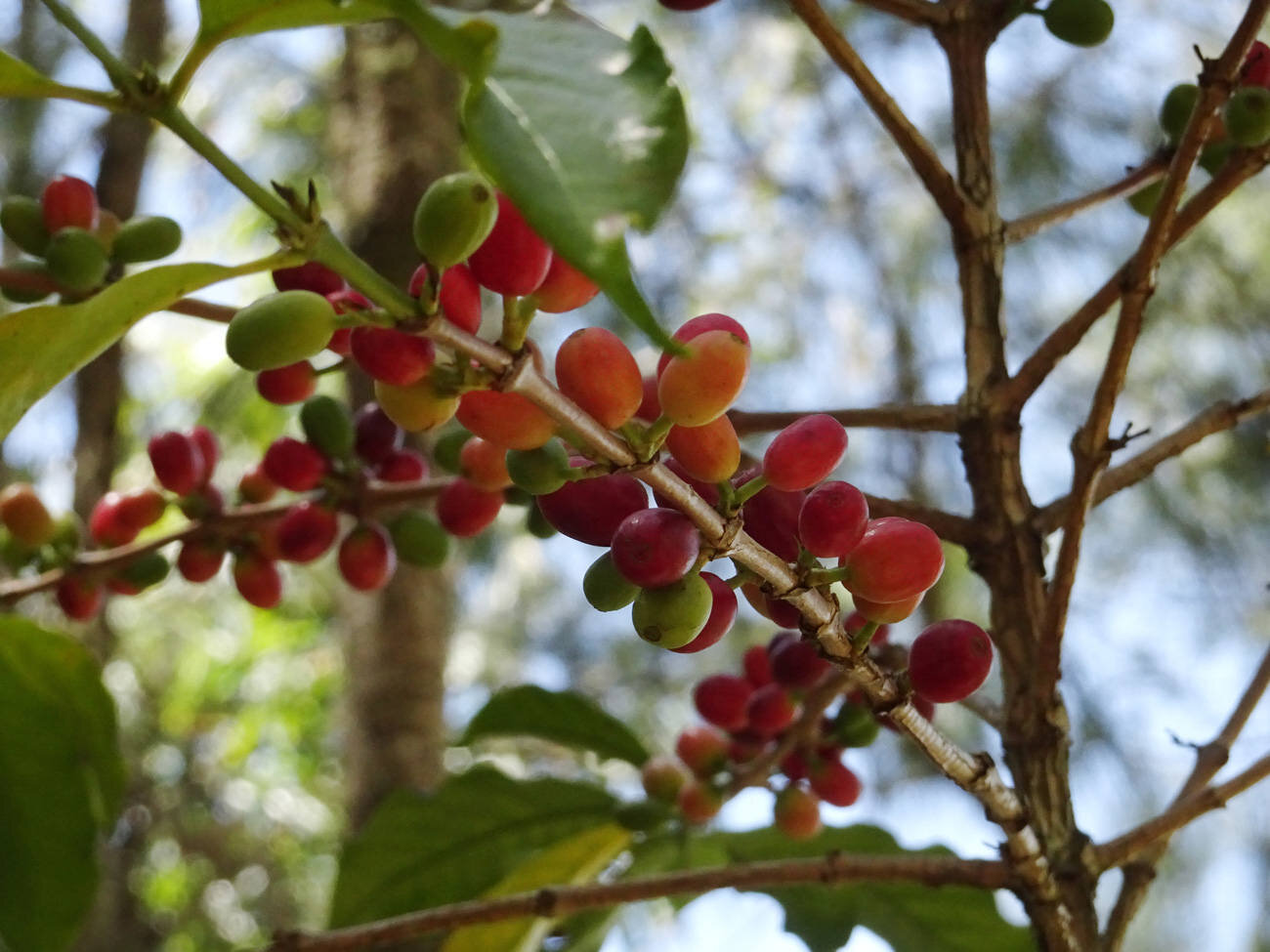
As the next initiative using social development costs from this producers' cooperative, we are considering managing coffee plantations and replanting new coffee trees.
In East Timor, the turmoil before and after independence has led to the loss of coffee cultivation techniques and knowledge that have been passed down through generations. Coffee trees bear fruit for several decades after planting, so the knowledge is passed down from parent to child. Improving the soil in the fields and replanting trees will enable the production of stable coffee quality and quantity.
We will continue to work together with local producers to ensure they can earn a stable income and continue coffee production for many years to come.
Tags
Share this article


![Aiming for fair trade that gives women's voices a chance to shine [Burundi]](/jp/action/resource/img_260528_fairtrade_01.jpg)
![Creating a sustainable society through environmentally conscious coffee production [Tanzania]](/jp/action/resource/img_260312_fairtrade_01.jpg)