![We will continue to weave together the culture of the Lenka people [Honduras]](/jp/action/resource/img_250609_fairtrade_01.jpg)
Next article
A new cafeteria and playground equipment are being built at a primary school in Peru!
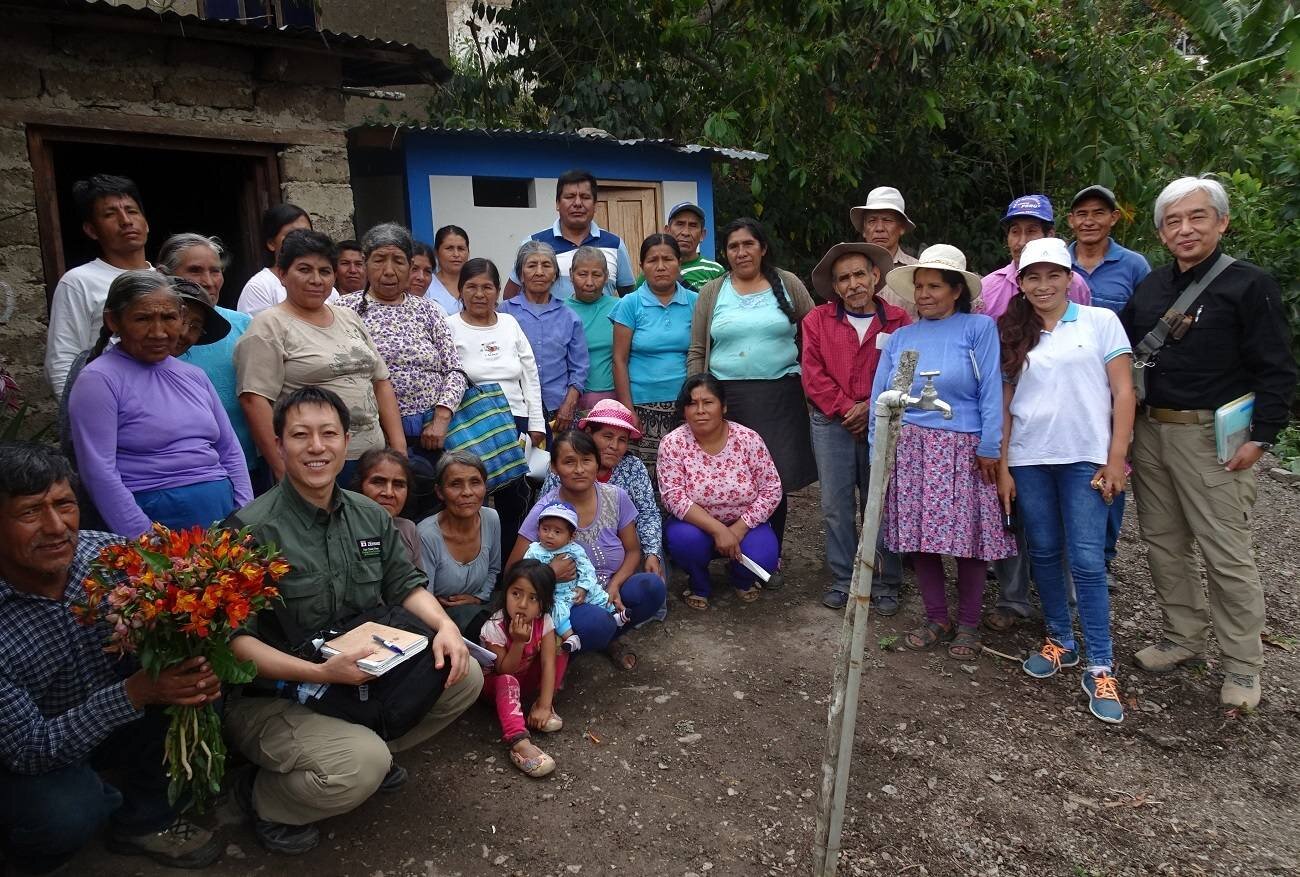
In October 2017, two members of Zensho Holdings' Fair Trade Department traveled to Peru. In Peru, they started fair trade for coffee and cocoa in 2010. This coffee and cocoa are certified organic under the Japanese Agricultural Standards (JAS).
We are currently working with two coffee producers in central Peru, but we plan to start working with a new group this year. The new group's production area is located in a remote region at an altitude of 4,500 meters, which requires a flight from the capital Lima to Cusco, followed by a six-hour drive.
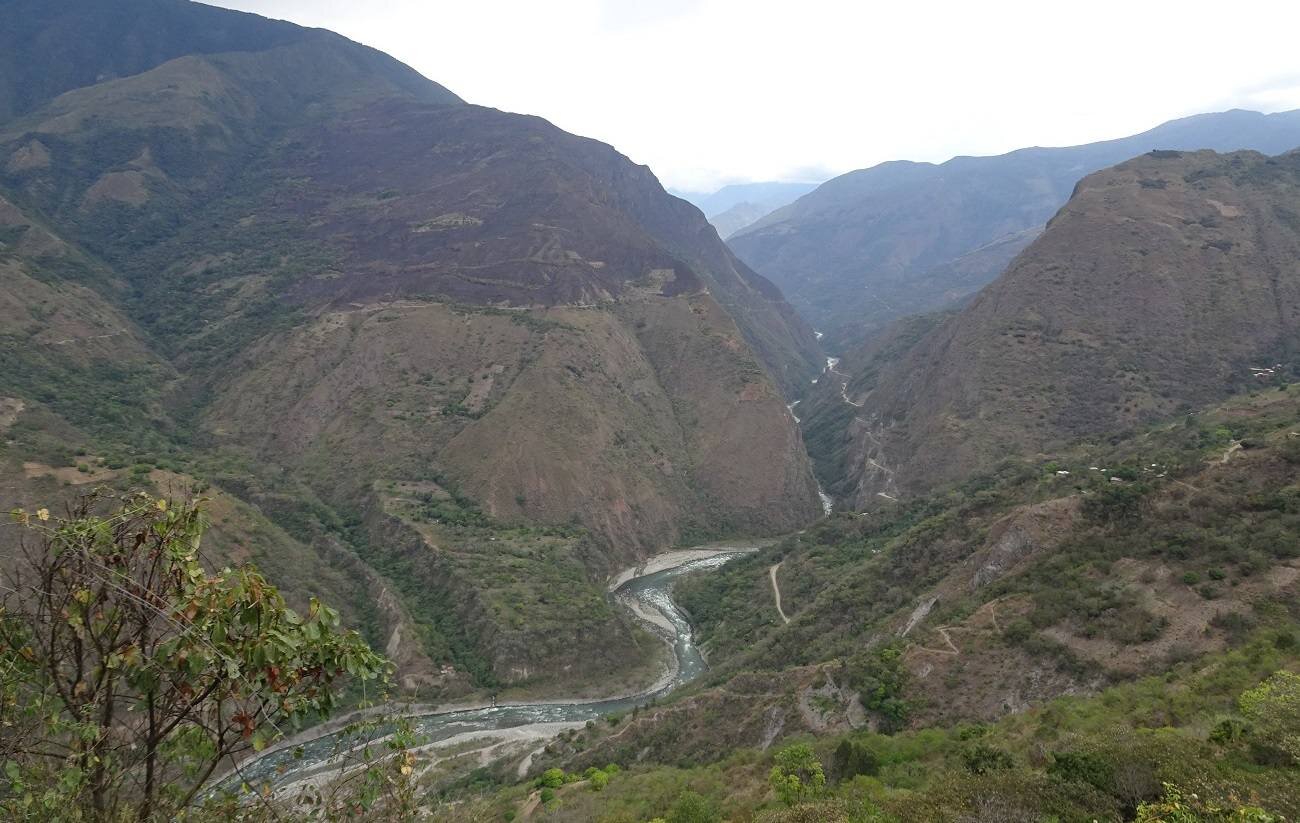
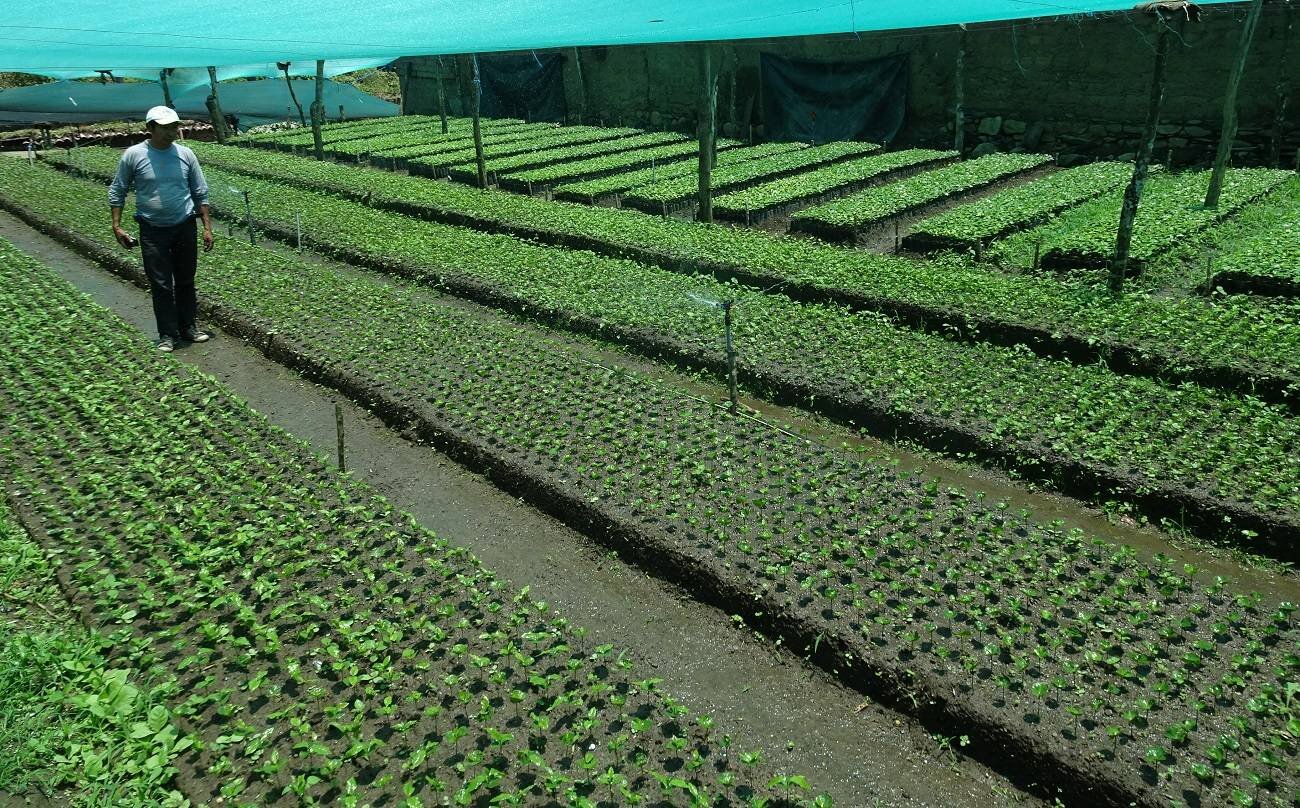
During this business trip, we inspected the organization's coffee plantations and primary processing facilities in preparation for starting this initiative.
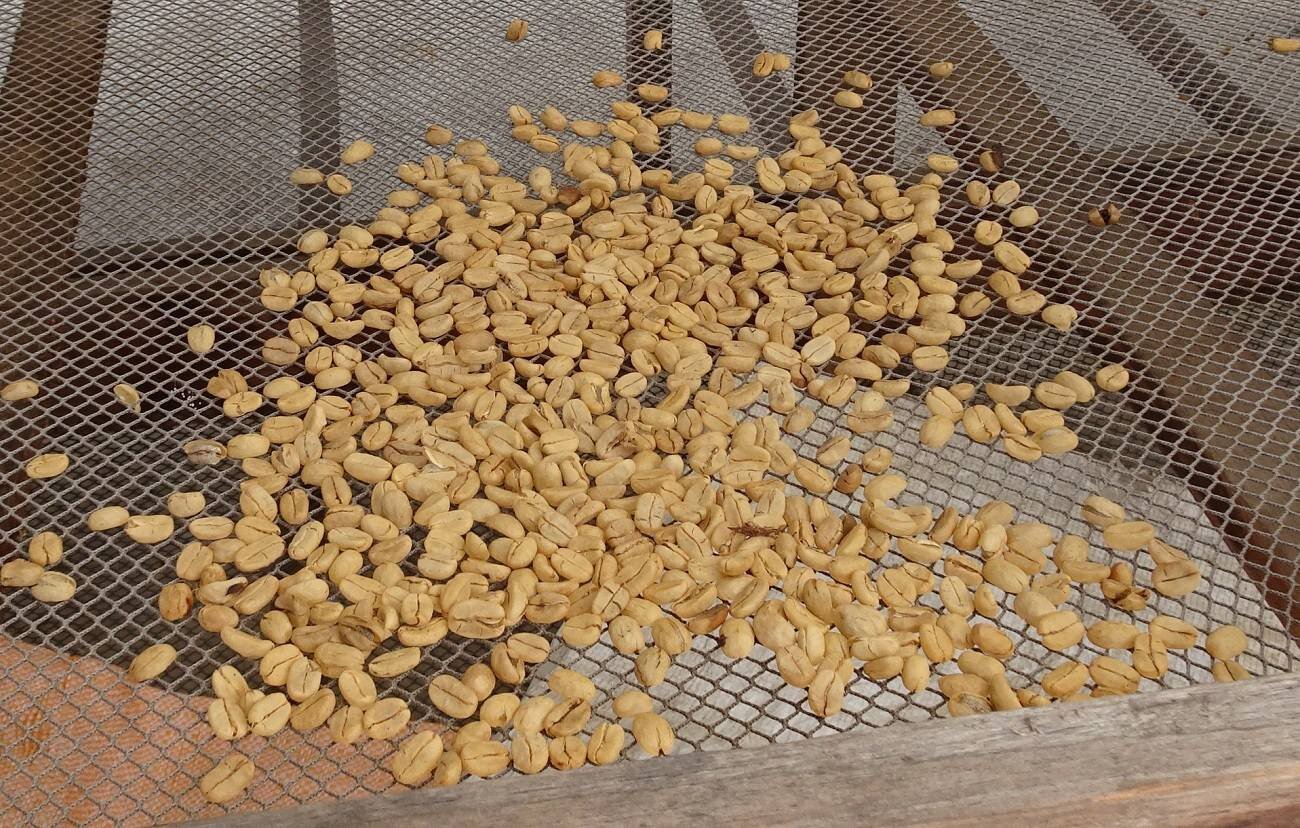
Primary processing involves washing the coffee cherries (the fruit) after hand-picking, removing the pulp, soaking them in water to remove the slime, and then thoroughly drying them in the sun for one to two weeks.
To help new producers visualize how fair trade coffee is actually served to customers, we showed them photos of Coco's serving fair trade coffee from Peru.
When we shared information about the store and how happy customers were, they said, "This has increased our motivation to obtain organic JAS certification!" and we reached a basic agreement for a new business relationship.
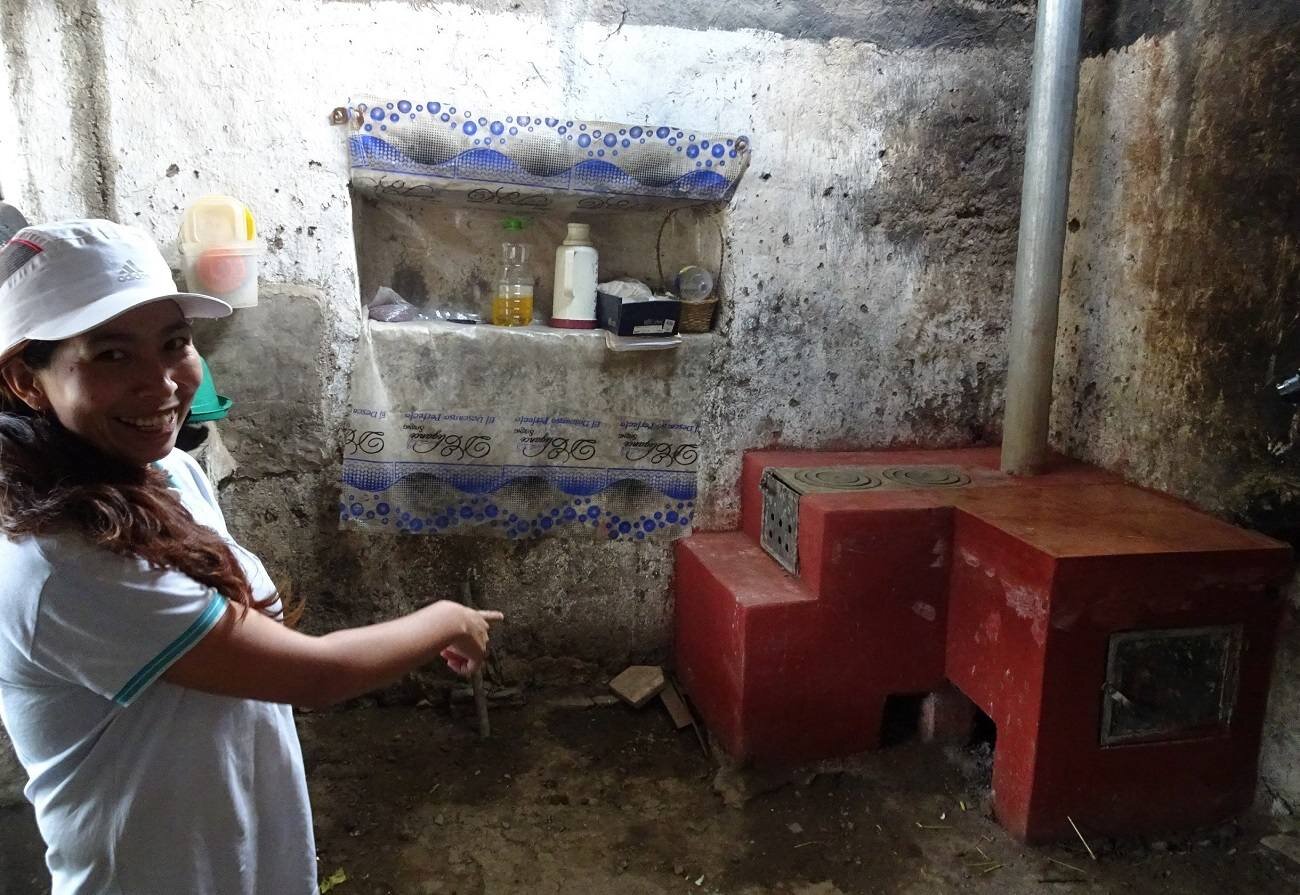
This time, we also visited two existing coffee-producing regions. In the first region, a project has been underway since 2016 using social development costs * to replace traditional stoves, which have poor combustion efficiency and pose a high risk of health problems due to soot, with improved stoves equipped with chimneys. This time, we attended the completion ceremony for this project. As a result of the improvements, cooking time has been shortened, the burden of collecting firewood for women has been reduced, and it has also led to the conservation of forest resources.
At the completion ceremony, a female producer expressed her heartfelt gratitude, saying, "Health problems caused by soot have decreased!"
In the other production area, a home gardening project was launched last year using social development costs. This project involves distributing vegetable seeds to producers and having them grow vegetables at home.
We are also sending cultivation instructors to ensure a good harvest. Coffee is a crop grown only once a year, and due to the effects of recent climate change, the yield is unpredictable, resulting in unstable income. Home gardening is primarily intended to improve the nutrition of producers, but it is also expected to be a source of supplementary income, as any surplus can be sold during a good harvest. After discussions, this project is planned to continue for three years.
We also visited a cocoa powder manufacturing plant. This plant holds not only organic JAS certification but also FSSC22000, an international standard for food safety management systems. There, we reviewed the manufacturing process and discussed future support for social development in cocoa bean producing regions.
We will continue to work to support the livelihoods of producers through fair trade practices.
* social development costs: This refers to the portion of the raw material purchase price that is allocated to various improvements in the lives of local people.
Share this article


![Aiming for fair trade that gives women's voices a chance to shine [Burundi]](/jp/action/resource/img_260528_fairtrade_01.jpg)
![Creating a sustainable society through environmentally conscious coffee production [Tanzania]](/jp/action/resource/img_260312_fairtrade_01.jpg)