![Organic farming protects the land and the livelihoods of producers [Mexico]](/jp/action/resource/1.jpg)
Next article
To improve the living conditions of farm workers
![Delivering tea leaves filled with the blessings of nature and the passion of producers [Sri Lanka]](/jp/action/resource/img_201015_fairtrade_01.jpg)
Since 2013, Zensho has partnered with a tea producers' cooperative that has been protecting and cultivating tea plantations near the "Sinharaja Forest Reserve," a World Natural Heritage site in Sri Lanka, and has been working on fair trade in collaboration with a Japanese NGO.
Sri Lanka, formerly known as Ceylon, has long produced high-quality tea. To ensure that the tea leaves, nurtured by the natural blessings of its abundant forests, and the growing environment are passed on to future generations, producers have adhered to sustainable farming practices. Their efforts to protect the environment and quality, including obtaining organic JAS certification, have earned them recognition from society and the market.
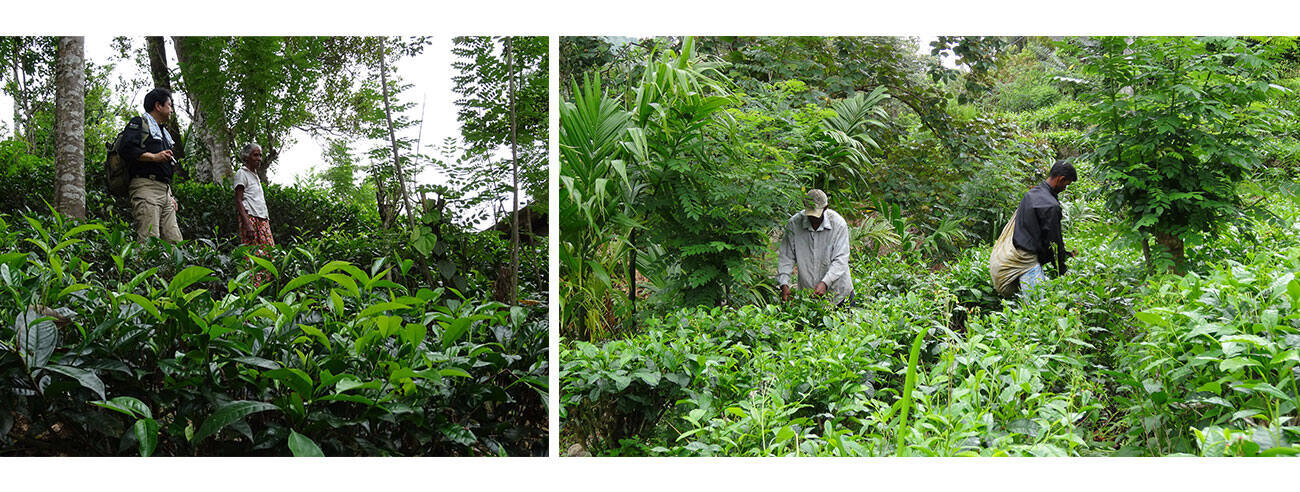
However, when we first started trading, producers, following long-standing customs, did not taste the tea brewed from their own tea leaves, and there was no quality check through tasting. Therefore, when our fair trade representatives visit the local tea plantations, they are offered tea brewed as a token of appreciation for the producers' hard work. The rich aroma and flavor of the tea made from the leaves they picked themselves helps to strengthen the producers' passion for sustainable farming.
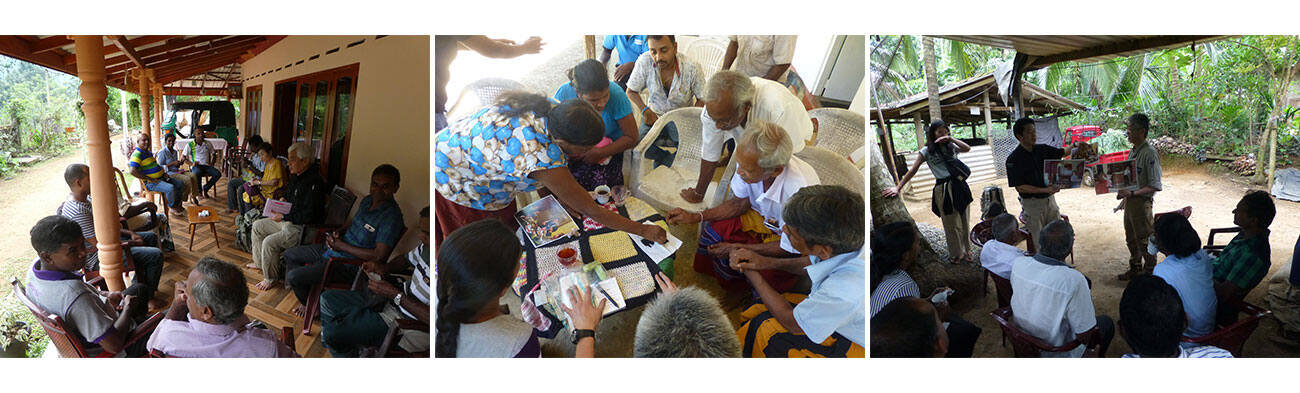
"Organic cultivation takes time and effort, but we want to make people smile with our tea leaves." said the producer. We would like to convey the earnest feelings of our producers to our customers.
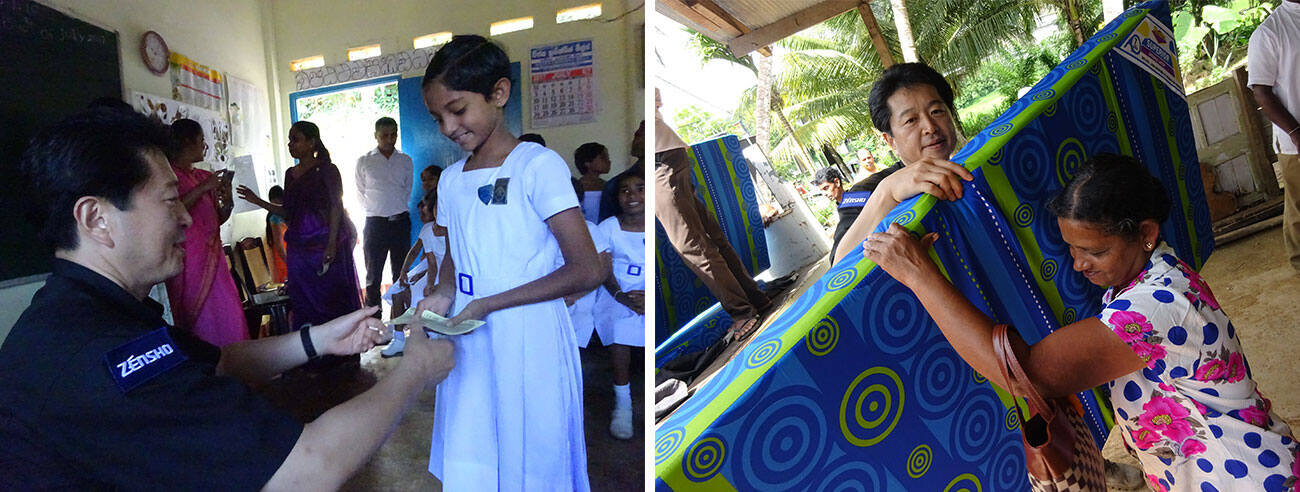
Zensho is also engaged in assistance activities in Sri Lanka that are tailored to local conditions. In 2017, when farmers were forced to evacuate after their houses collapsed, Zensho Group conducted a fundraising campaign. The funds were used for local support activities. In addition, fair trade representatives visited elementary schools and evacuation centers in tea-producing areas and distributed shoes, socks, and mattresses that had become unusable due to the flood to victims in the form of vouchers or in kind.
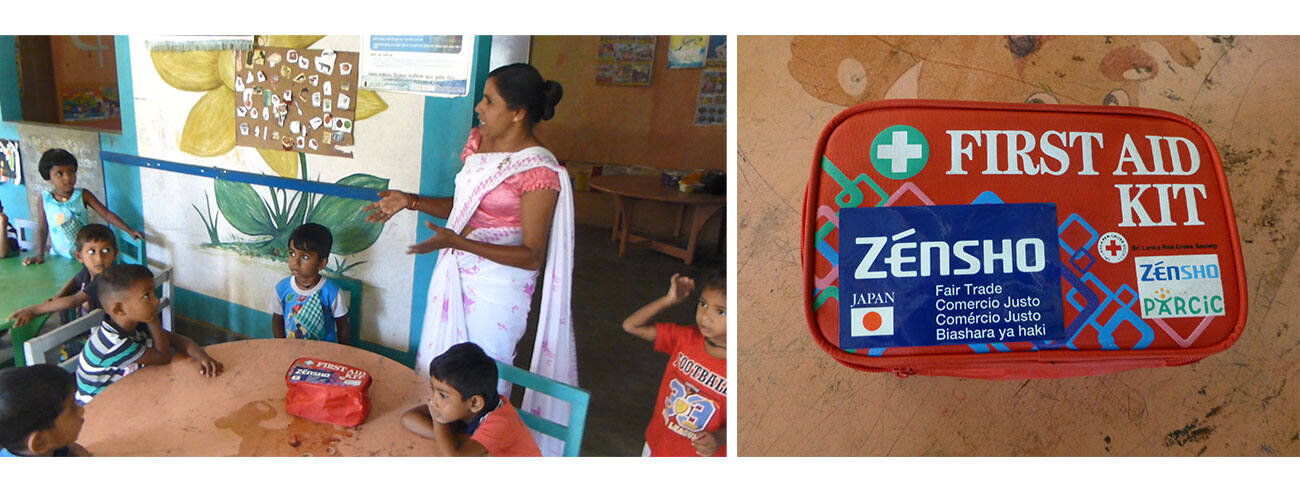
The social development costs generated from the tea leaf trade is used for repairs and reinforcement of the riverbank behind temples, which also served as evacuation sites during flood disasters, and for distributing first aid kits to nursery schools. Currently, as part of ongoing efforts, we are building community halls that local residents can freely use for gatherings and other gatherings to revitalize local activities.
Zensho will continue to expand its network of cooperation in tea-producing regions, not only with producers but also with local residents, and will work together on activities that contribute to protecting the environment.
Share this article


![We will continue to weave together the culture of the Lenka people [Honduras]](/jp/action/resource/img_250609_fairtrade_01.jpg)