![We will continue to weave together the culture of the Lenka people [Honduras]](/jp/action/resource/img_250609_fairtrade_01.jpg)
Next article
Working with female coffee producers [Malawi]
![Reunited with coffee producers after four years [Timor-Leste]](/jp/action/resource/img_231109_fairtrade_01.jpg)
Zensho 's fair trade initiative began in East Timor in 2007. East Timor gained independence on May 20, 2002, after a struggle for independence following Portuguese colonial rule and Indonesian occupation. In East Timor, a Japanese NGO was working with returning soldiers from the independence struggle to regenerate coffee forests and establish a coffee industry, and Zensho became directly involved in this project in collaboration with the NGO.
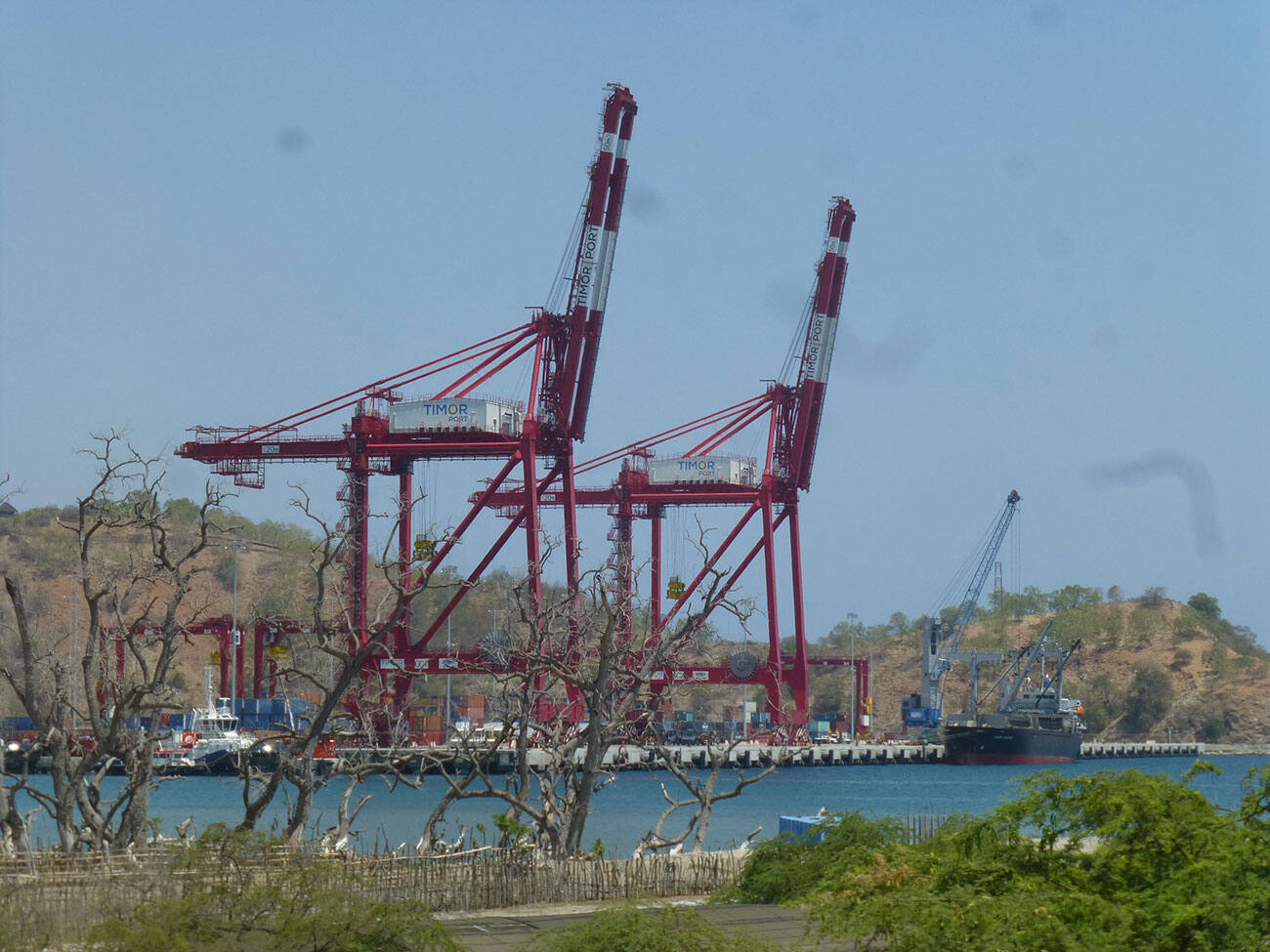
Sixteen years have passed since then. The shopping centers in the capital city of Dili, which were previously mainly used by foreign residents involved in reconstruction and development assistance and by overseas Chinese residents, are now frequently used by locals, and the number of supermarkets and cafes in the city has increased. With the aim of joining ASEAN in the fall of 2023, the government in East Timor is currently actively developing infrastructure, with plans underway for the construction of a new port in Tibar and a new airport. In coffee-producing regions, road infrastructure is improving in more areas, and electricity is gradually becoming more widespread.
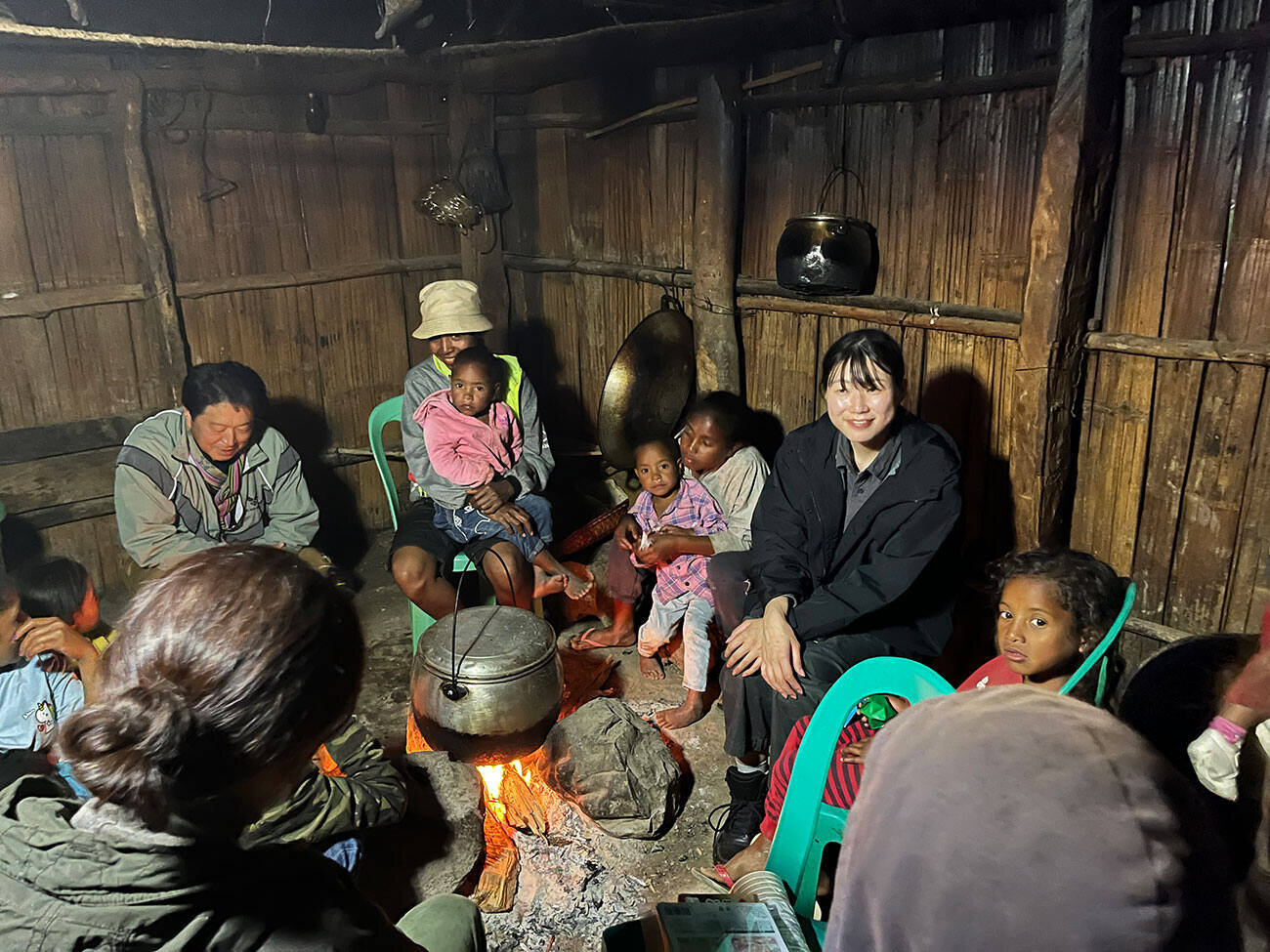
This time, we visited the Laimera settlement in the Kokamau region of Maubisse County, which produces Arabica coffee. Fair trade members checked on the coffee cultivation conditions, stayed overnight at the producers' homes, and interacted with them around a bonfire.
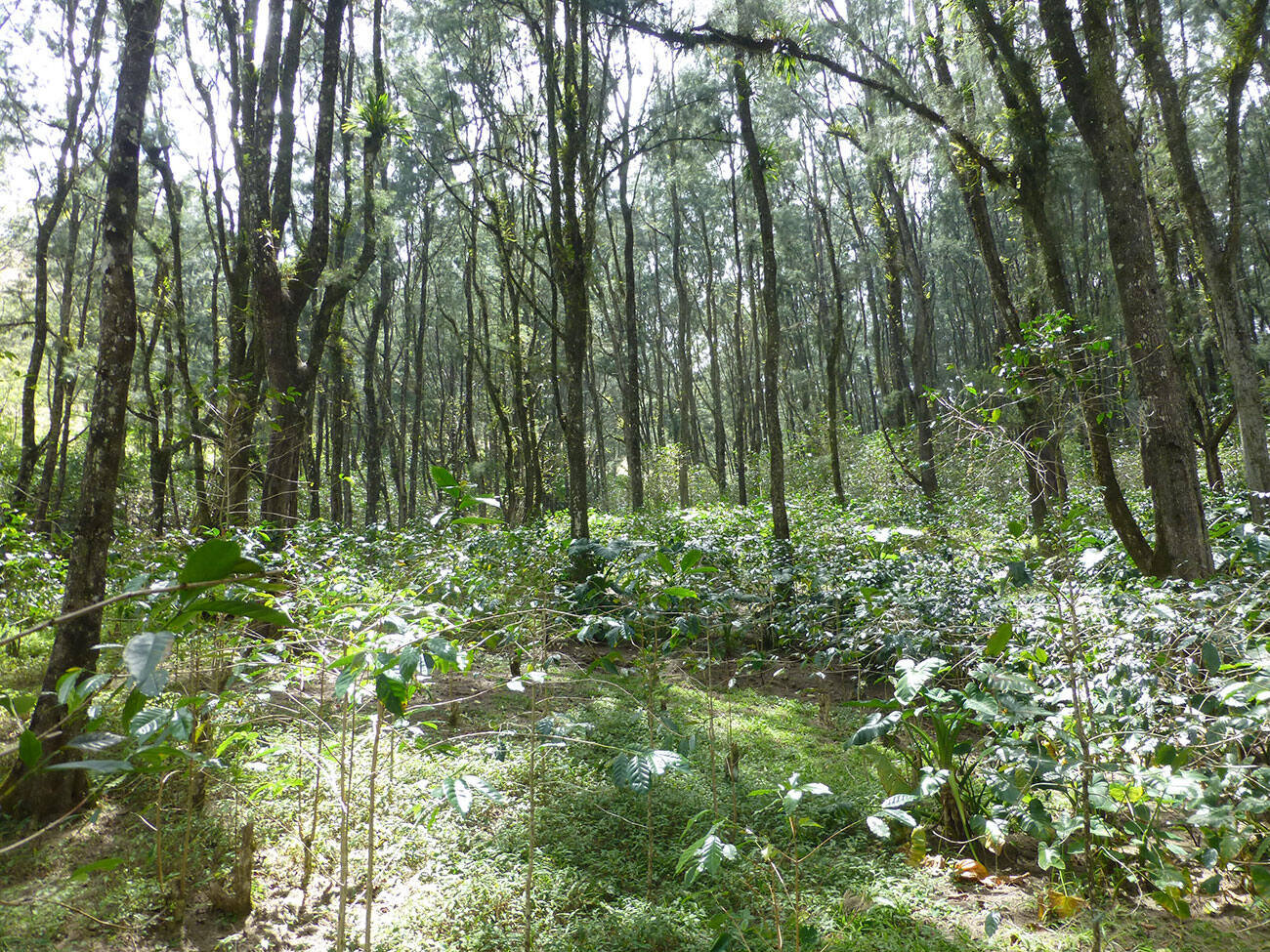
Currently, in East Timor's coffee-producing regions, harvest yields are declining due to the effects of climate change, such as droughts occurring during the flowering season of coffee trees and heavy rainfall during the parchment* drying period. In addition, with the global demand for coffee increasing, more multinational corporations are buying raw coffee cherries. As a result, the income that producers receive has decreased compared to when they process their coffee to parchment. In this situation, Zensho is ensuring that producers in East Timor receive a fair income by trading green beans, which have been processed to parchment and then refined at secondary processing plants, at a fair price.
*Parchment... This refers to the thin, light brown skin (endocarp) that surrounds the coffee bean. When the pulp and parchment of the coffee cherry are removed, the raw coffee beans are revealed.
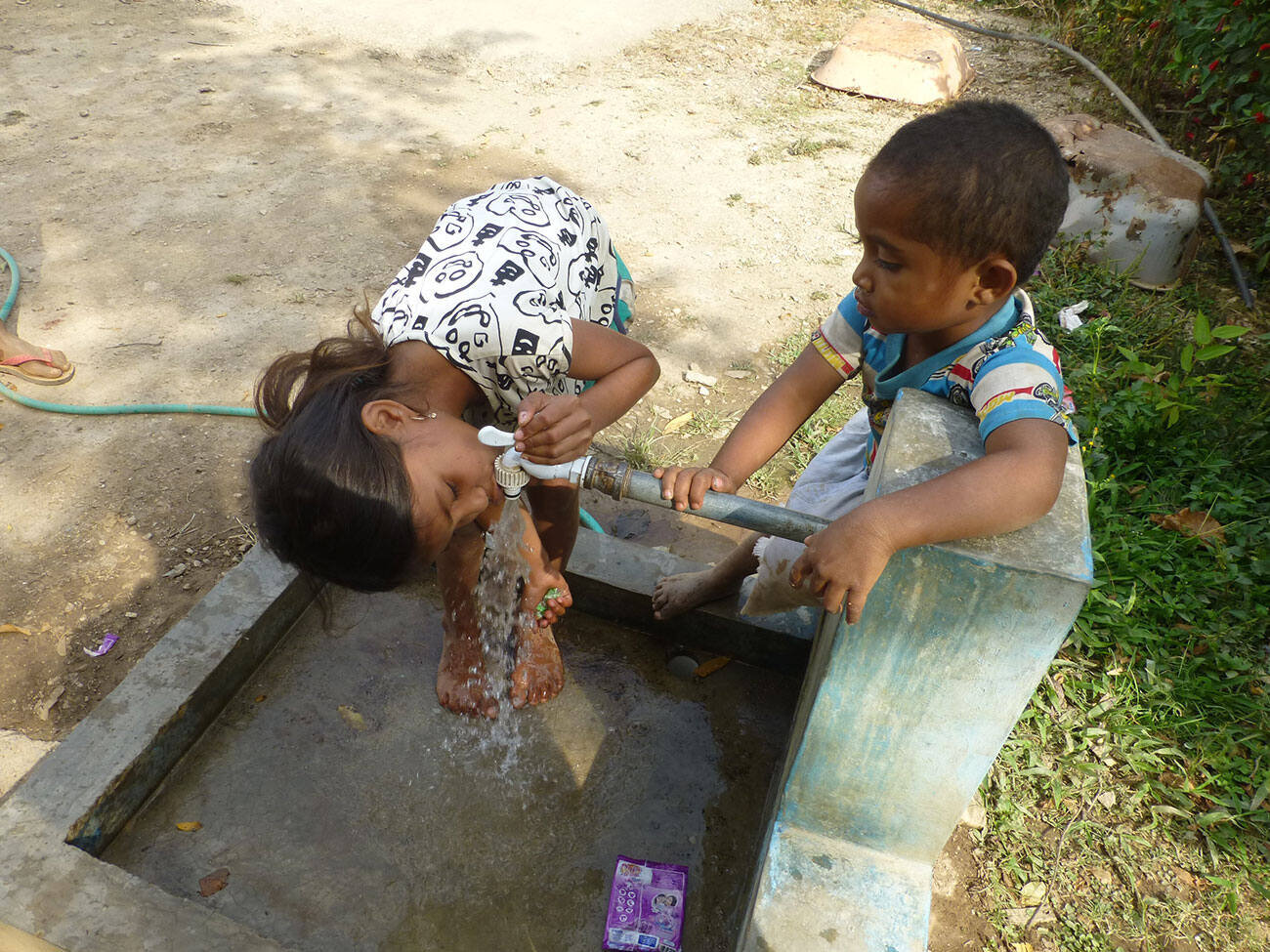
Furthermore, we observed that the water supply facilities previously constructed using social development costs * are being carefully used by local residents and are contributing to the maintenance of sanitation. These water supply facilities are also helping to improve the quality of coffee beans grown using the same water source. In the future, we are considering using social development costs to expand coffee storage warehouses in the producing areas and to deploy water supply facilities in areas that still lack access to water.
* social development costs: This refers to the portion of the raw material purchase price that is allocated to various activities aimed at improving the lives of local people.
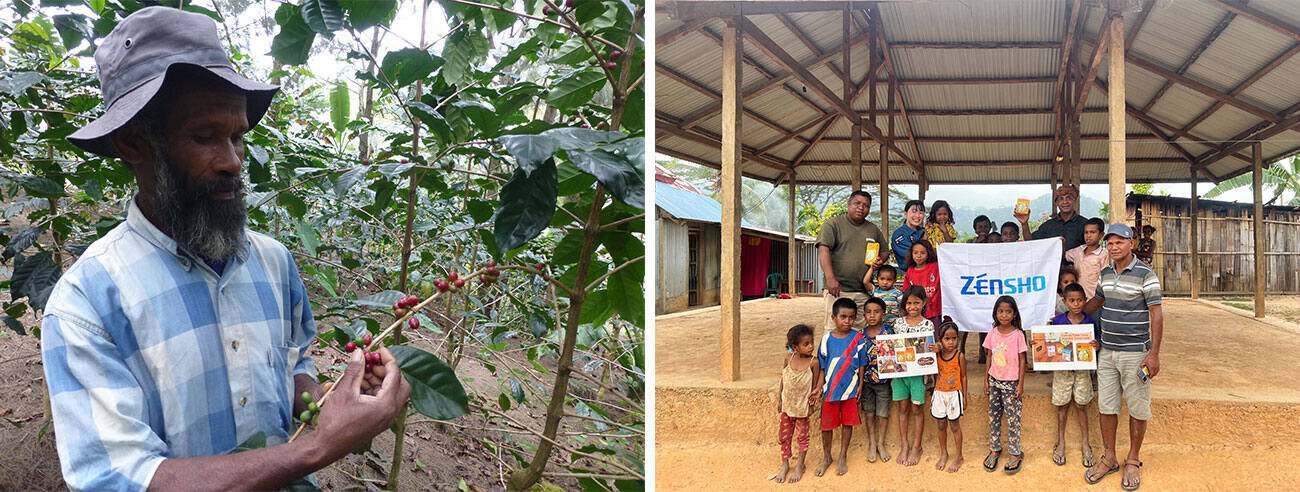
A representative from the NGO that has been working with us to promote fair trade projects in East Timor said, "We are very grateful that you have continuously supported us by purchasing our products for 15 years, even when there were no buyers." Zensho will continue its efforts while fostering trusting relationships with producers and NGOs.
Tags
Share this article


![Aiming for fair trade that gives women's voices a chance to shine [Burundi]](/jp/action/resource/img_260528_fairtrade_01.jpg)
![Creating a sustainable society through environmentally conscious coffee production [Tanzania]](/jp/action/resource/img_260312_fairtrade_01.jpg)