![We will continue to weave together the culture of the Lenka people [Honduras]](/jp/action/resource/img_250609_fairtrade_01.jpg)
Next article
Reunited with coffee producers after four years [Timor-Leste]
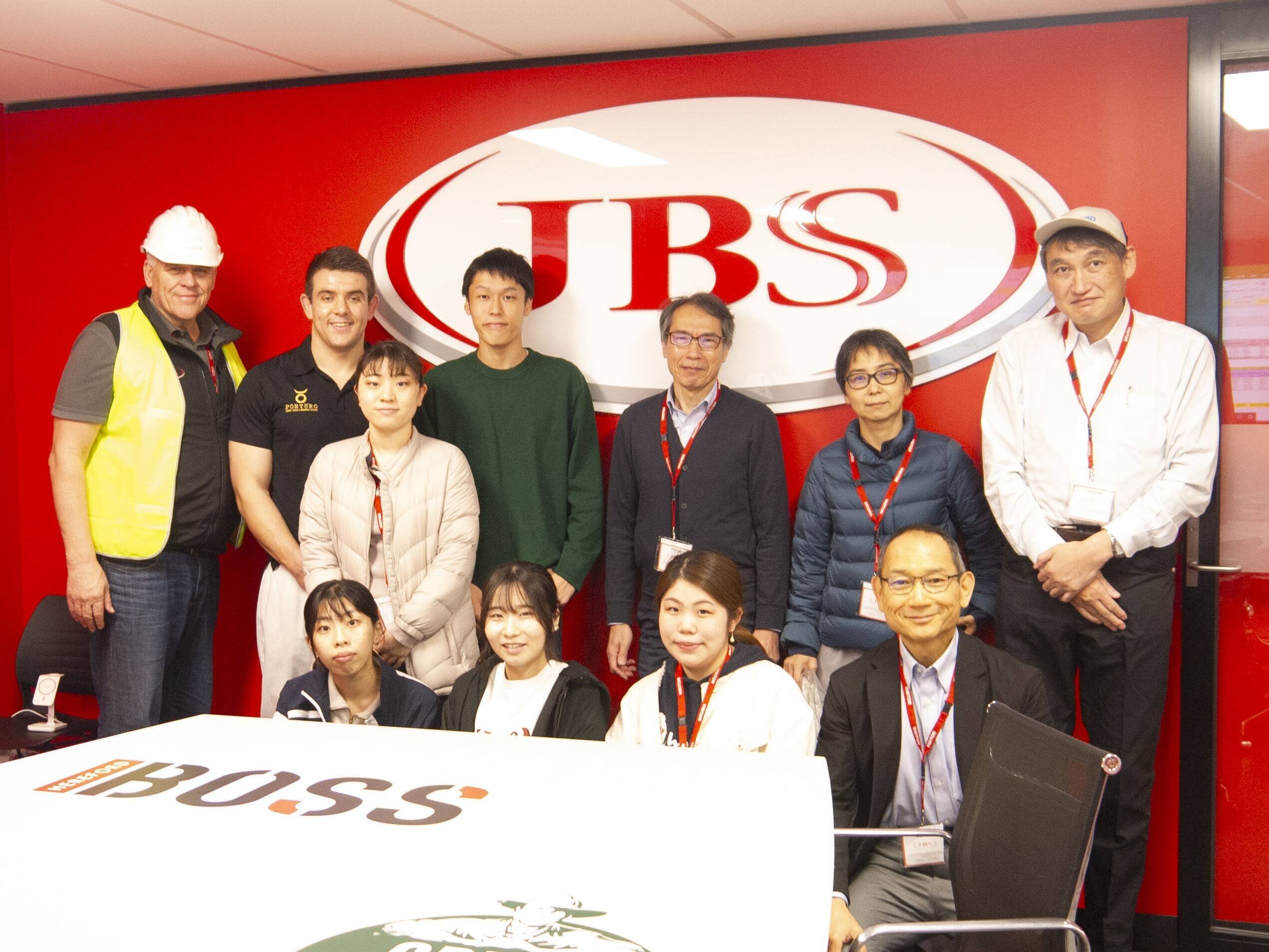
In September 2023, five students studying veterinary medicine and botany, along with two faculty members from Osaka Metropolitan University (formerly Osaka Prefecture University), visited and toured meat processing plants and other facilities in Australia, with the support of Zensho employees involved in raw material safety management.
This tour, conducted as part of a curriculum to learn about the distribution of food from overseas, is the fifth time it has been held since Zensho began cooperating. Due to the impact of the COVID-19 pandemic, it has been held for the first time in about four years.
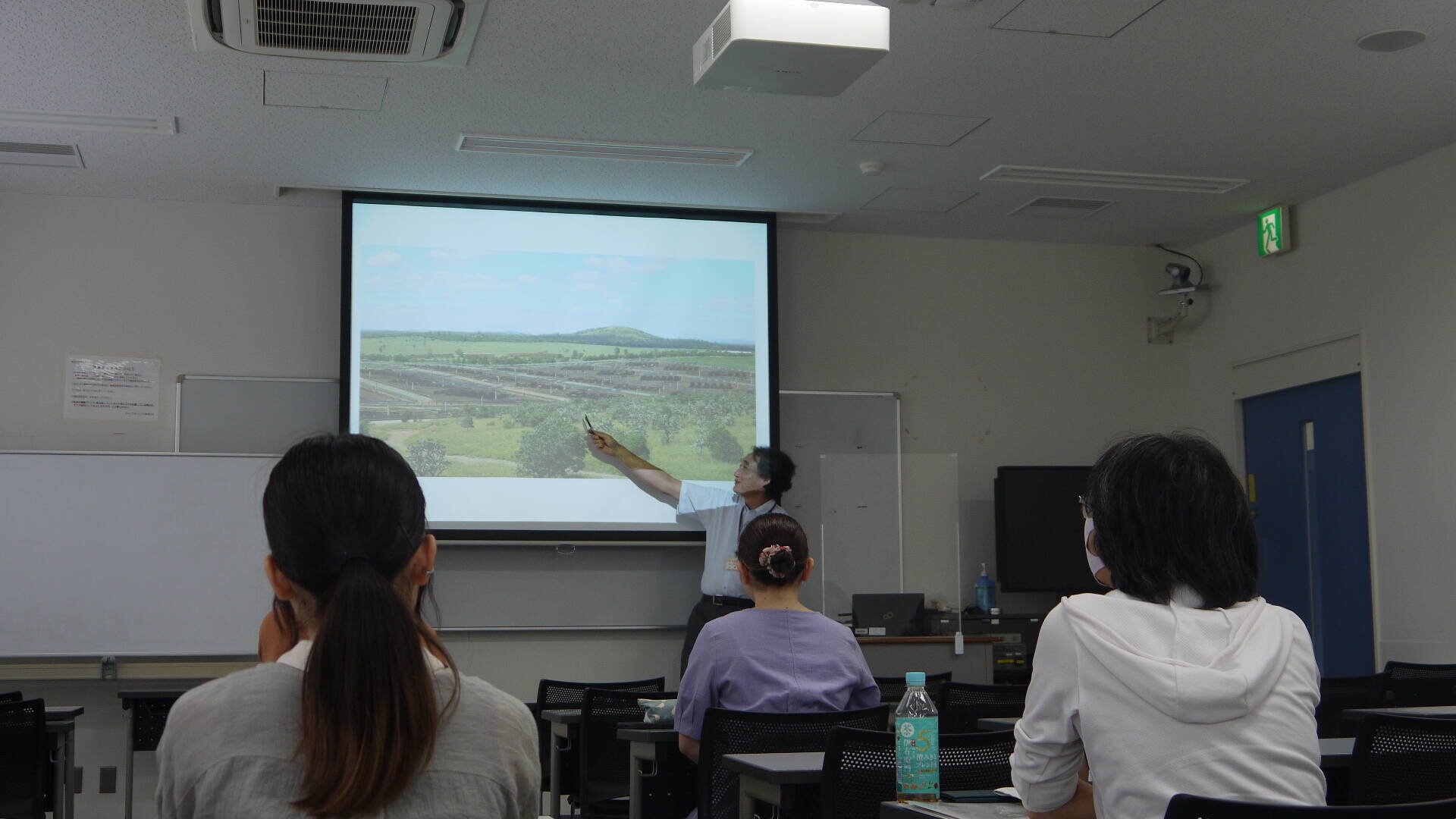
First, before visiting the site, Zensho employee gave a preliminary lecture. This helped deepen our understanding of the key points we would be learning about during the visit, such as meat import and hygiene management.
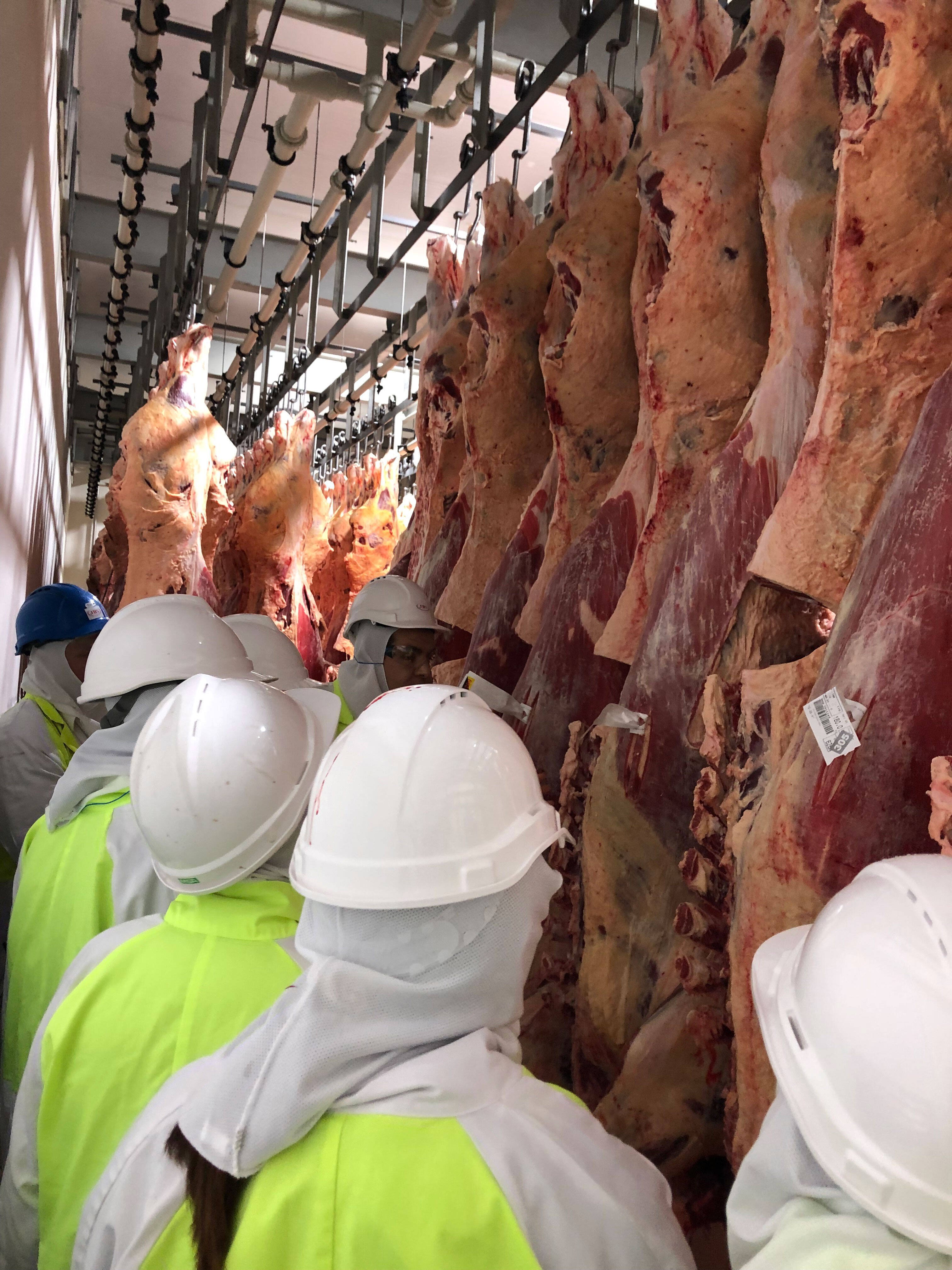
After arriving in Australia, we visited a meat processing plant of a company that supplies beef to Zensho. We observed how international-standard hygiene management is carried out in the slaughtering, butchering, and meat processing of the cattle.
The following comments were received from the participating students:
"I had a general understanding of what kind of company the meat processing company that Zensho does business with is, and what the slaughterhouse process is like, thanks to lectures given beforehand, but seeing it in person made me realize a lot more. This time, I observed everything from when the cattle are brought in, through processing, and when the meat is packed into bags. The processing was quick, and the tools were washed after each animal was handled, which surprised me as it was much more hygienic than I had imagined. I was also impressed by the religious and ethical considerations that were being taken into account. I would like to use what I learned here as a reference in various fields in the future."
In addition, we received the following comments from a professor in the Graduate School of Veterinary Medicine who participated in this tour.
"This time, we visited Australia as part of our university's extracurricular seminar course, 'International Food Distribution Seminar.' This course is one of the most important, as it allows students to understand, through hands-on experience, the hygiene management processes that food from overseas undergoes before being imported into the country."
On-site, we received cooperation from Zensho for our tour of a meat processing plant. The opportunity to see the slaughtering and butchering process of beef imported into Japan at an overseas factory, on a much larger scale than in Japan, and using advanced hygiene management methods, was unprecedented not only for the students but also for me as a teacher. Judging from the students' reactions, I strongly felt that their understanding of meat production and international distribution had deepened.
In this way, we were able to conduct "food safety education" on a field basis, using the import of beef from Australia as a case study, thanks to the cooperation of Zensho and the meat processing plant operators. We express our sincere gratitude for their cooperation.
Zensho will continue its efforts to promote understanding of food safety.
* Zensho 's efforts regarding beef safety are also introduced here.
Share this article


![Aiming for fair trade that gives women's voices a chance to shine [Burundi]](/jp/action/resource/img_260528_fairtrade_01.jpg)
![Creating a sustainable society through environmentally conscious coffee production [Tanzania]](/jp/action/resource/img_260312_fairtrade_01.jpg)