See other ingredients
Rice
Employees also conduct on-site audits of fattening farms and processing plants.
We have established "Zensho standards," which are stricter than those of other countries, to ensure safety.
Zensho group imports beef from the United States, Australia, and other countries. Since there are differences in safety and quality control methods among countries, the Zensho group manages safety according to Zensho standards, which are stricter than the standards in each country. In particular, for U.S. beef (which is now recognized as a "negligible risk country" with the highest OIE BSE status), which our customers were concerned about, we have established Zensho Safe-Feed Cattle (SFC) and conduct more detailed audits.
This is meat from healthy cows that meet the above conditions.
Zensho SFC mark guarantees the safety of beef.
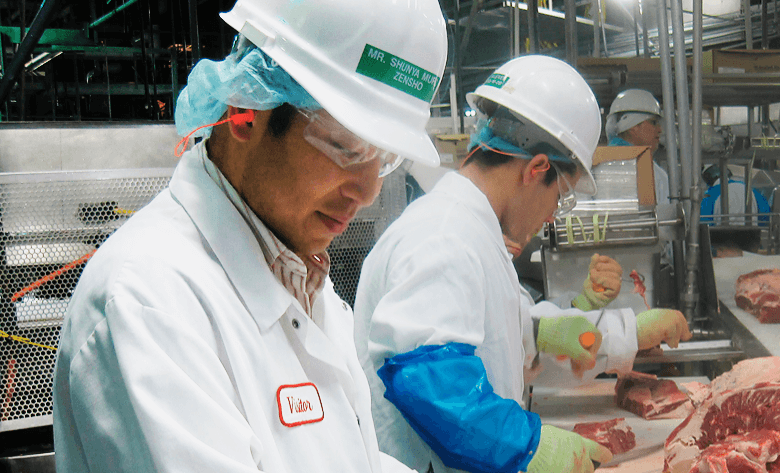
At meat processing plants, audits focus on the removal of specified risk materials (SRMs) and hygiene management. Once comprehensive safety checks are completed across all aspects—including rearing farms, fattening farms, feed inspection results, and processing plants—the plant is certified as a Zensho SFC processing plant, and a certificate of certification is issued.
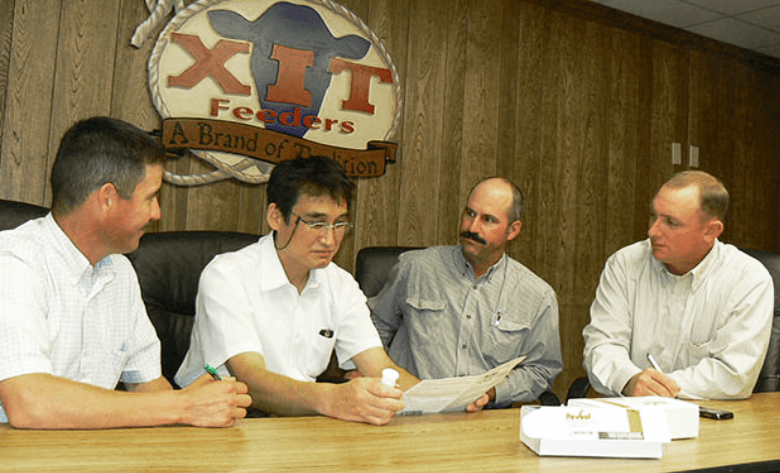
Zensho employees travel to the site to conduct audits and certifications.
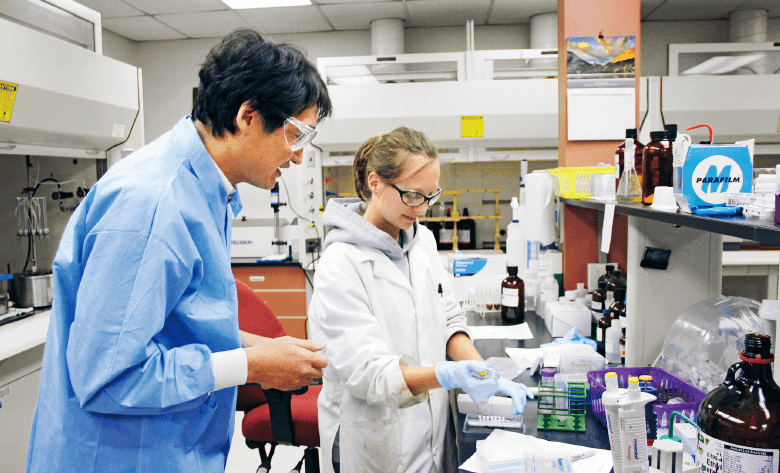
Based on a program designed by Zensho, ongoing testing is being conducted at local testing facilities.
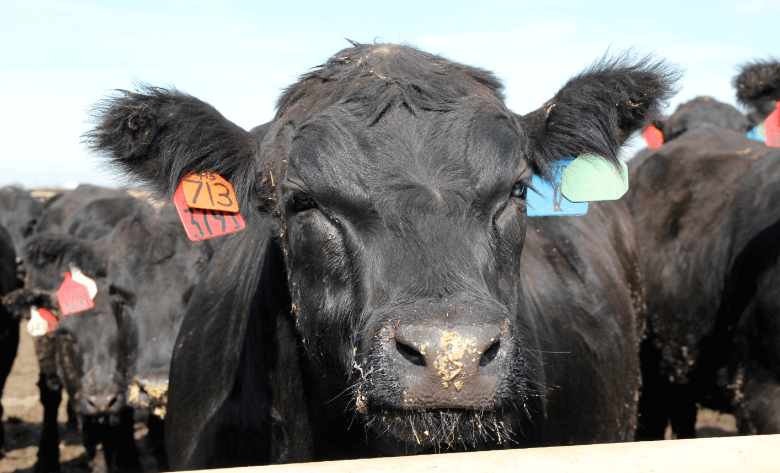
The cattle are managed using ear tags.
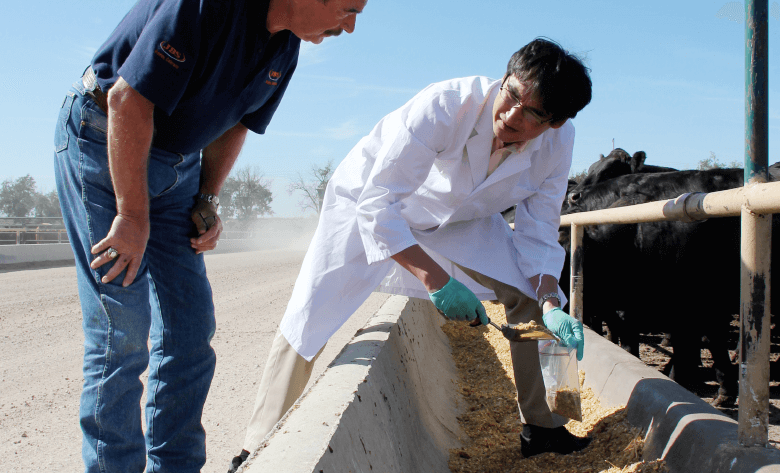
The feed samples used for testing are collected on the farm from the actual feed being given to the animals.
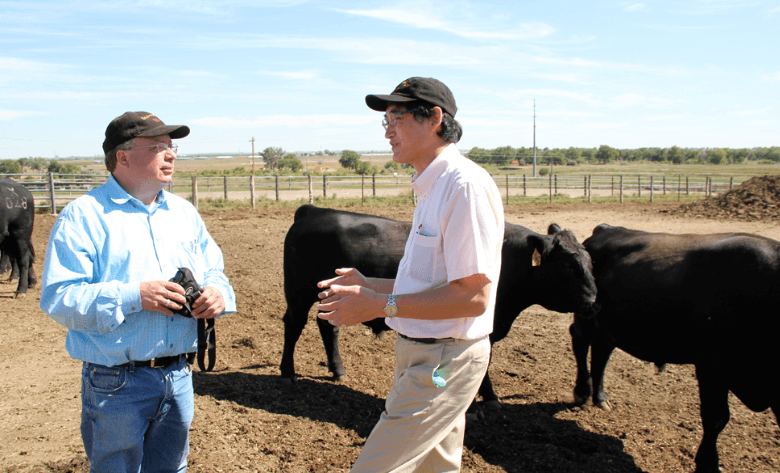
Furthermore, the farm conducted record checks and interviews.
United States, Australia, Canada, Mexico
Regarding BSE, various measures are being taken, including feed regulations in each country and the establishment of guidelines by international organizations.
Zensho Group has been addressing the BSE issue by constantly gathering the latest information, including understanding the assessments of various countries by the OIE (World Organisation for Animal Health) and the Food Safety Commission, conducting joint research on BSE with universities, and participating in the international NPO TAFS to exchange information on livestock infectious diseases, including BSE.
Before any transaction takes place, our employees visit the site to conduct an audit. At farms, they meticulously check the safety of the feed and the production records of calves, while at factories, they check hygiene conditions and the removal of specified hazardous materials. We also work to make our processing plants publicly accessible to third parties, which also serves as a learning support tool.
| Common Checklist | ||
|---|---|---|
| Venue | Confirmation details | |
| Breeding farm |
|
|
| Fattening farm |
|
|
| Processing plant |
|
|
| Transportation |
|
|
| Zensho Factory |
|
|
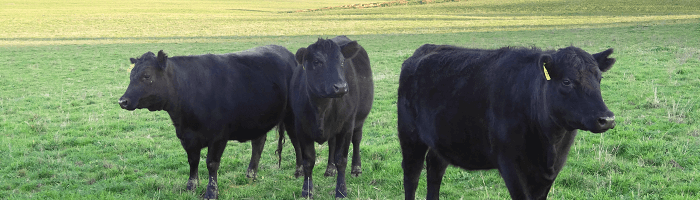
Zenshoen, a farm directly managed by Zensho Group in Tokachi, Hokkaido, provides a pristine natural environment for calves to grow up healthy in its pastures. Zensho Group has established regulations regarding livestock raising, including "livestock health management," "livestock barn hygiene management," "feed selection," and "rules for treating livestock with care (livestock welfare)." Based on these regulations, Zensho employees raise the animals.
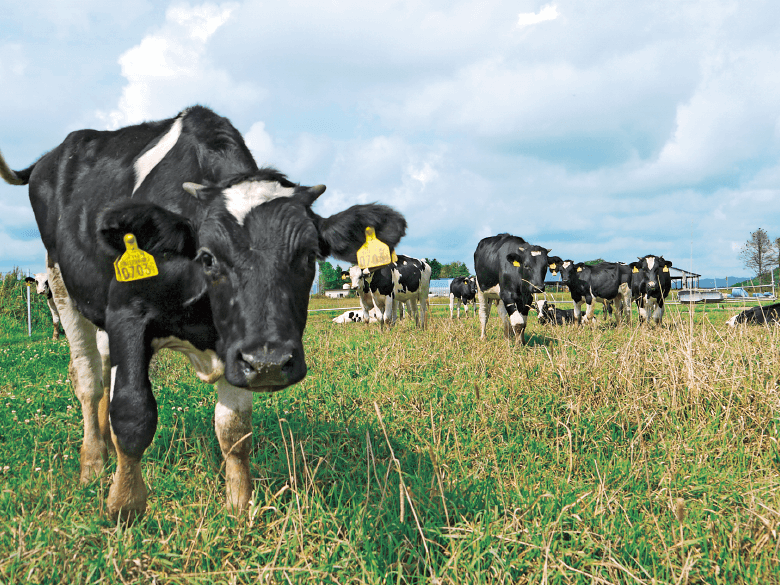
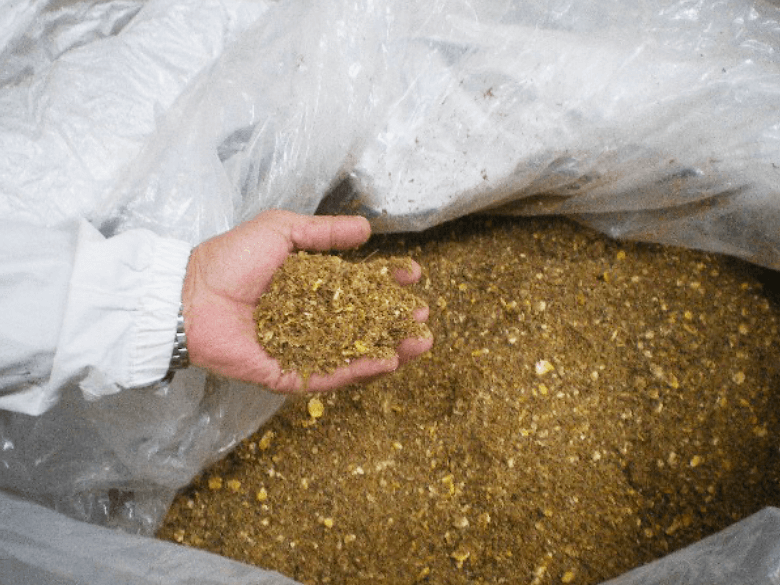
Leveraging our company's expertise, we feed our cattle a diet of plant-based ingredients such as corn, wheat, and soybean oil residue, fortified with minerals. Furthermore, we provide them with high-quality water and pasture grass produced on our own pastures in Tokachi, ensuring their healthy growth. Zensho 's auditors regularly visit our feed manufacturing plants and the beef processing plants to which our cattle are shipped, conducting rigorous audits of hygiene management, quality control, and legal compliance. Since Zensho Group also handles logistics, we ensure that storage conditions and temperature control during transportation are strictly managed.
Zenshoen's beef, which is managed in this consistent manner, is used in Zensho Group stores and sold in the group's supermarkets. Zenshoen's beef is safe and secure, with consistent management from farm to sales.
0-2 months old
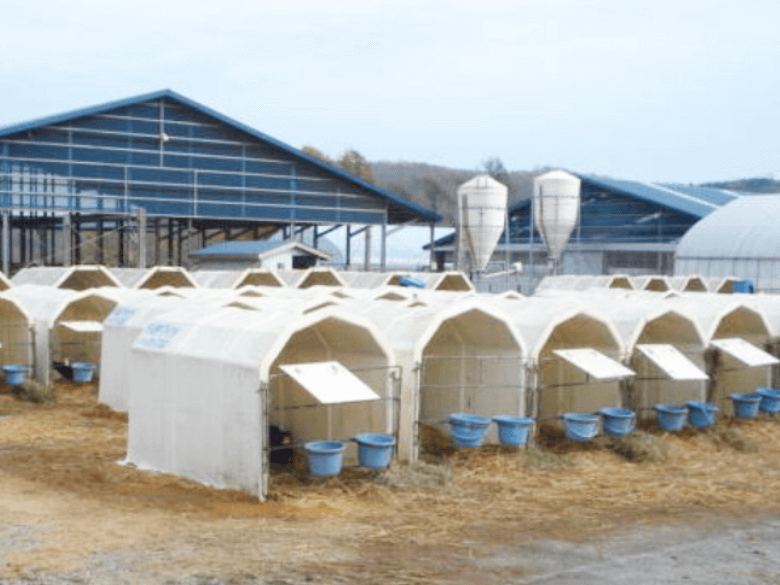
Each animal is kept in its own individual enclosure, called a calf hutch, where their physical condition and health are checked daily.
3 months to 20 months old
We feed our own brand of hay and carefully raise our livestock in barns.