See other ingredients
Beef
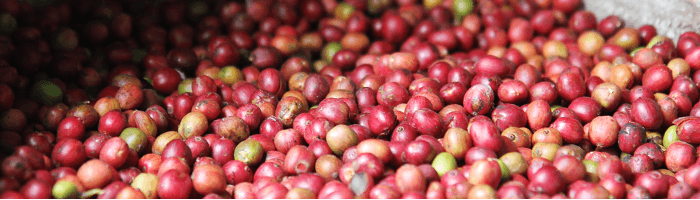
As part of its philosophy of "taking responsibility for the stability and development of human society through food and eradicating hunger and poverty from the world," Zensho Group sells fair trade coffee.
Coffee beans grown using natural methods.
Planting coffee plants around taller plants like banana trees protects the coffee plants from the strong tropical sun. Furthermore, the bananas provide food for people, and the leaves can be used for compost.
Traditional farming methods that involve cultivating crops between trees without using chemical fertilizers or pesticides do not disrupt the forest ecosystem.
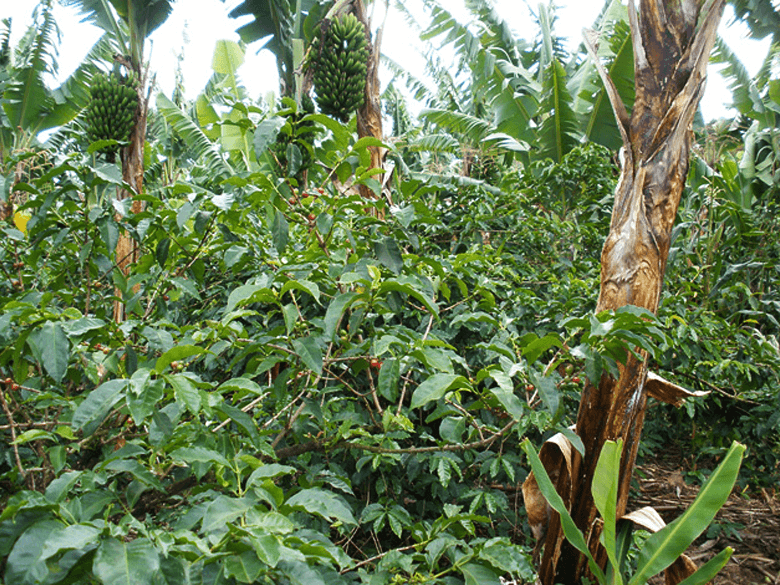
Furthermore, the area surrounding the production site boasts a rich natural environment free from human pollution, and the water from the mountains is clean enough to be used as drinking water.
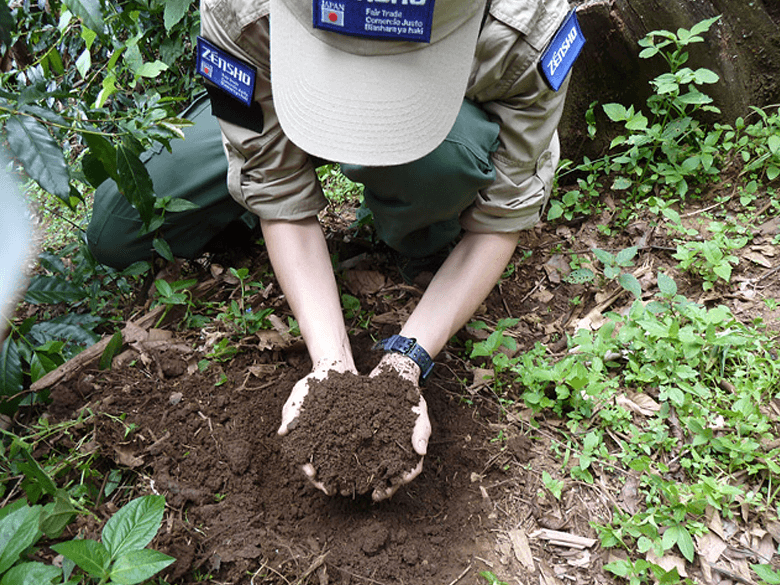
We conduct regular visits to production areas to interview producers and discuss cultivation methods to confirm safety, and we also conduct inspections in Japan to ensure safety.
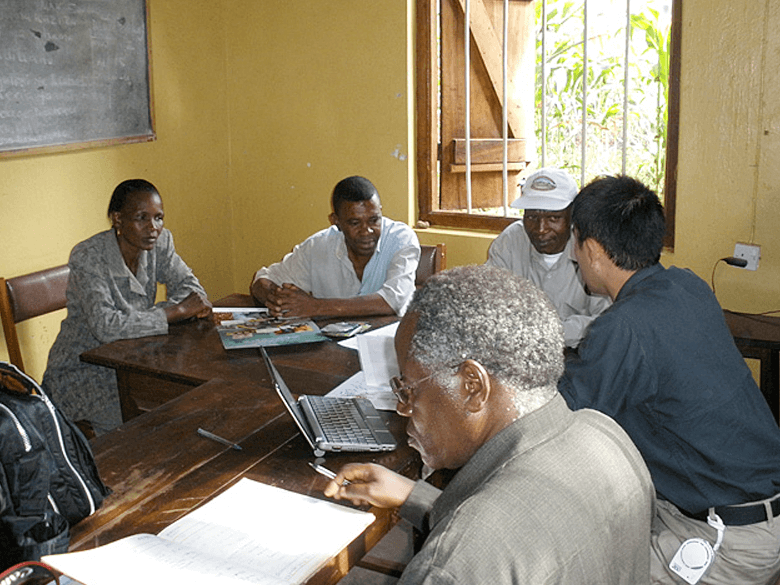
Zensho Group's fair trade coffee beans are purchased directly, without going through trading companies or other intermediaries.
Our employees regularly visit production areas to check everything from farmland and storage facilities to transportation and shipping ports.
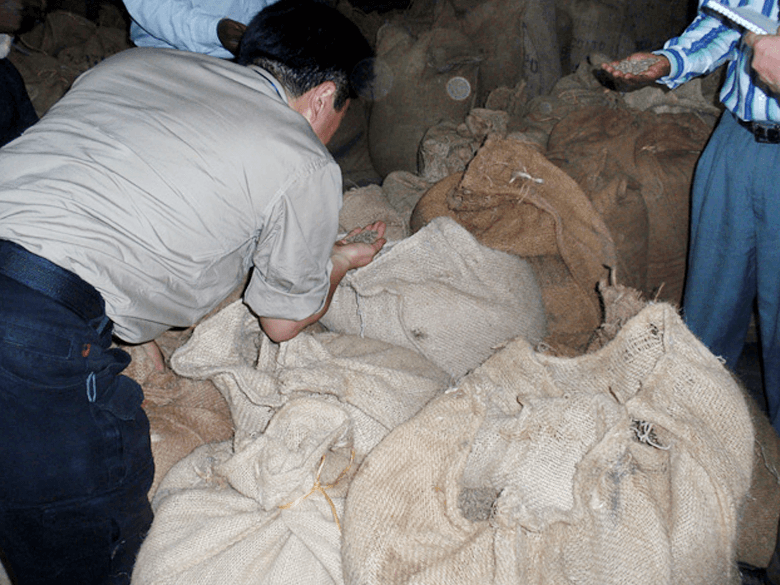
Coffee beans, packed in burlap sacks at the production site, are shipped to Japan by container ship.
During transport from hot regions near the equator, the temperature difference can cause condensation inside the container.
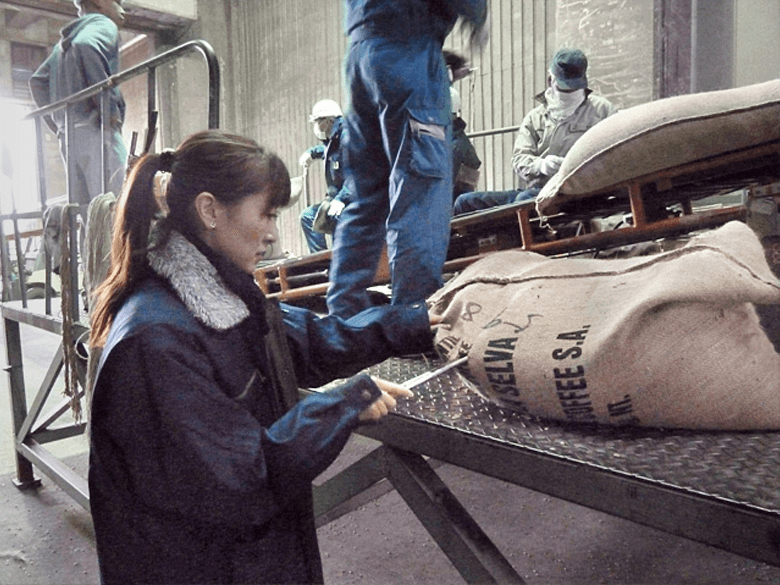
Because condensation can sometimes cause coffee beans to get wet or moldy, we check the quality every time we arrive at the port.