![We will continue to weave together the culture of the Lenka people [Honduras]](/jp/action/resource/img_250609_fairtrade_01.jpg)
Next article
Sukiya is providing warm Gyudon to areas affected by the Noto Peninsula earthquake.
![Making coffee producers' livelihoods sustainable [Peru]](/jp/action/resource/img_240305_fairtrade_01.jpg)
Since 2012, Zensho has been engaged in fair trade coffee with a producers' cooperative in northern Peru.
In July 2023, members of our Fair Trade team visited local coffee producers.
After a roughly 8-hour drive from Chiclayo Airport in Peru, you arrive in San Ignacio, Cajamarca Province, where the coffee is produced.
In the mountainous areas at altitudes of 1,150m to 1,800m, there are people who cultivate organic coffee in a naturally rich environment.
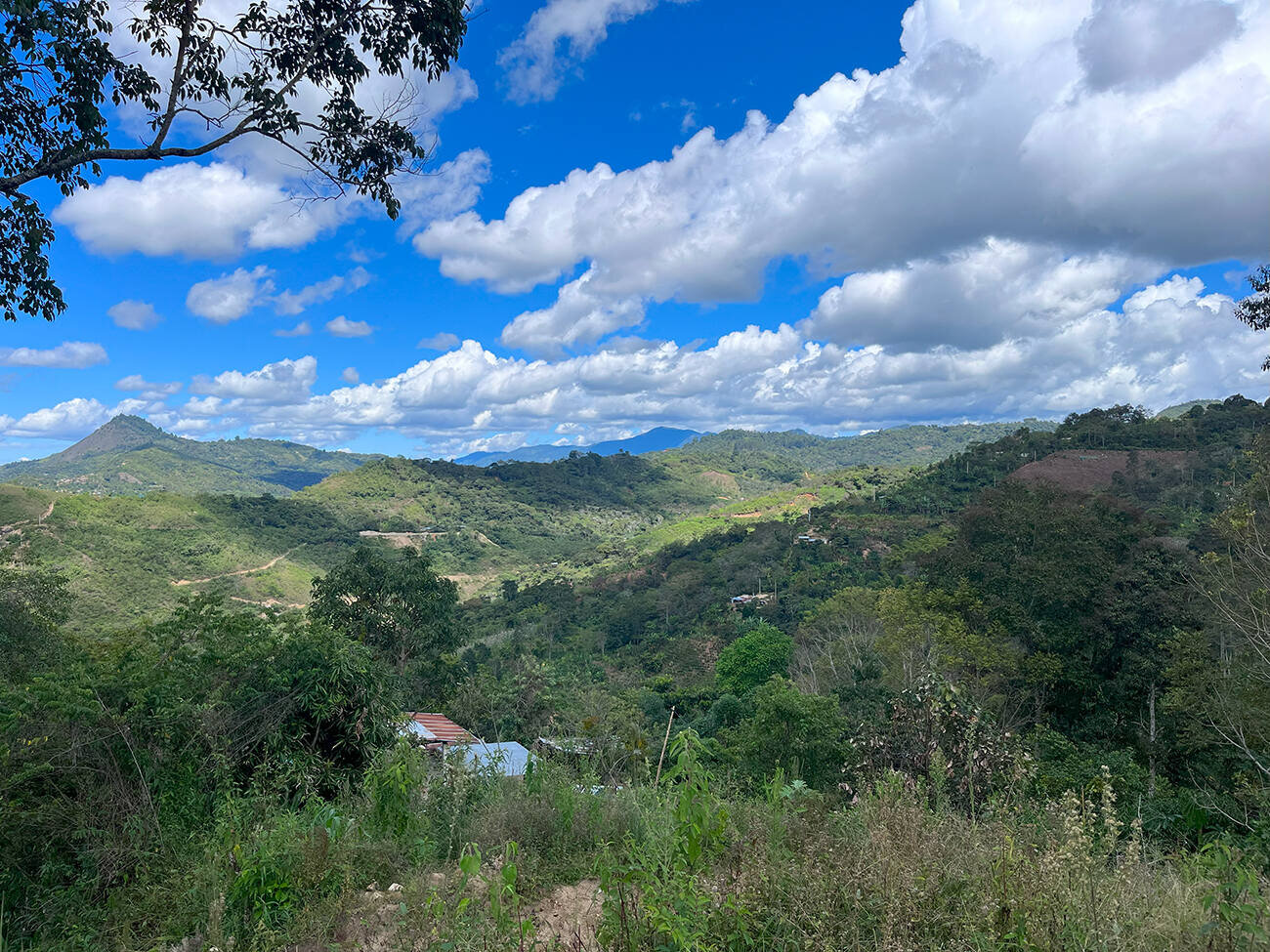
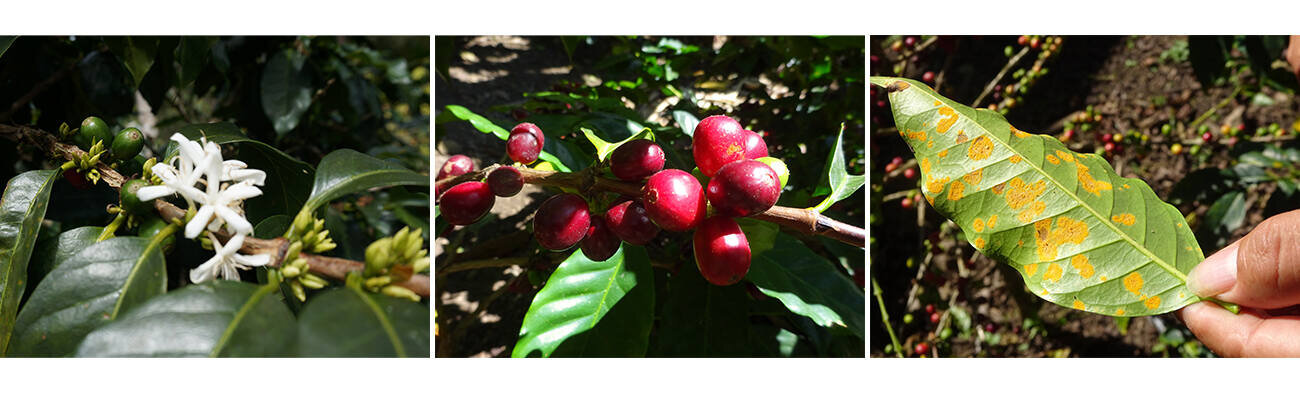
In recent years, the livelihoods of local coffee producers have been threatened by climate change. In coffee-producing regions, the boundary between the dry and rainy seasons has become blurred, and coffee trees that used to flower and bear fruit all at once now flower and bear fruit at the same time. As a result, the harvest season has been extended, increasing the risk of insect infestations and diseases such as coffee rust, making it even more difficult to maintain a stable yield.
On the other hand, like other coffee-producing countries in Central and South America, Peru is experiencing a boom in domestic coffee consumption. In Cajamarca province, where coffee is produced, there were only about three coffee shops in 2017, but that number has now grown to over 60. Per capita annual coffee consumption has also quadrupled compared to five years ago and continues to increase year after year, meaning that coffee available to us Japanese consumers may become increasingly precious in the future.
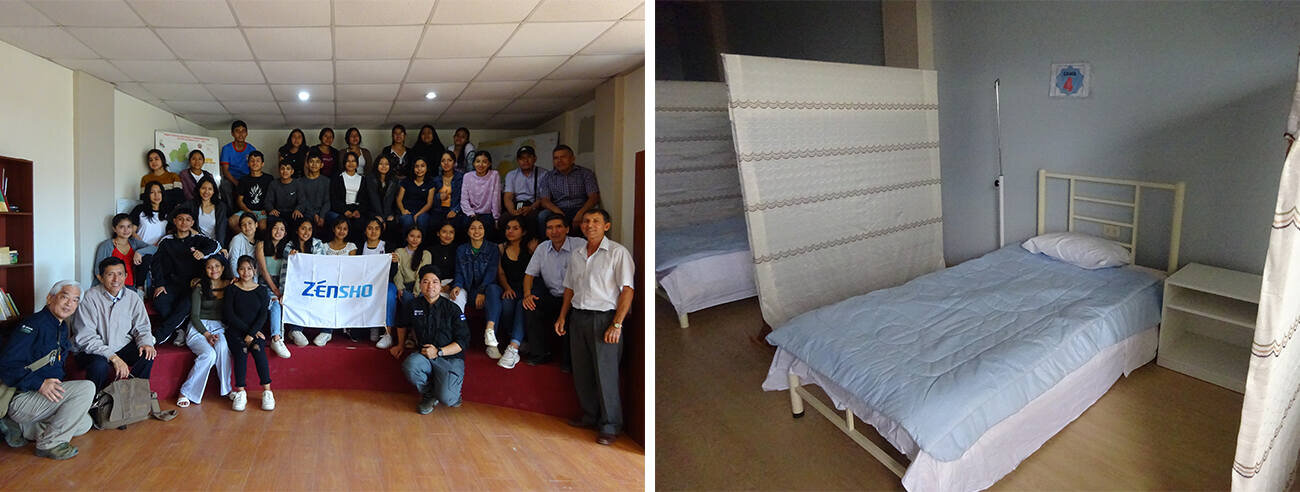
During this visit, we visited libraries and health care facilities that had been built using social development costs to check on their usage. The library, built in 2013, is still used by approximately 40 local children every day, and special classes are held there daily from 8:00 to 10:00 a.m. on weekdays. The health care facility, built as an emergency measure during the COVID-19 pandemic, is still being used as a resting space for people who are unwell.
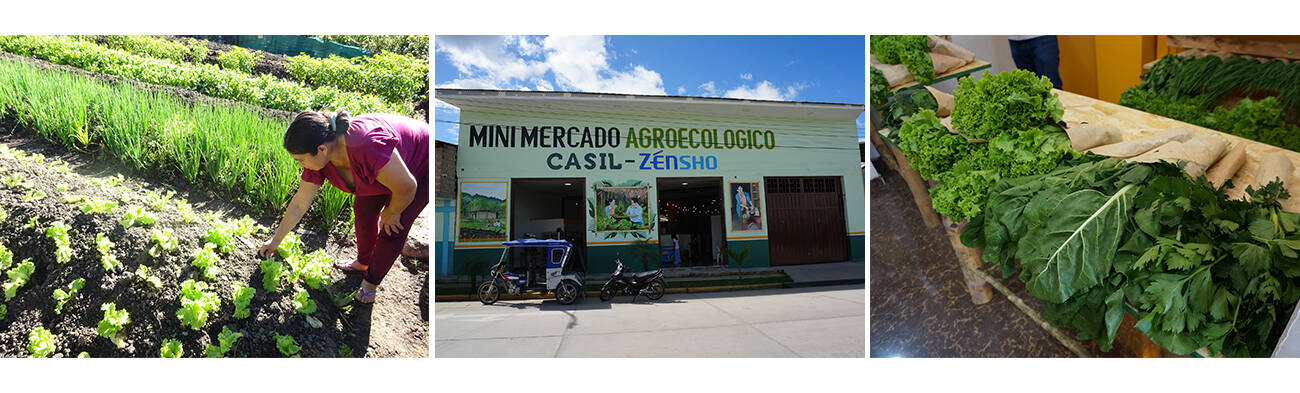
In 2021, a mini-market was opened next to the cooperative's office using social development costs. Fresh vegetables grown through the home garden project are sold there on a daily basis. While potatoes, tomatoes, and citrus fruits are available at local shops, fresh leafy greens are scarce, making the market very popular with visitors. For producers, it has become a valuable source of income beyond coffee.
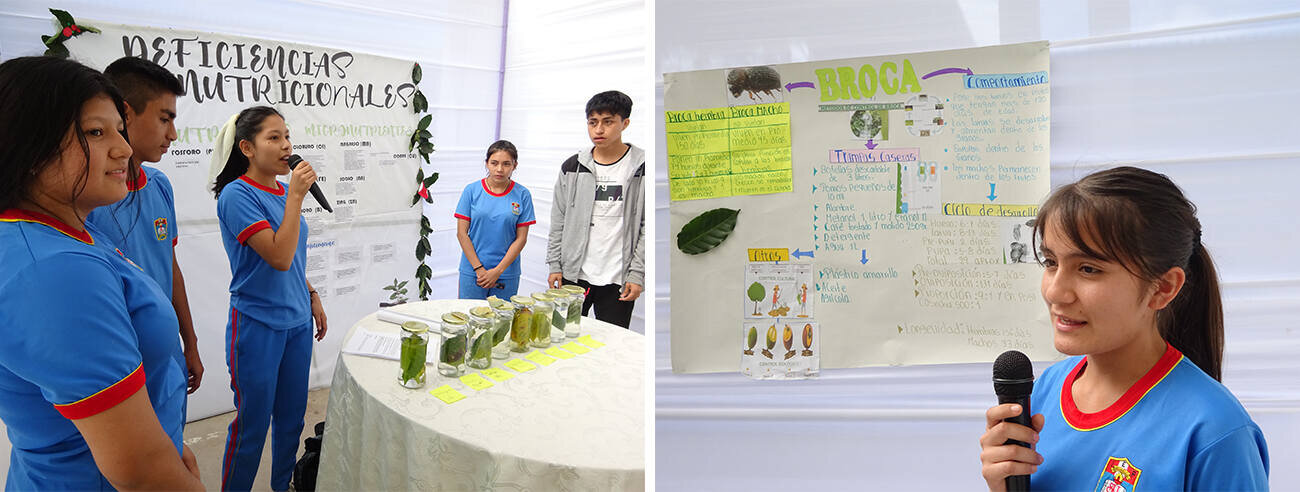
One producer said, "It's important to continue producing coffee in a sustainable way, together with the children who will lead the next generation." Local schools are conducting classes on agriculture to encourage more children to want to work in agriculture in the future. When we actually visited a high school, students were giving presentations and actively talking about the research they had done on agriculture.
Zensho will continue to engage in fair trade practices while staying close to the livelihoods of producers.
Share this article


![Aiming for fair trade that gives women's voices a chance to shine [Burundi]](/jp/action/resource/img_260528_fairtrade_01.jpg)
![Creating a sustainable society through environmentally conscious coffee production [Tanzania]](/jp/action/resource/img_260312_fairtrade_01.jpg)