![Sustainable initiatives developed in collaboration with the local community [Rwanda]](/jp/action/resource/img_fairtrade_2609_01.jpg)
Next article
A presentation at a symposium on food allergies.
![Improving the income of tea producers [Kenya]](/jp/action/resource/img_250313_fairtrade_01.jpg)
In September 2024, members of the Fair Trade Department visited a tea-producing region in Kenya to check on production conditions and the progress of social development activities.
Zensho has been engaged in fair trade with Kenya for tea since July 2009. Partnering with local companies, they purchase tea through fair trade from two districts: Kangaita and Rukuriri.
Kenya, located in East Africa, is projected to achieve approximately 6% GDP growth in 2023 compared to the previous year, once the COVID-19 pandemic subsides. However, the gap between urban and rural areas is said to be widening. Tea pickers still earn around 600 yen per day, indicating that there is still a need for improved living conditions.
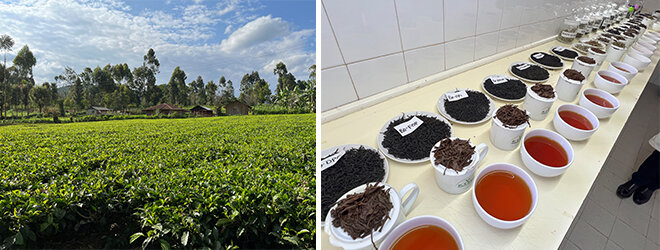
Kenya, the world's second-largest producer of tea after India, produces high-quality tea. While Kenyan tea is often blended with tea leaves from other countries, Zensho uses only Kenyan tea leaves to create products that highlight the unique characteristics of the tea grown in each region, and offers them at its group stores.
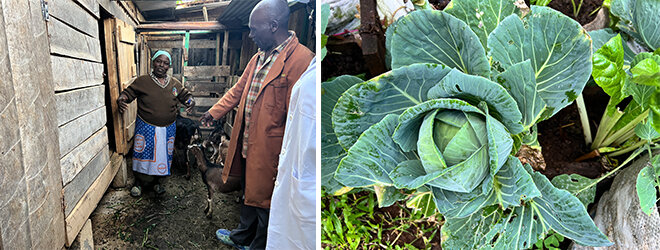
In the producing regions, initiatives utilizing social development costs through fair trade* are being implemented according to the specific circumstances of each area. In the Kangaita district, located south of Mount Kenya, which rises in the center of the country, a total of 250 goats were purchased and distributed to each household with the aim of improving producers' incomes and the nutritional value obtained from food. A local producer said, "Goat's milk is highly nutritious and supports the growth of children. Goats are prolific breeders and their numbers increase easily, so by selling the surplus milk, we were able to increase our income and purchase new livestock." Producers also make fertilizer from organic matter derived from livestock and use it in their home gardens.
* social development costs: This refers to the portion of the raw material purchase price that is allocated to various activities aimed at improving the lives of local people.
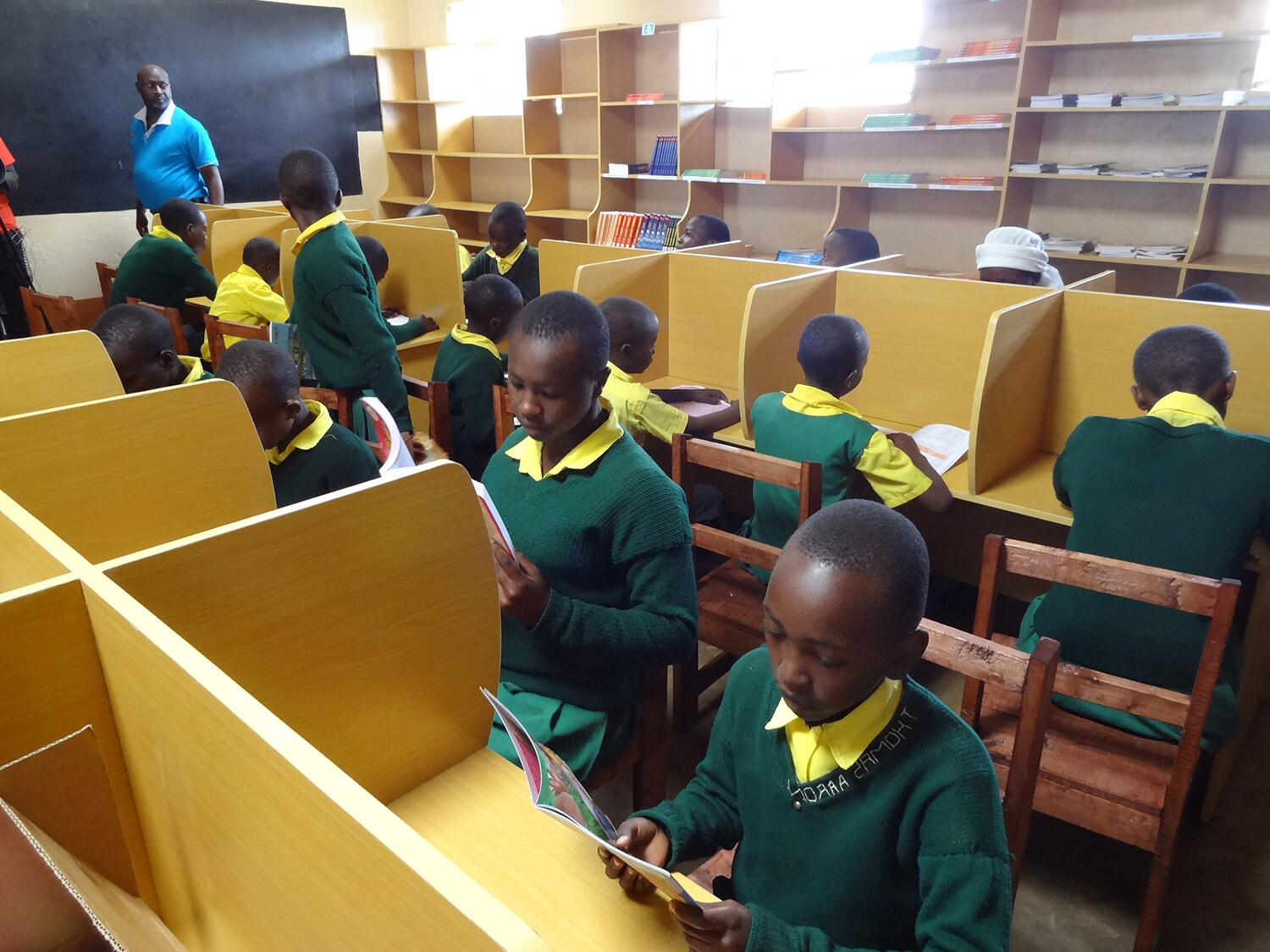
In the Lukriri district, about an hour and a half's drive from the Cangaita district, a classroom that had been used as a storage room at a primary school was converted into a library in 2019, furnished with desks and books. This has created a comfortable learning environment for the children.
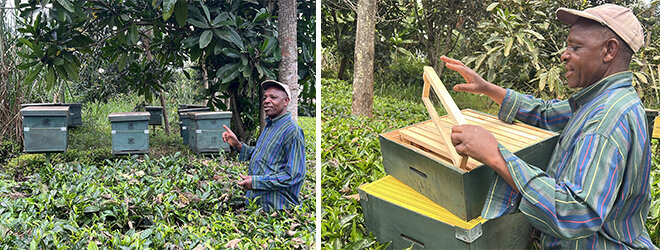
In addition, with the aim of improving producers' incomes, 100 beehives were installed at farms. Bees have already built nests in about half of the hives, and producers are increasing their income by selling the harvested honey in the domestic market.
One producer said, "The beekeeping project is essential not only for increasing our income but also for pollinating our vegetables and fruit trees. We are pleased that members of Zensho 's Fair Trade Department visited us in person. We hope that this project will continue in the future."
Zensho will continue to engage in fair trade with Kenya, while staying close to the conditions in the production area.
Share this article


![Organic farming protects the land and the livelihoods of producers [Mexico]](/jp/action/resource/1.jpg)