![Sustainable initiatives developed in collaboration with the local community [Rwanda]](/jp/action/resource/img_fairtrade_2609_01.jpg)
Next article
Building the future of coffee production and the region through education and agriculture [Peru]
![A fence was installed at the elementary school attended by the children of producers [Ecuador].](/jp/action/resource/img_250731_fairtrade_01.jpg)
In November 2024, members of the Fair Trade Department visited coffee-producing regions in Ecuador.
Zensho has been working with coffee producers in Ecuador on fair trade initiatives since 2011.
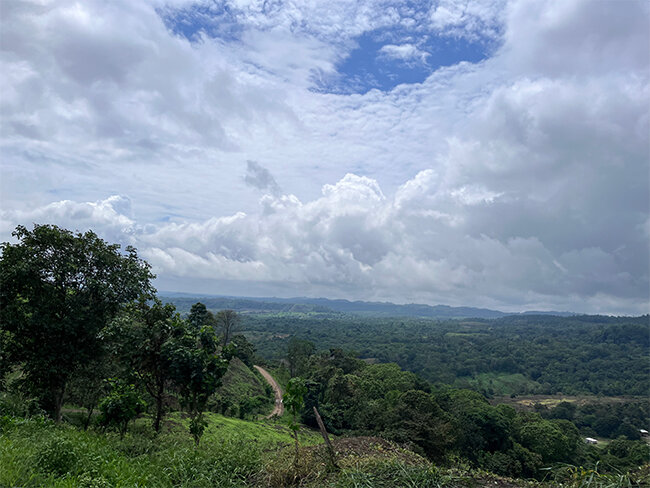
Ecuador is located in South America, between Colombia and Peru. With an area of 256,000 square kilometers, it is roughly the size of Japan's Honshu and Kyushu islands combined, and is known as a producer of cocoa and bananas.
In neighboring countries like Peru and Bolivia, coca leaves are legally cultivated as an ingredient for coca tea, which is consumed by indigenous people to prevent altitude sickness and relieve fatigue. These coca leaves are occasionally smuggled and processed into cocaine in neighboring countries. Due to this geographical location, Ecuador sometimes serves as a transit point for drug trafficking, and some areas continue to face security challenges.
Furthermore, with approximately 80% of the country's electricity consumption dependent on hydroelectric power, power shortages are also a problem, with frequent blackouts occurring even in urban areas due to droughts and other factors.
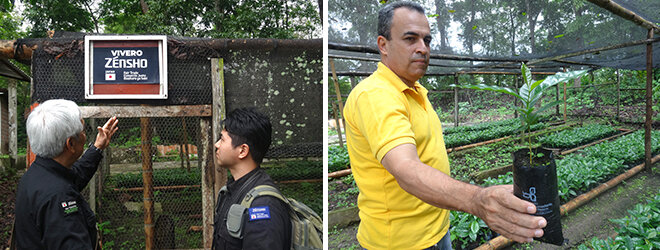
The coffee producers collaborating with Zensho cultivate coffee in Cascol, a region about a two-hour drive from Guayaquil, Ecuador's largest port city.
When Zensho first started its fair trade initiatives, there were few elementary schools in the region, and the producers' children were unable to attend school. Therefore, Zensho used social development costs * to construct a total of 13 schools and 15 classrooms in seven settlements.
In subsequent social development activities, we have undertaken initiatives such as growing and distributing new coffee seedlings at nurseries to producers whose coffee production had decreased due to coffee rust disease that spread rapidly as a result of the El Niño phenomenon.
* social development costs: This refers to the portion of the raw material purchase price that is allocated to various activities aimed at improving the lives of local people.
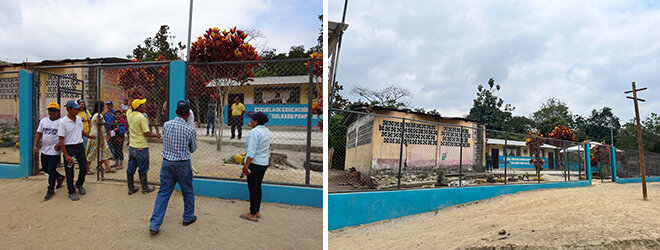
During this visit, members of the Fair Trade Department visited San Pablo Primary School, one of the schools they have built so far, which is attended by 20 children of producers. The school is located near a drug trafficking route, and many parents were concerned about their children's safety, so social development costs were used to install a fence to prevent outsiders from entering.
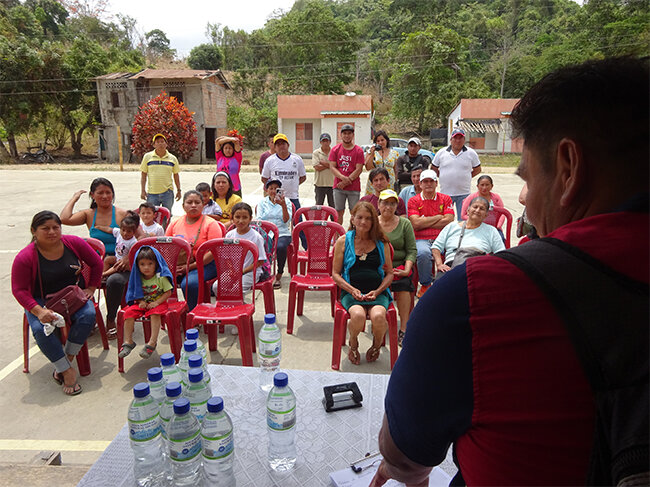
One of the female producers said, "We are grateful for Zensho 's initiative. We too are affected by the turmoil happening around the world right now. Adults are working hard every day to protect our peaceful daily lives. The continuation of this initiative is necessary to protect the safety of our children."
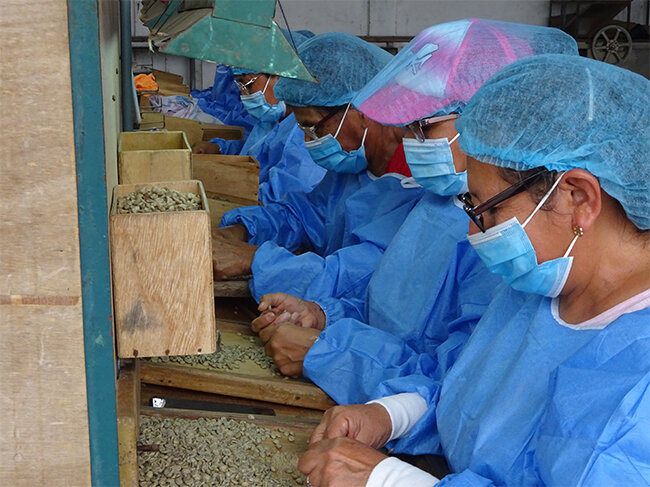
The Fair Trade team also inspected the secondary processing plant for coffee beans. Zensho imports organically grown coffee beans from Ecuador. By manually sorting the green beans, they ensure employment for women while delivering safe and secure coffee to their customers.
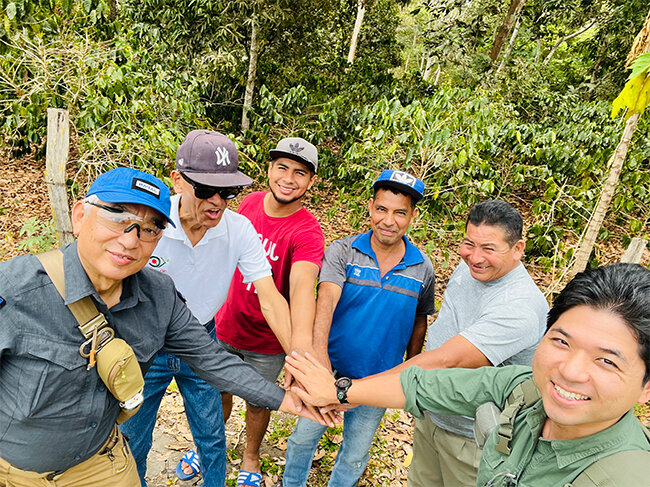
Zensho will continue its fair trade initiatives in Ecuador in cooperation with producers.
Share this article


![Organic farming protects the land and the livelihoods of producers [Mexico]](/jp/action/resource/1.jpg)