![We will continue to weave together the culture of the Lenka people [Honduras]](/jp/action/resource/img_250609_fairtrade_01.jpg)
Next article
Use pizza as a conversation starter
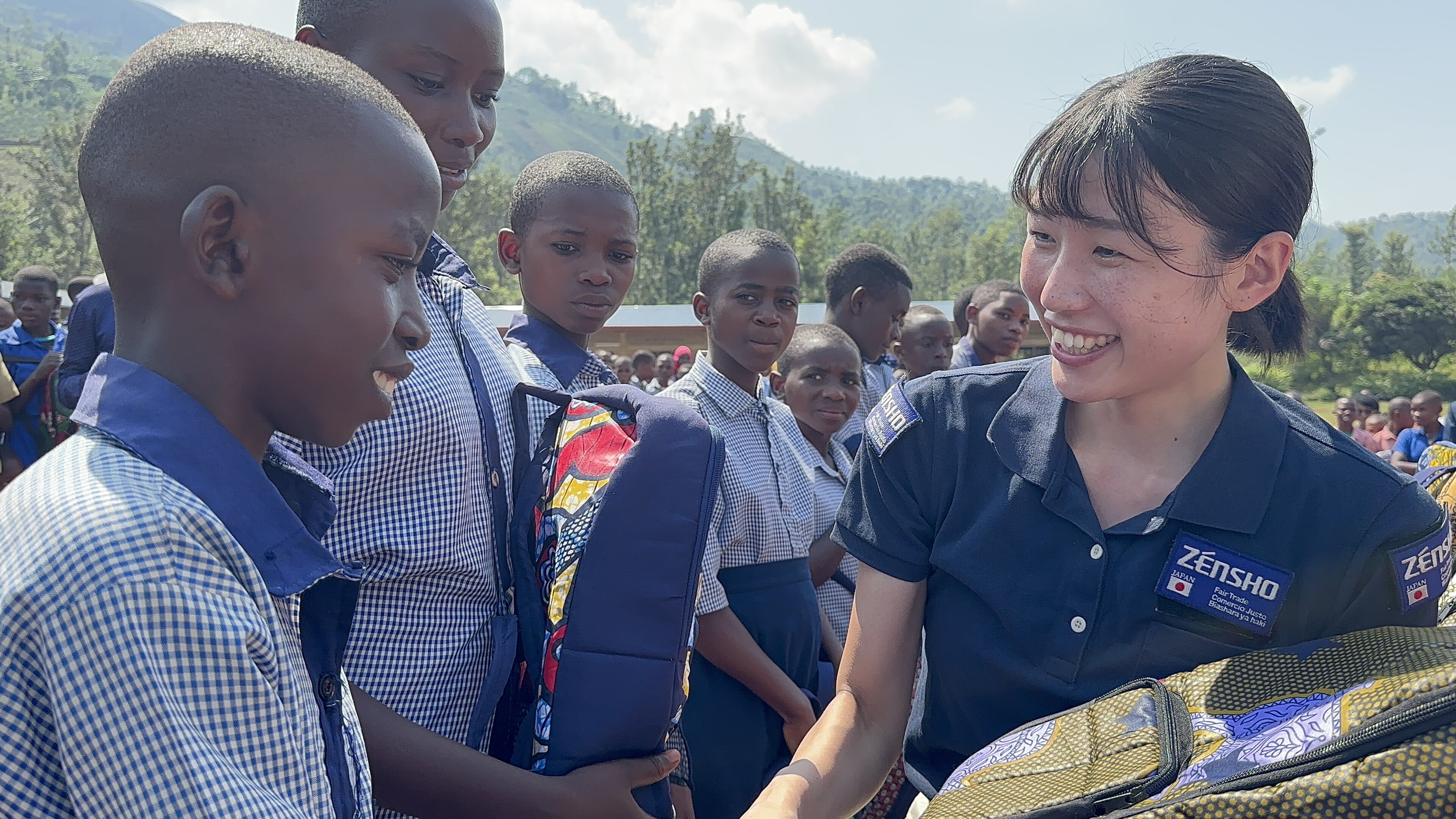
In May 2024, I visited a coffee-producing region in Rwanda.
In 1994, Rwanda experienced a genocide due to conflict between two ethnic groups, the Tutsi and the Hutu.
Approximately 10-20% of the entire population lost their lives.
Every time Zensho travels to Rwanda, they visit the Genocide Memorial and pray that a similar tragedy will never happen again.
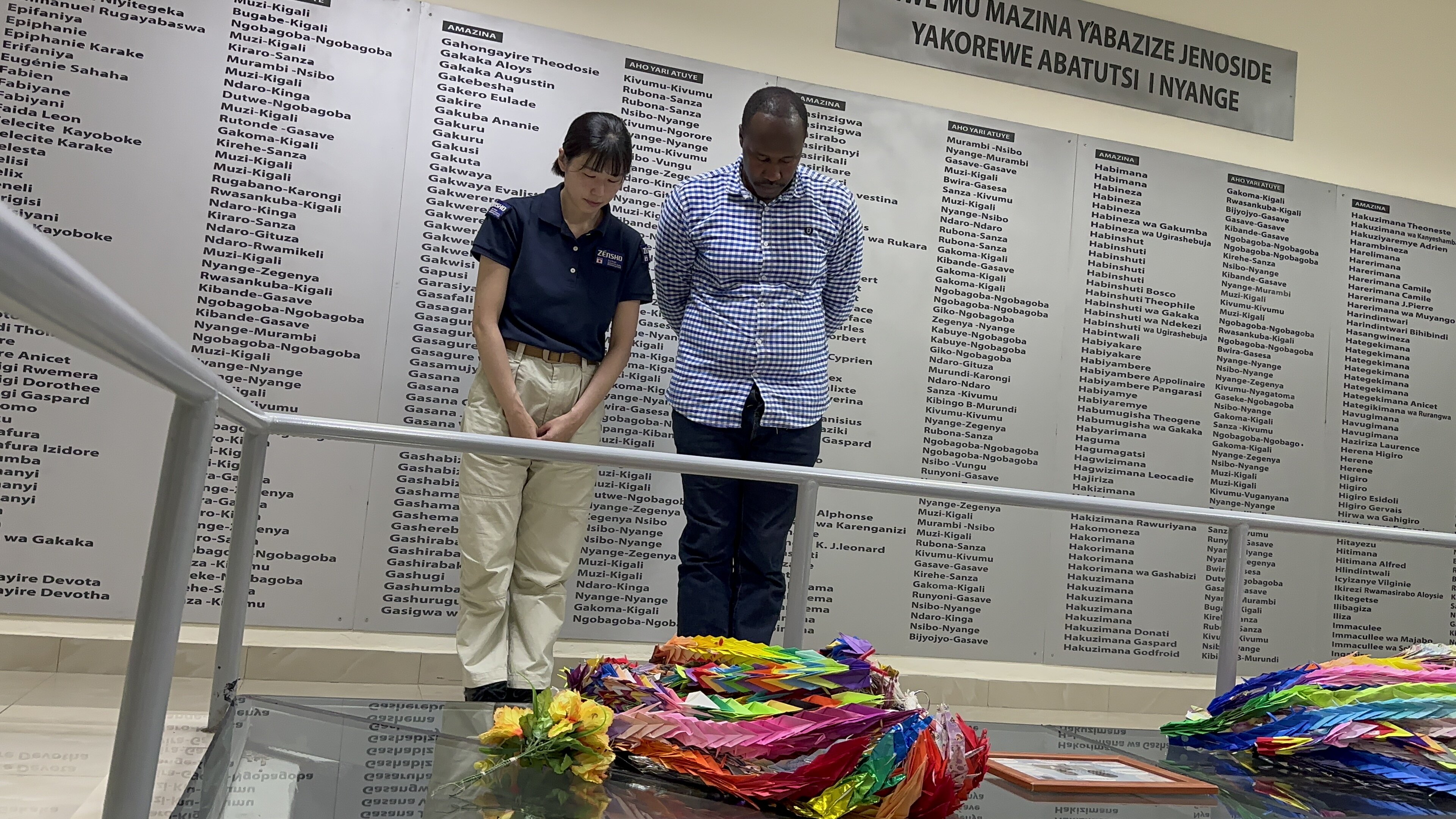
2024 marks the 30th anniversary of the genocide.
We visited several genocide memorials and offered 1,000 paper cranes folded by Zensho Group customers, business partners, and employees.
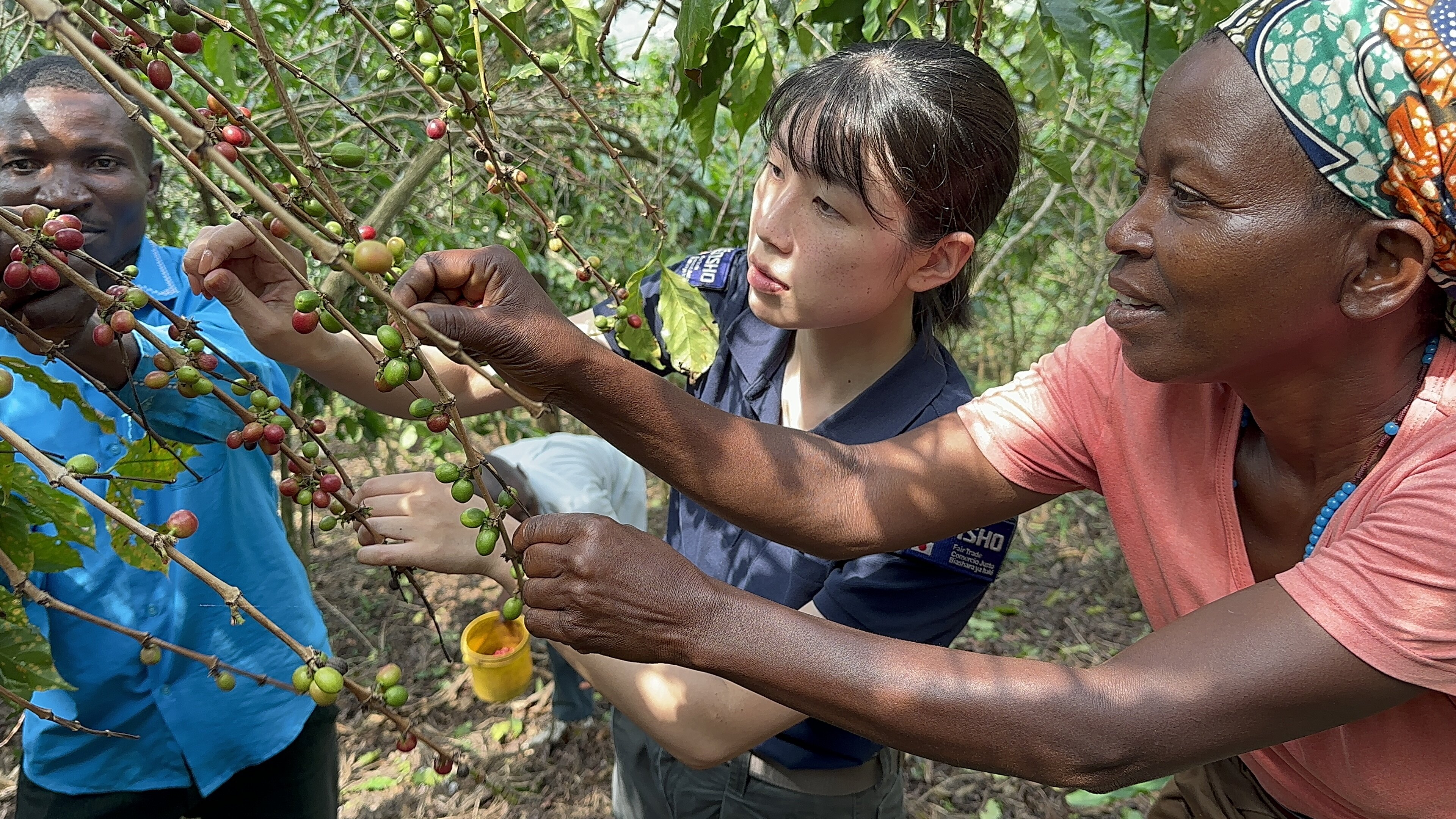
In addition, during this visit, we confirmed production and processing conditions in existing and new production areas, and inspected initiatives utilizing social development costs.
* social development costs: This refers to the portion of the raw material purchase price that is allocated to various activities aimed at improving the lives of local people.
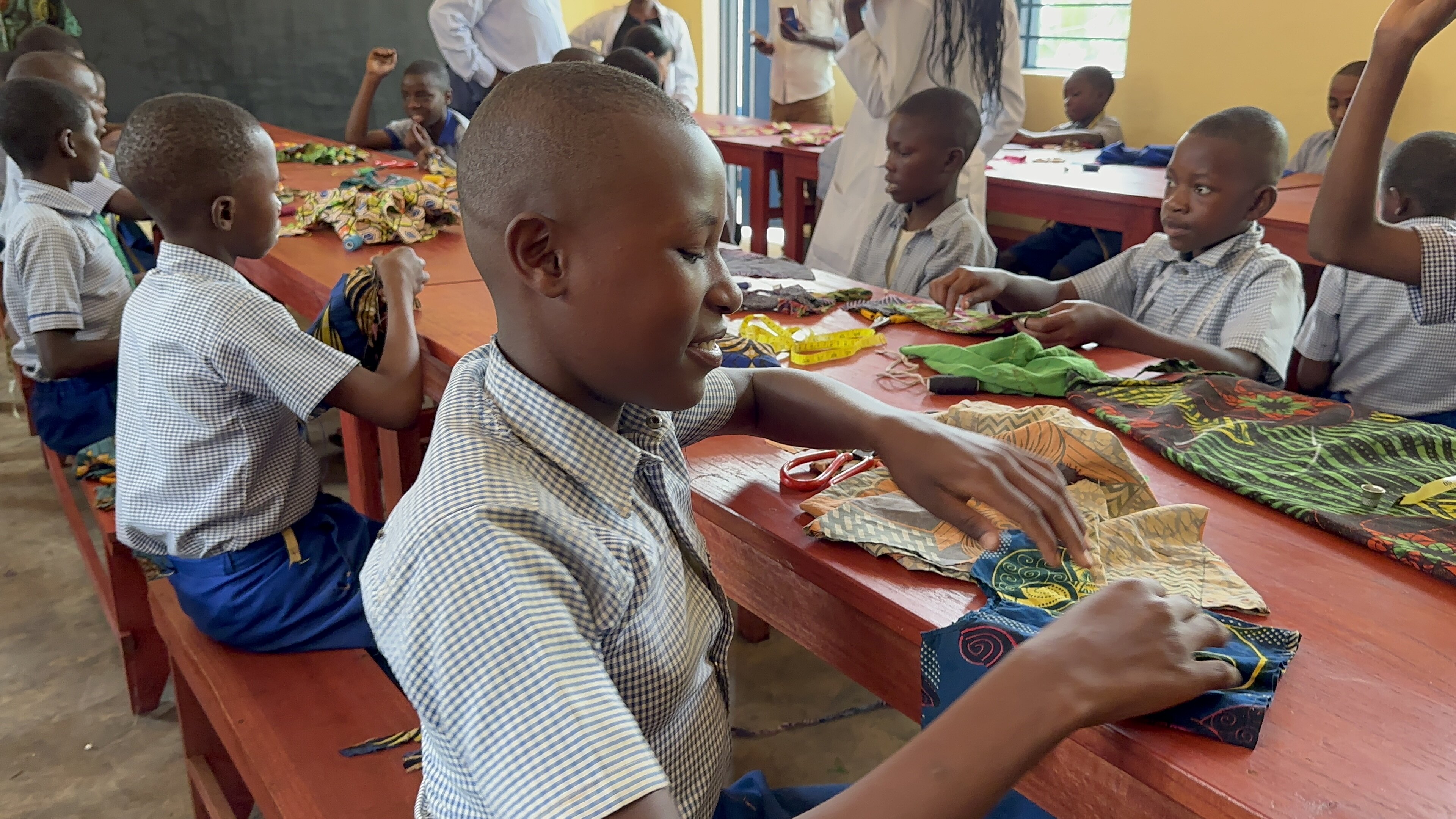
The home economics class initiative, which began in one elementary school in 2017, is now being implemented in seven schools.
During the visit of members from the Fair Trade Department, students from seven schools gathered at one school for a joint presentation on home economics classes.
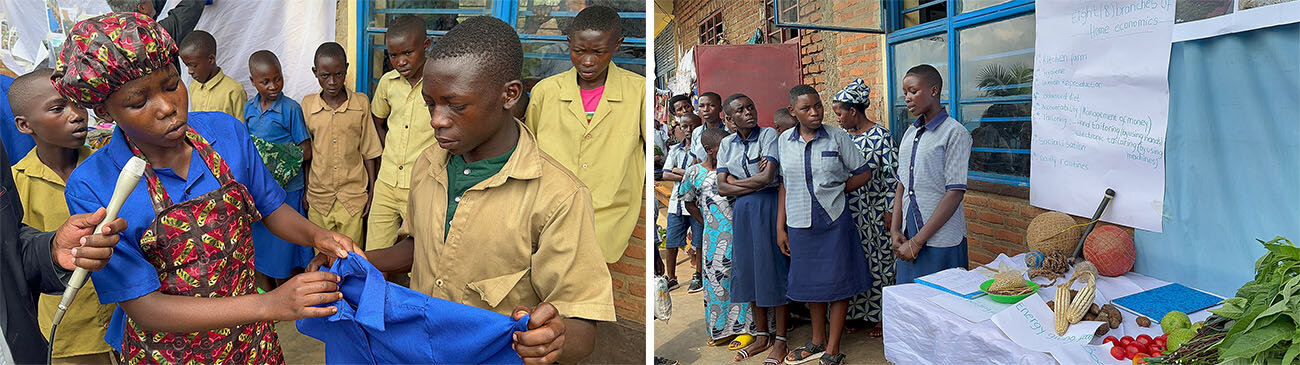
This presentation event was started with the aim of allowing students and teachers from different schools to learn from each other's work.
This time, the students gave presentations on topics such as the clothes they made themselves and the nutritional content of ingredients they can grow in their home gardens.
When the participating students said that the home economics class was "useful for cooking vegetables grown in our home garden and keeping our homes clean," the Fair Trade Club members realized that the students were learning things that are useful in their daily lives.
A member of the Fair Trade Department shared their hopes for the future, saying, "Through this home economics class, we hope that the natural environment where people work together without discrimination based on ethnicity or gender will continue for a long time to come. We want to continue working steadily on projects that will become the foundation of peace in Rwanda."
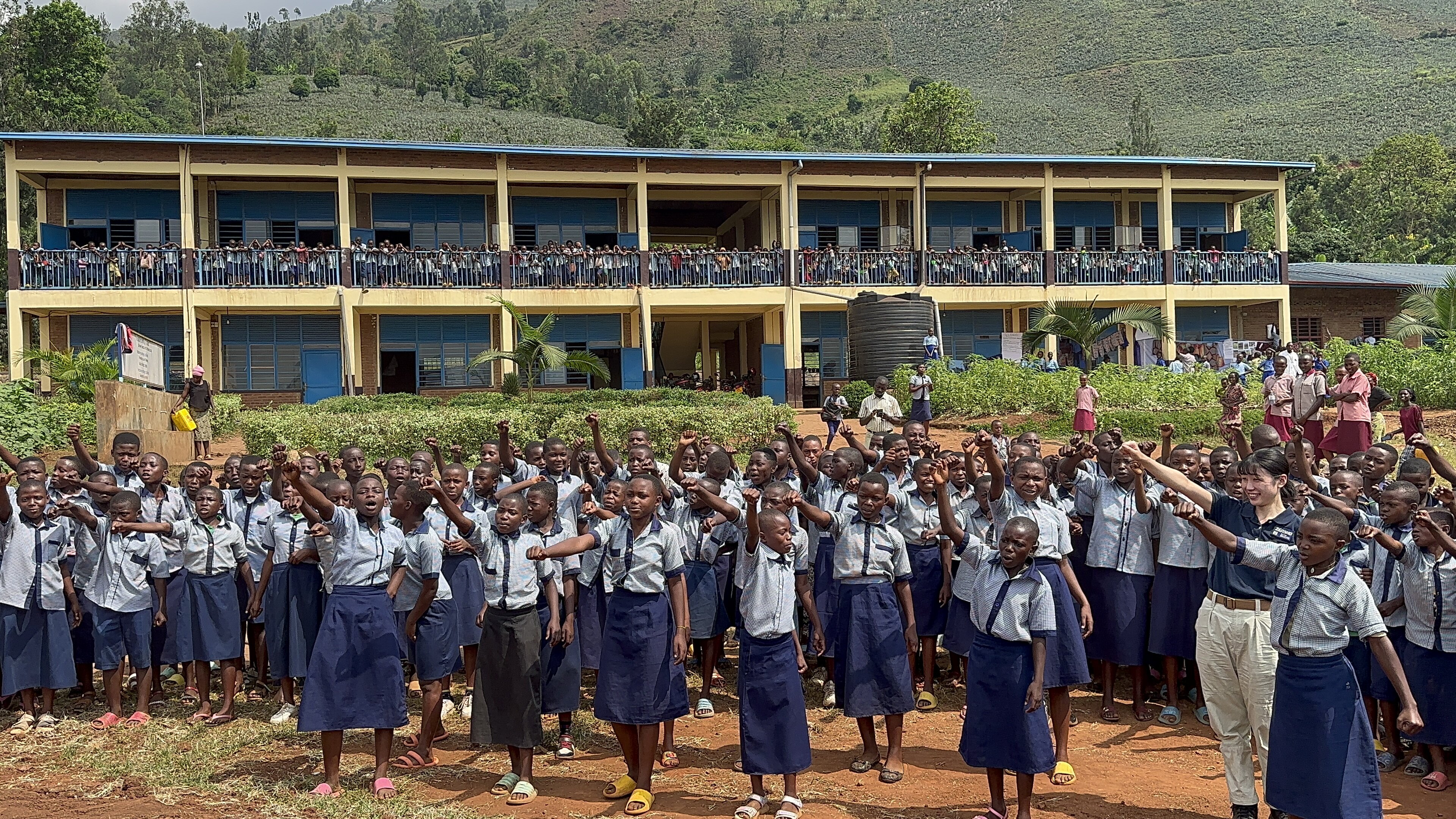
Zensho will continue to work closely with producers and local people, and engage in activities that contribute to the sustainable development of local communities.
Share this article


![Aiming for fair trade that gives women's voices a chance to shine [Burundi]](/jp/action/resource/img_260528_fairtrade_01.jpg)
![Creating a sustainable society through environmentally conscious coffee production [Tanzania]](/jp/action/resource/img_260312_fairtrade_01.jpg)