![We will continue to weave together the culture of the Lenka people [Honduras]](/jp/action/resource/img_250609_fairtrade_01.jpg)
Next article
Uganda clinic celebrates its first anniversary!
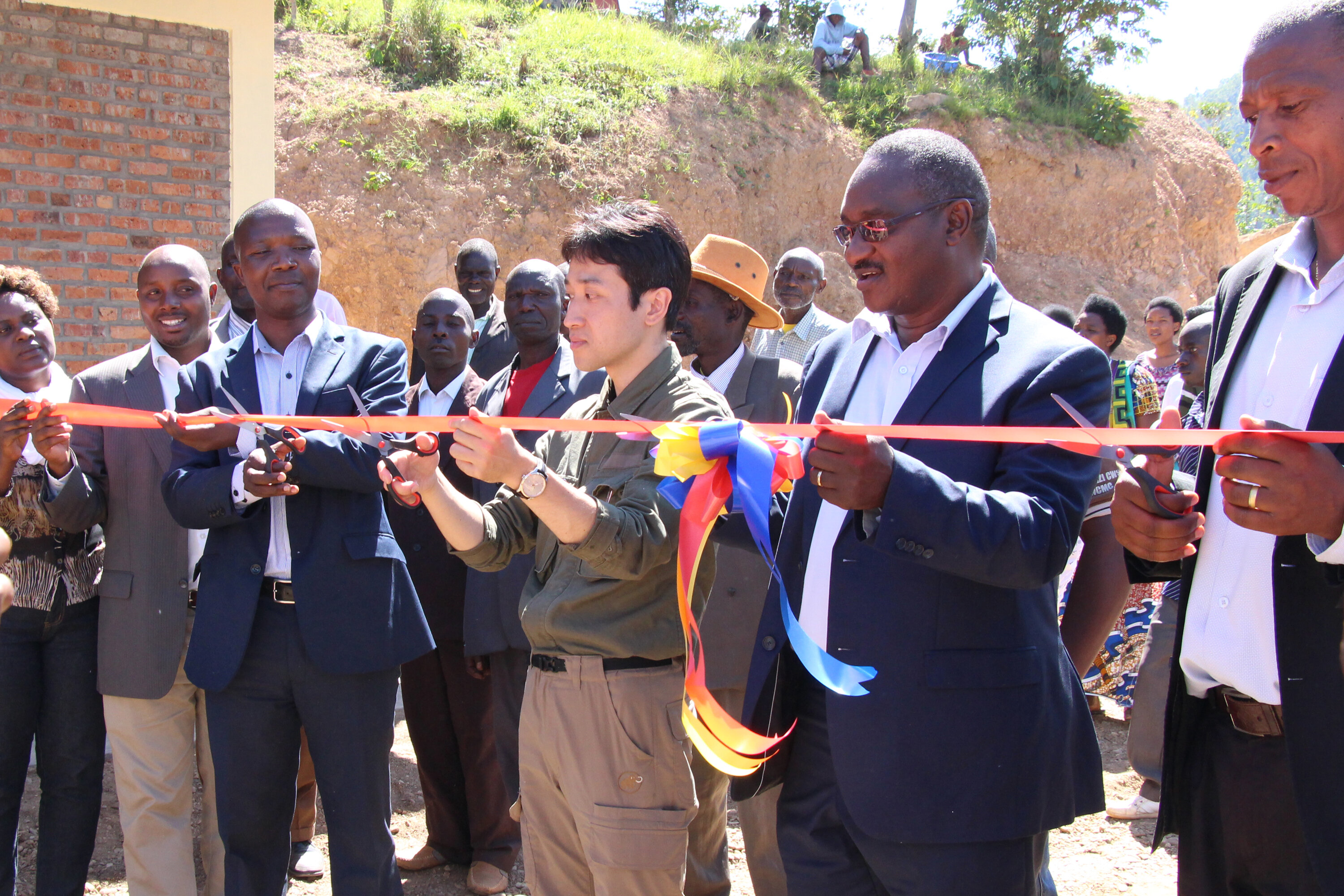
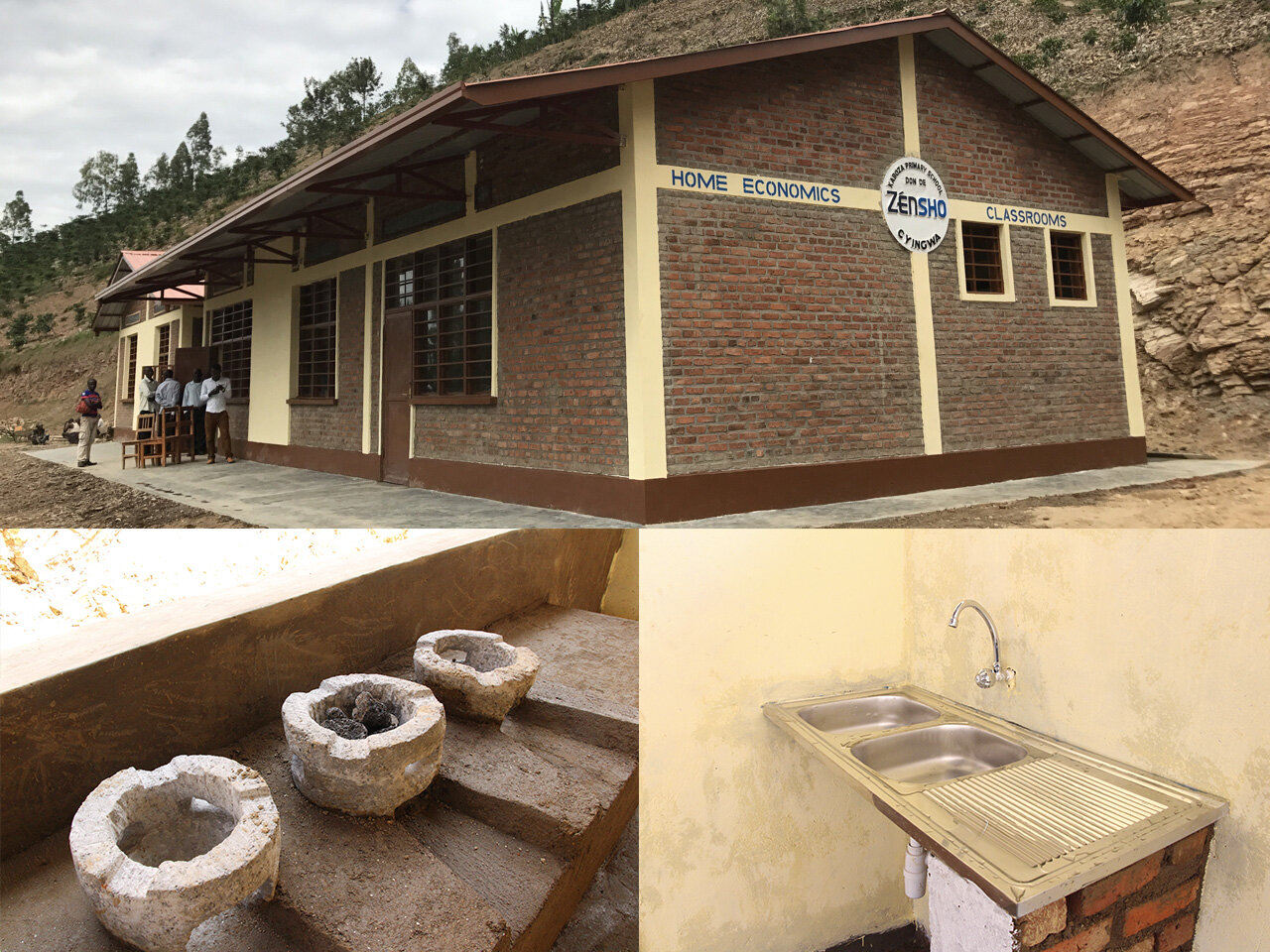
In May 2017, a home economics classroom was completed at a primary school in rural Rwanda. Employees from Zensho Holdings and Mr. Munyura, the local partner for this project, were invited to the completion ceremony and participated in the ribbon-cutting.
The home economics classroom includes a cooking room equipped with a stove and sink, as well as a room exclusively for girls. Here, approximately 250 students learn cooking, sewing, and practical life skills.
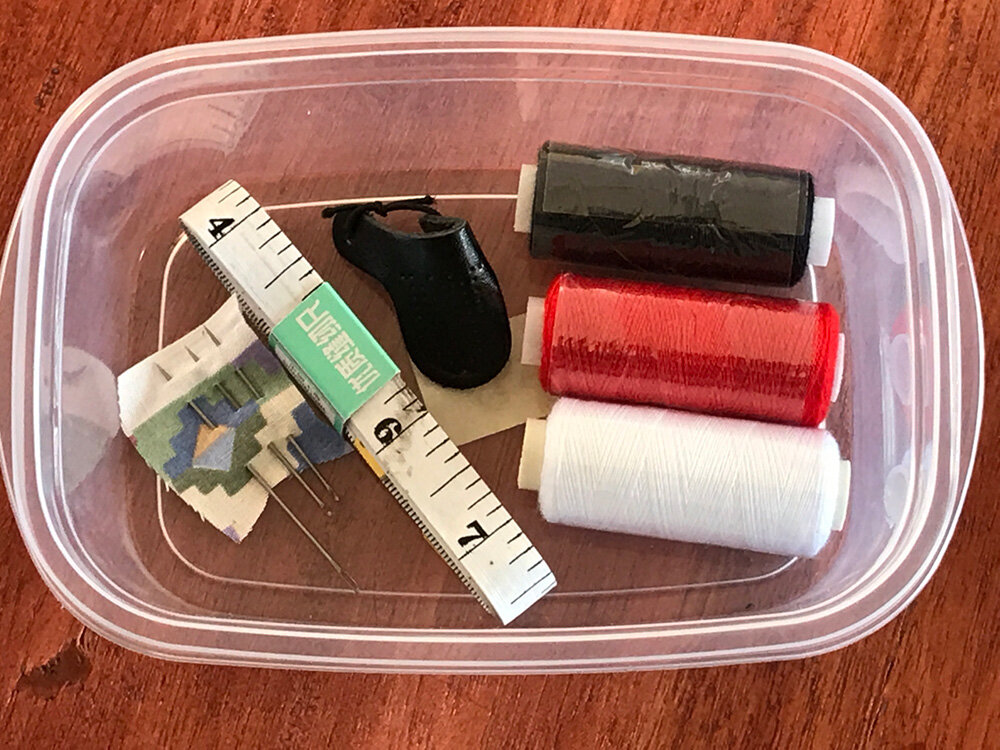
On the day of the event, Zensho employees conducted a sewing lesson as a demonstration. For the lesson, Zensho presented the children with a sewing kit containing a needle, thread, measuring tape, and thimble. The children were very happy to receive the sewing kit.
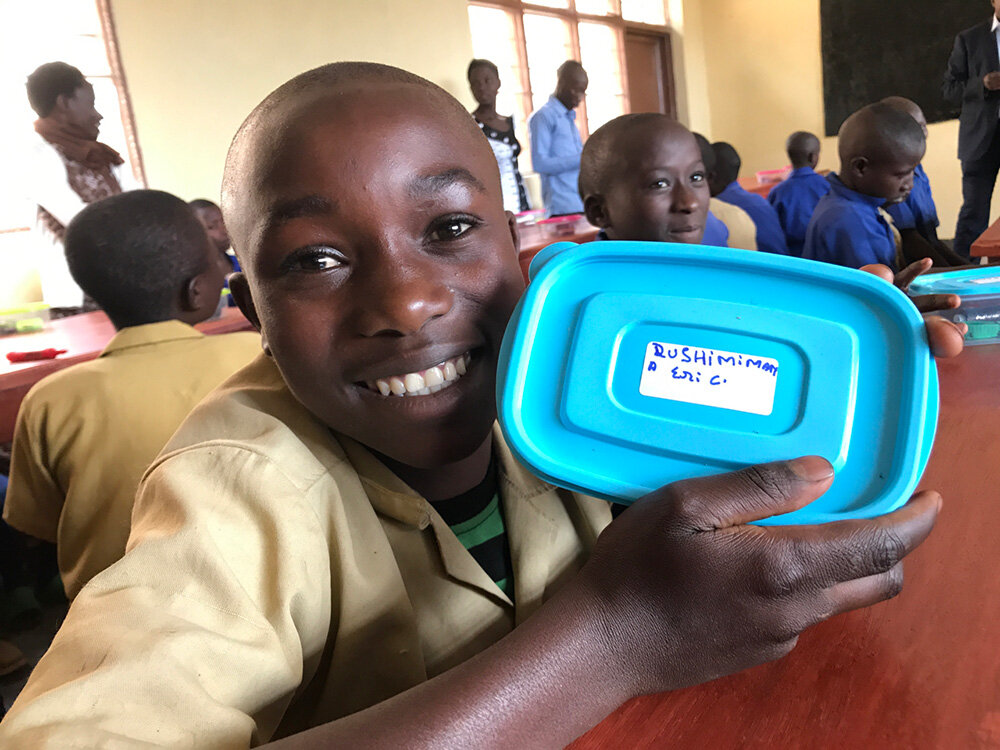
The lesson proceeded carefully, using photographs and demonstrations. After learning how to cut thread, thread a needle, tie a knot, and do a running stitch, the children immediately tried threading a needle.
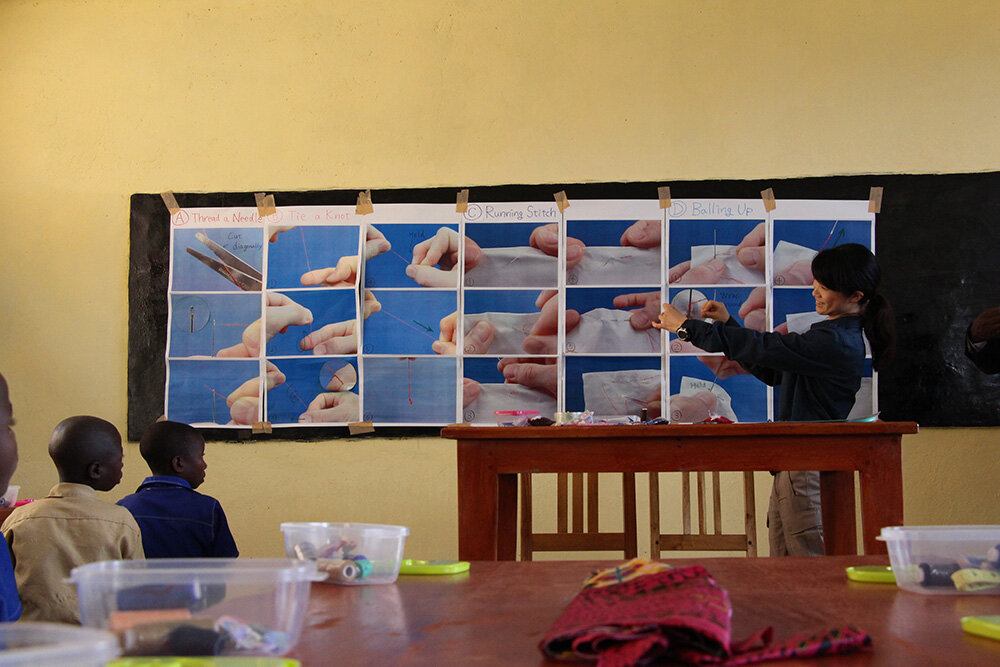
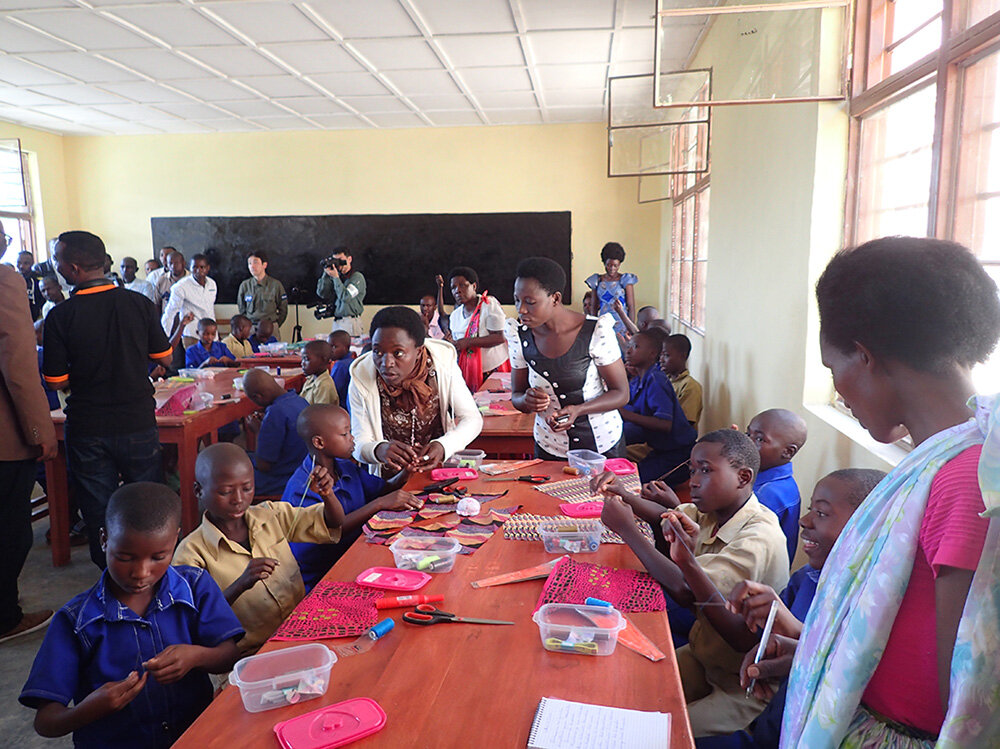
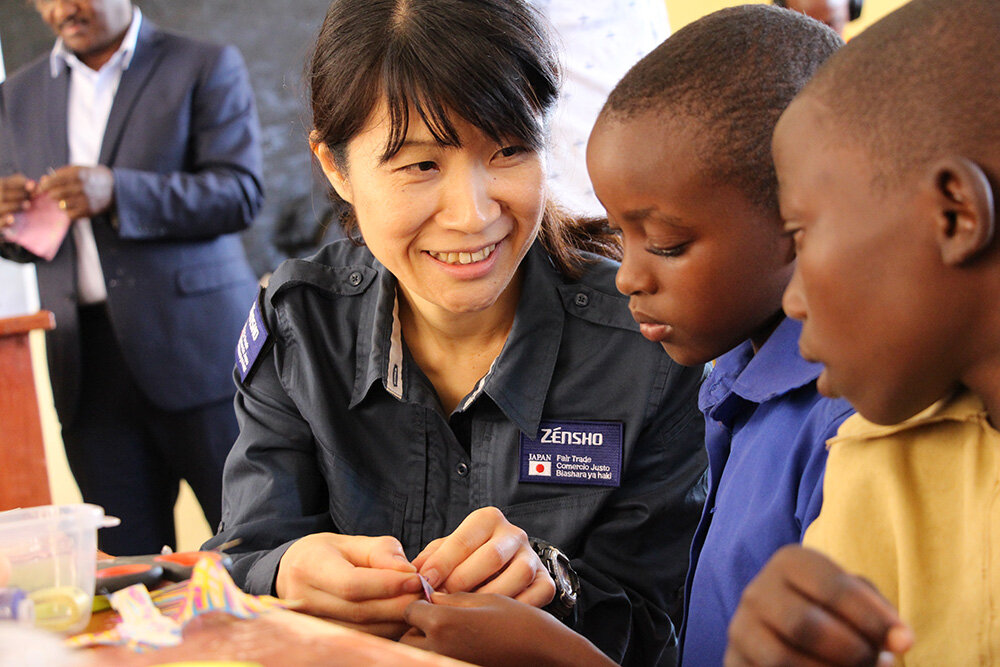
It seemed a little difficult for them, but Zensho employees went around to the tables and carefully taught the children how to sew. The children watched intently, learned the techniques, and were engrossed in sewing.
Even though it was everyone's first time sewing, they all managed to complete a small bag in less than an hour!
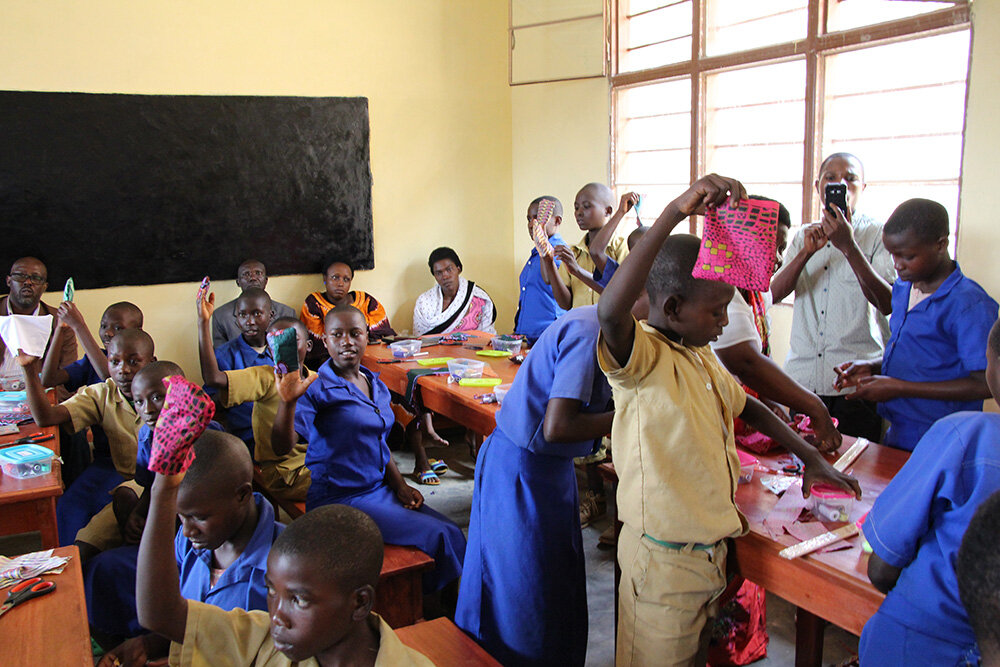
This is one of the initiatives using Zensho 's Fair Trade social development costs *.
* social development costs... This refers to the portion of the product price that is used to improve the lives of producers and other related purposes.
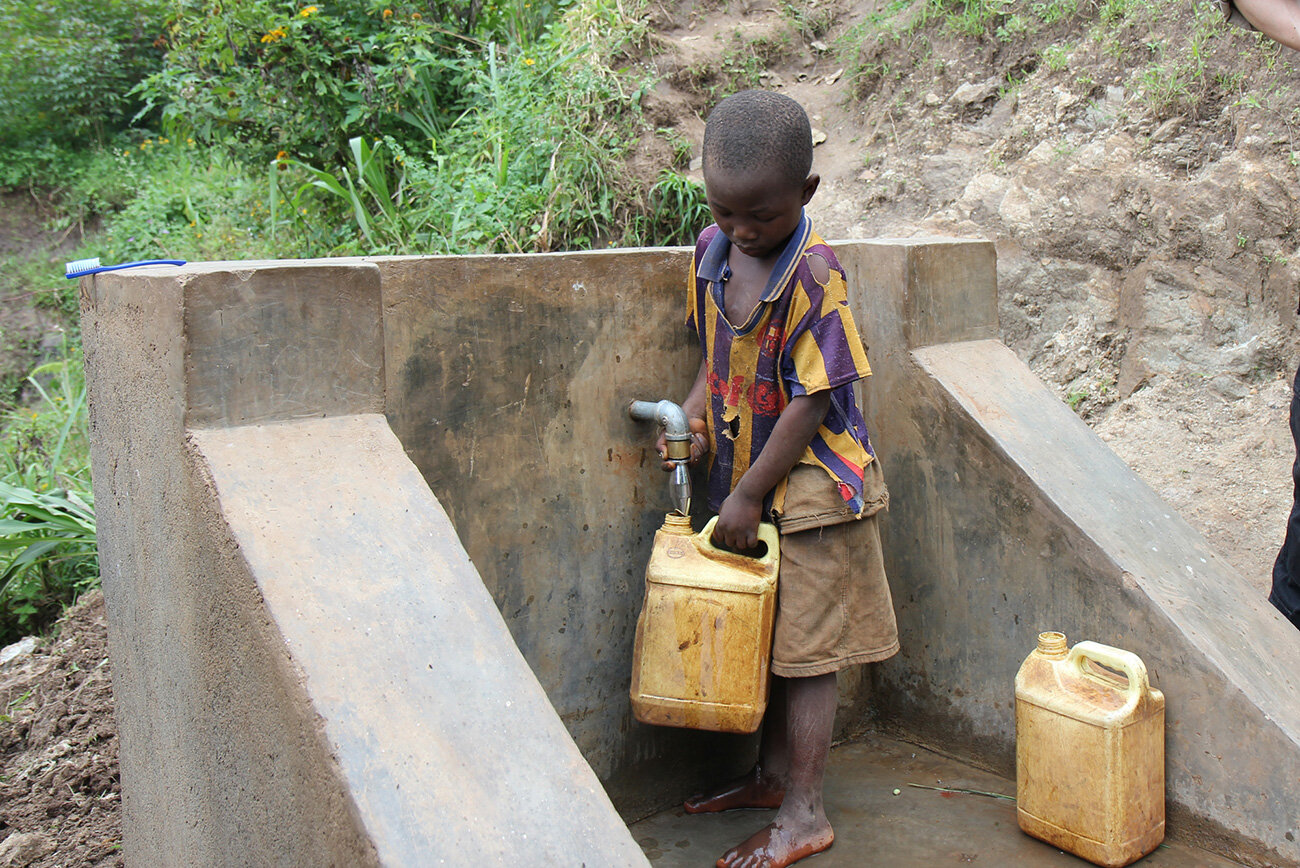
Since 2011, Zensho has been trading in fair trade coffee beans in Rwanda, and has used social development costs to construct water supply facilities. With the water supply in place, children in rural areas have been freed from the arduous task of traveling for over an hour to fetch water from distant sources, and are now able to attend school.
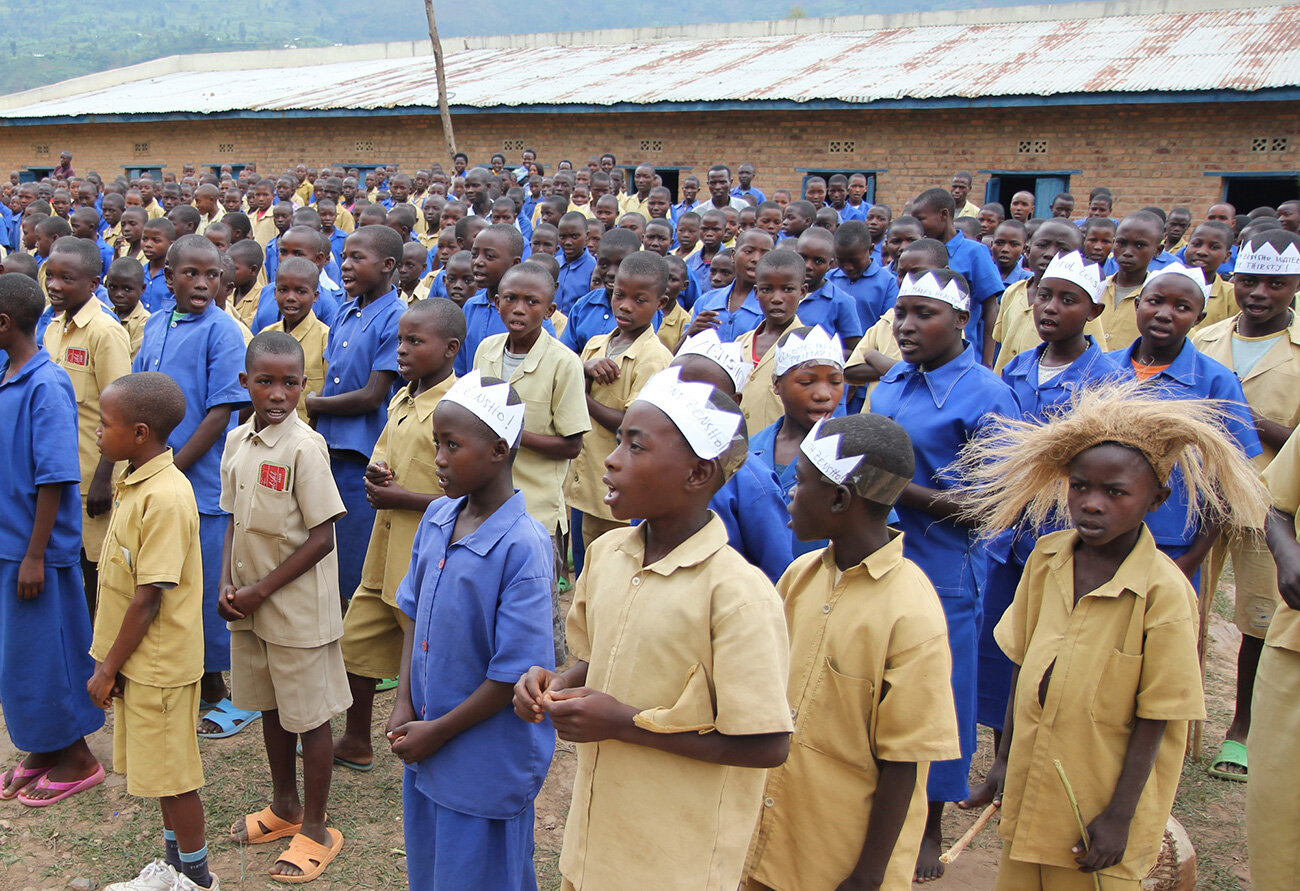
When I visited the site after its completion, the children gave me a song as a gift.
Tags
Share this article


![Aiming for fair trade that gives women's voices a chance to shine [Burundi]](/jp/action/resource/img_260528_fairtrade_01.jpg)
![Creating a sustainable society through environmentally conscious coffee production [Tanzania]](/jp/action/resource/img_260312_fairtrade_01.jpg)