![Organic farming protects the land and the livelihoods of producers [Mexico]](/jp/action/resource/1.jpg)
Next article
Sukiya 's commitment to delicious rice
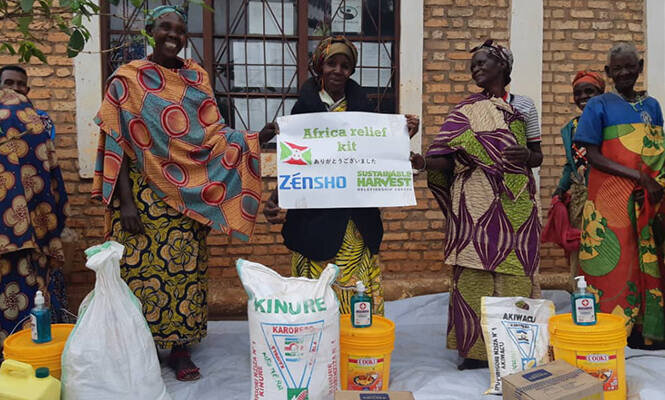
In three East African countries where Zensho conducts fair trade (Republic of Malawi, Democratic Republic of Congo, and Republic of Burundi) social development costs * generated through fair trade were used to distribute relief supplies as a measure against COVID-19.
The relief supplies distributed to production areas, where it has become more difficult than usual to deliver goods due to the spread of infection, include organically grown foods such as rice, corn flour, and beans, selected based on local conditions and the voices of producers, as well as cooking oil, sugar, salt, and masks, disinfectant, and soap for infection prevention.
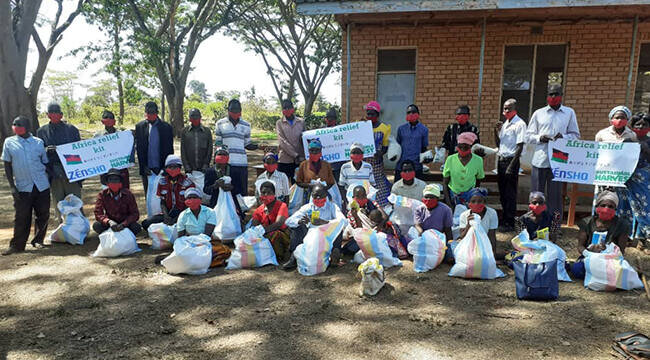
In Malawi, Zensho purchases only coffee beans grown and processed by female producers belonging to producer cooperatives with which it conducts business. social development costs generated from this business are used to support female producers and promote the transition to organic farming.
In this emergency relief effort, food and other supplies were distributed to 354 households (cumulative total), helping to improve the lives of approximately 1,800 people.
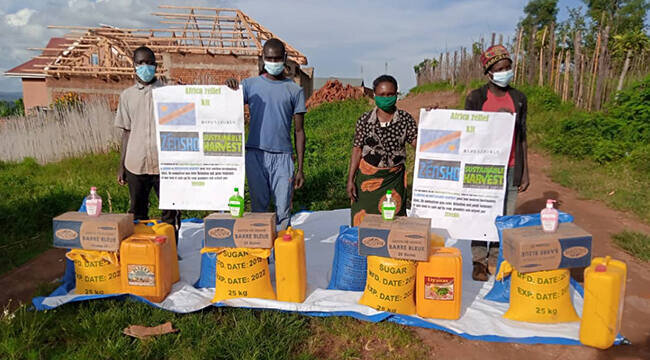
In Congo, where social instability has persisted for a long time, social development costs are used to support daily life.
In this emergency relief effort, food and other supplies were distributed to 837 households (cumulative total), helping to improve the lives of approximately 4,200 people.
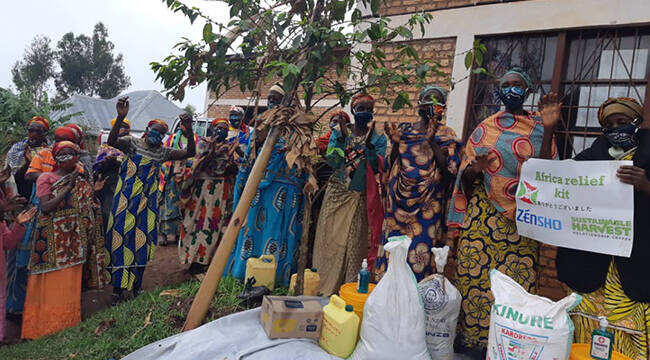
In Burundi, with the consent of producer cooperatives, they are implementing fair trade to support female producers who, despite losing their husbands in the civil war, are raising their children and protecting their land. All of Zensho 's purchases consist of coffee beans from female producers. In the initial initiative, they extended beyond the cooperative boundaries and sent one goat each to 140 female producers living around the production area. In addition to improving nutrition through milk, the supplementary income from selling surplus milk helps improve their lives.
In this emergency relief effort, food and other supplies were distributed to 1,421 households (cumulative total), helping to improve the lives of 7,105 people.
Zensho will sustainably support the economic independence of producers and the people living in those regions through the fair trade system, and will also provide emergency support tailored to the situation in production areas in the event of large-scale disasters.
Share this article


![We will continue to weave together the culture of the Lenka people [Honduras]](/jp/action/resource/img_250609_fairtrade_01.jpg)