![We will continue to weave together the culture of the Lenka people [Honduras]](/jp/action/resource/img_250609_fairtrade_01.jpg)
Next article
A parent-child food education workshop focusing on rice was held at an elementary school in Gifu Prefecture.
![We visited the site for the first time in three years [Rwanda]](/jp/action/resource/img_1124_fairtrade_01.jpg)
Watching over the growth of children
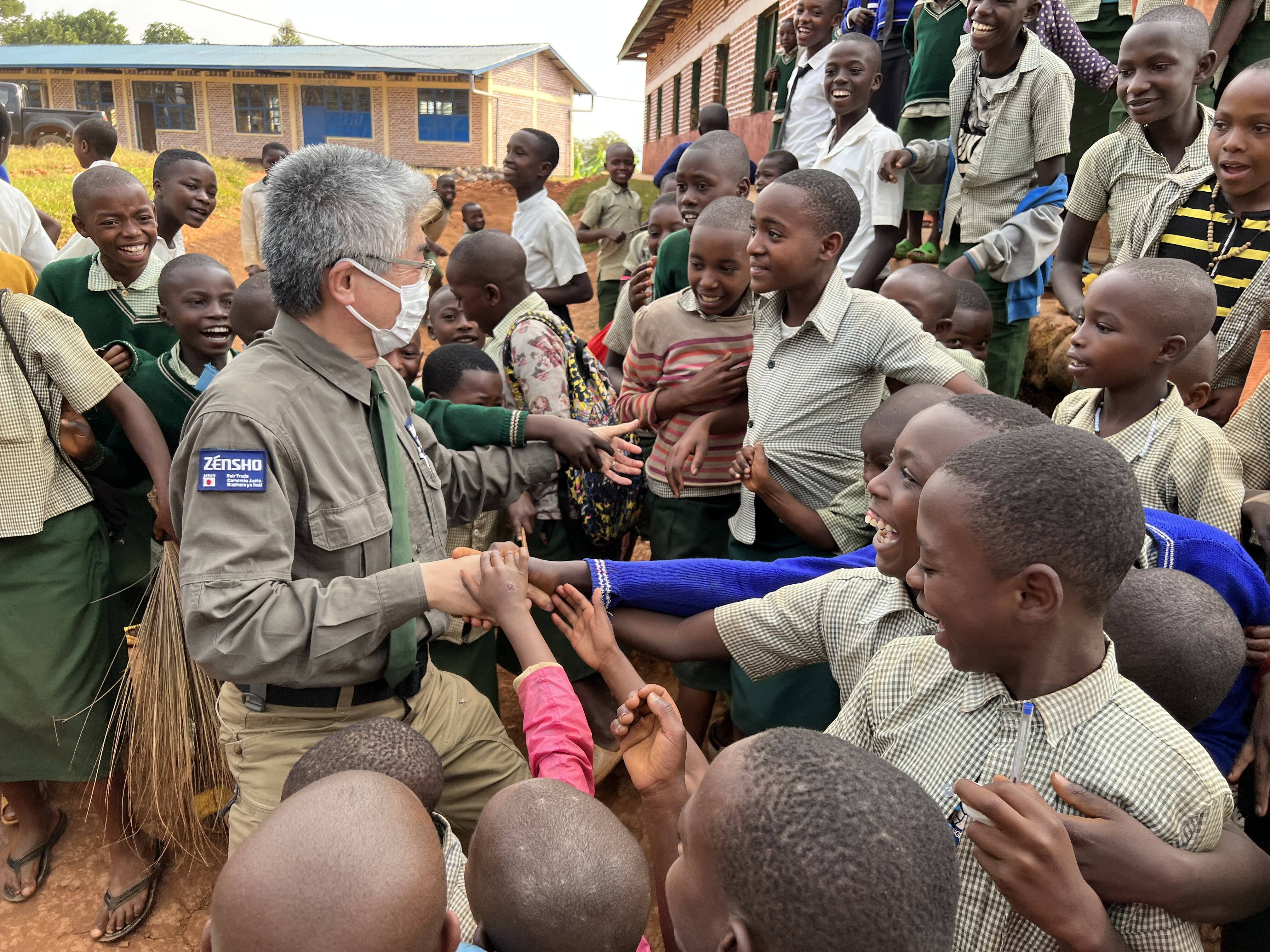
I made my first visit to Rwanda in three years, a trip that had been postponed due to the coronavirus.
Zensho engages in fair trade coffee bean trading with producer cooperatives that have overcome ethnic conflict and embody the concept of "one Rwanda."
This time, we visited genocide memorials located throughout Rwanda and offered 1,000 paper cranes folded by Zensho employees. Afterwards, we inspected water supply facilities, home economics classrooms, and coffee bean fields established with social development costs *.
* social development costs: This refers to the portion of the raw material purchase price that is allocated to various activities aimed at improving the lives of local people.
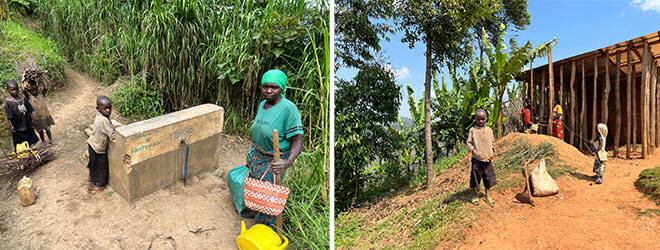
We confirmed that the water supply facilities installed near settlements and schools are still being carefully used by local residents and are contributing to the maintenance of a sanitary environment. These water supply facilities are also being used to improve the quality of coffee beans processed using the same water source.
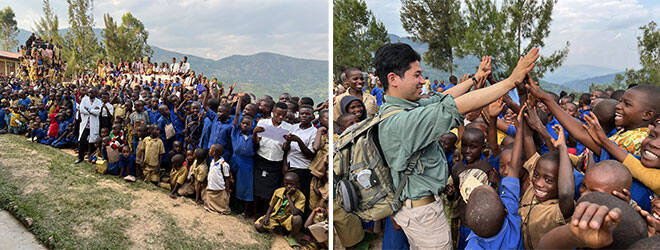
The home economics classroom initiative, which was completed in 2017, has now spread to seven schools.
In conjunction with Zensho 's visit, a presentation of their achievements to date was held. Zensho employees attended the presentation, receiving a warm welcome from many children.
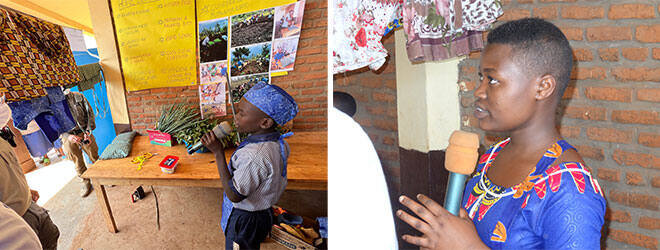
We were able to confirm that the children were developing teamwork and social skills through activities such as sewing clothes and bags, and gardening. Some graduates even used the sewing skills they learned in home economics class to create their own clothes and present them at events.
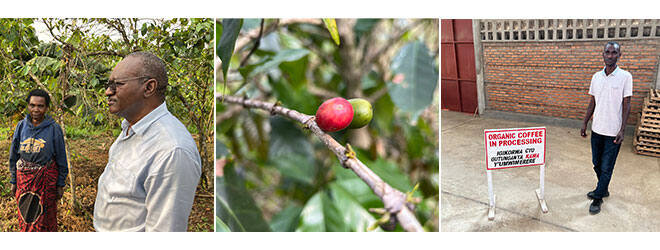
At the coffee bean fields, we checked the quality and storage conditions of organic coffee beans grown in fields that have obtained organic JAS certification.
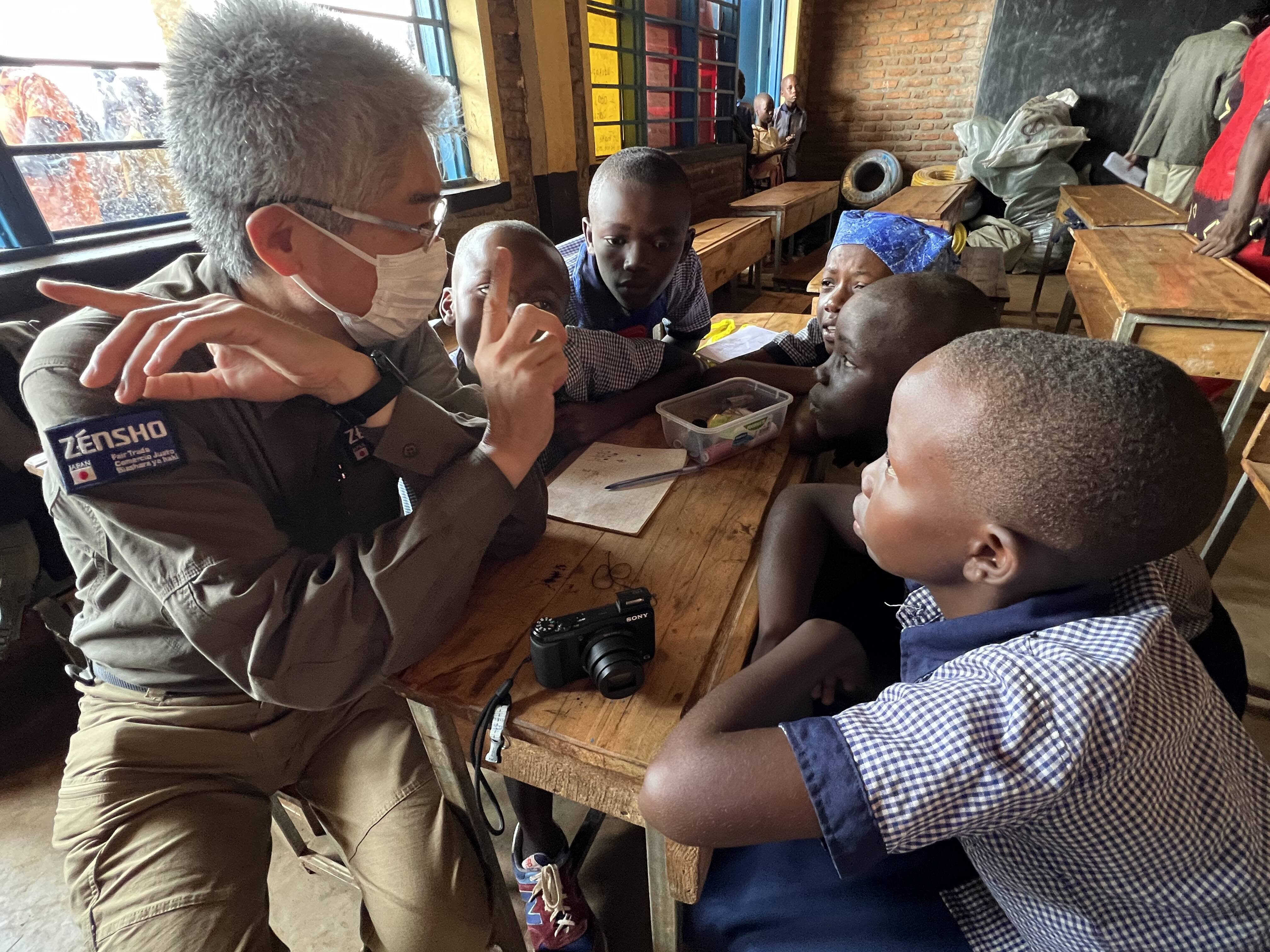
A member of the Fair Trade Department said, "We approached this visit, our first in three years, with some apprehension. We were surprised but also relieved to see that the number of children who can attend school is steadily increasing. When we look back to 2011, when we started our work in this region, it was commonplace for people to live without even running water, let alone schools. Now, it is becoming a part of the daily life in this village to see many children happily going to school every day. Being able to witness a part of the scene that we dreamed of together with the producers that day has renewed our resolve to continue to support their future." She spoke about the achievements to date and future initiatives.
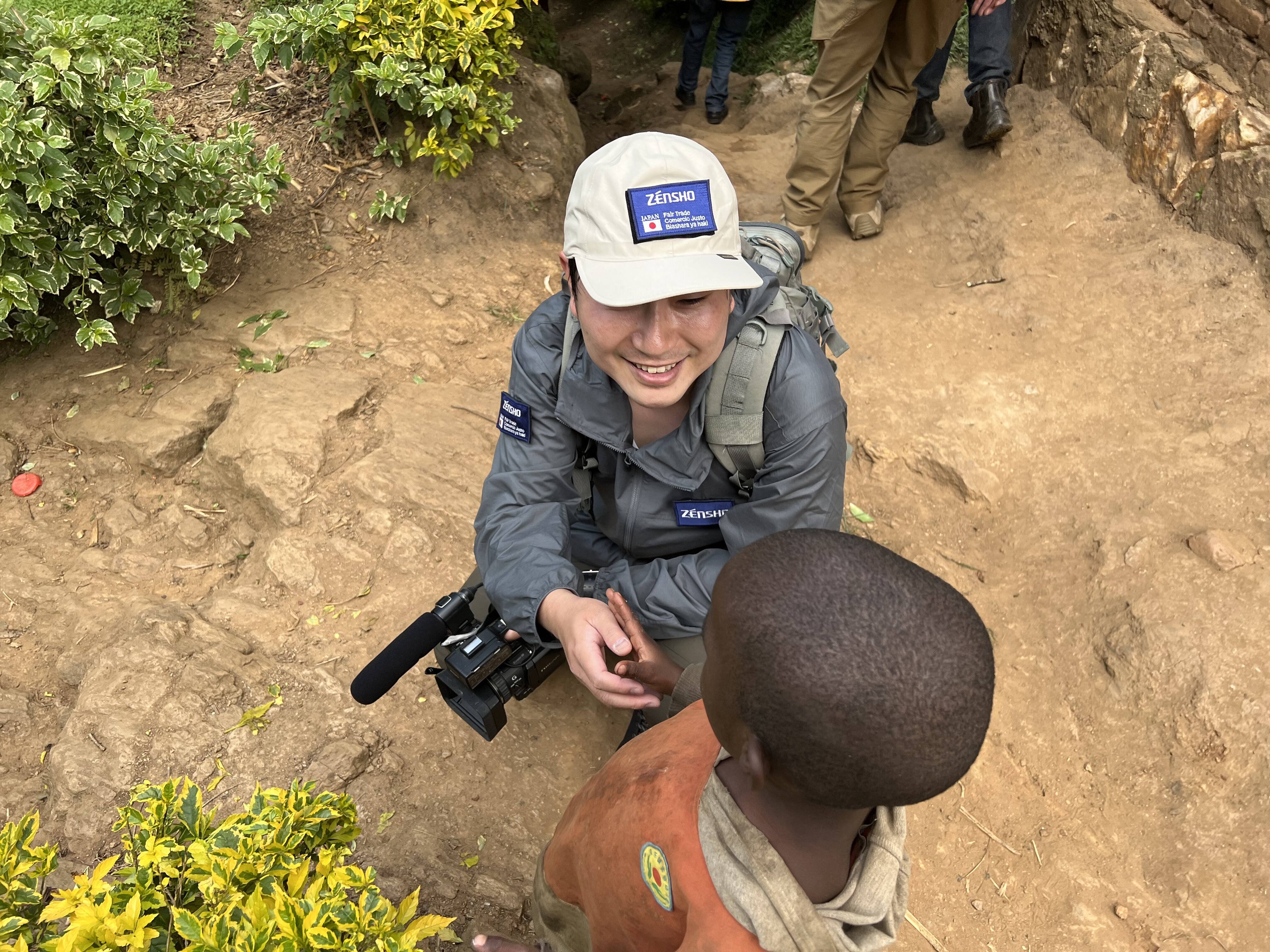
A Zensho employee who accompanied the Fair Trade Department members on their first visit to the region reflected on the trip, saying, "We inspected water supply facilities and home economics classes, and we realized that our business is contributing to improving their living environment and the growth of the children. We were also surprised to find that the Rwandan cities we arrived in, which we had imagined would be filled with nature, were lined with buildings, and that cashless payments were the norm, indicating an advanced IT environment. We will continue to do our best to contribute in any way we can."
Zensho will continue to support the economic independence of producers and the people living in those regions through fair trade.
Share this article


![Aiming for fair trade that gives women's voices a chance to shine [Burundi]](/jp/action/resource/img_260528_fairtrade_01.jpg)
![Creating a sustainable society through environmentally conscious coffee production [Tanzania]](/jp/action/resource/img_260312_fairtrade_01.jpg)