![Organic farming protects the land and the livelihoods of producers [Mexico]](/jp/action/resource/1.jpg)
Next article
Contributing to the local community through mask-making in home economics class
![Overcoming rust disease damage: [Nicaragua]](/jp/action/resource/img_210617_fairtrade_01.jpg)
Since 2015, Zensho has been working on fair trade coffee in partnership with a coffee producers' cooperative operating in northern Nicaragua.
The coffee beans we source from Nicaragua are now of high quality and can be reliably exported to Japan, six years after we started this initiative. However, the situation was dire when we first began. A field survey conducted in 2014 revealed that many coffee trees had died due to coffee rust disease, which was caused by prolonged rainfall resulting from climate change. The remaining trees were being sprayed with fungicides by producers, and protecting their drastically reduced source of income took precedence over continuing organic farming.
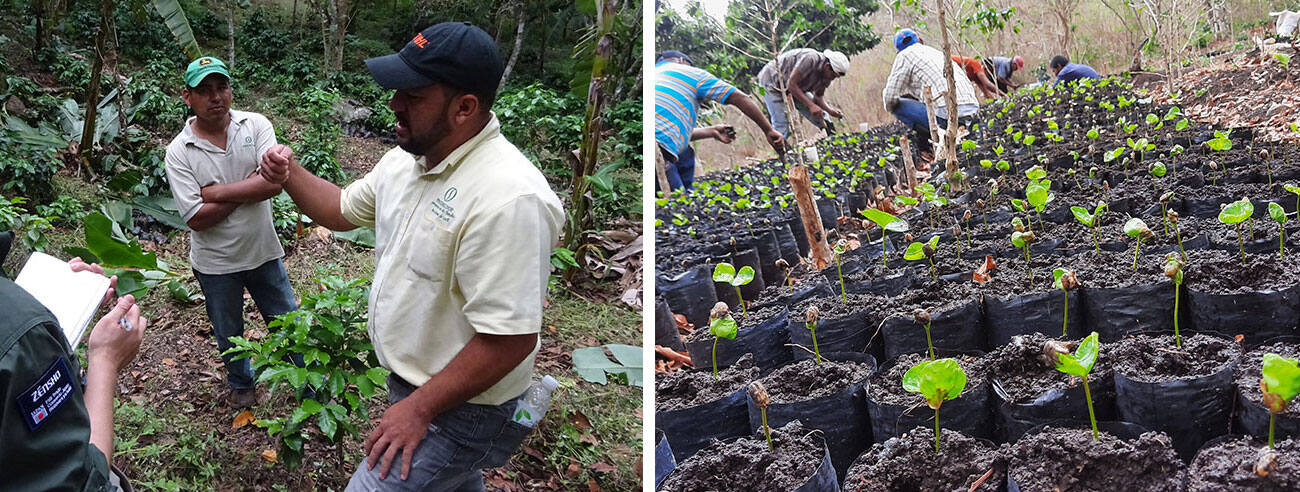
When starting fair trade transactions, the main issue we discussed with producer cooperatives was "what we should do to increase production and help them rebuild their livelihoods."
While supporting a restart with disease-resistant varieties seemed reasonable given the widespread coffee rust disease, the producers had a strong attachment to the varieties their ancestors had cultivated for generations. Zensho empathized with this sentiment and began supporting the production and replanting of seedlings of this traditional variety, as well as efforts to regain organic certification. It takes about five years after planting for coffee trees to produce enough fruit of sufficient quality and quantity to be marketable. During this period, Zensho continued to support the producers by continuing to purchase coffee beans that had lost their organic certification.
Then, as time passed, in 2019, the producers' efforts bore great fruit with the completion of regaining organic JAS certification and the emergence of signs of a recovery in harvest yields.
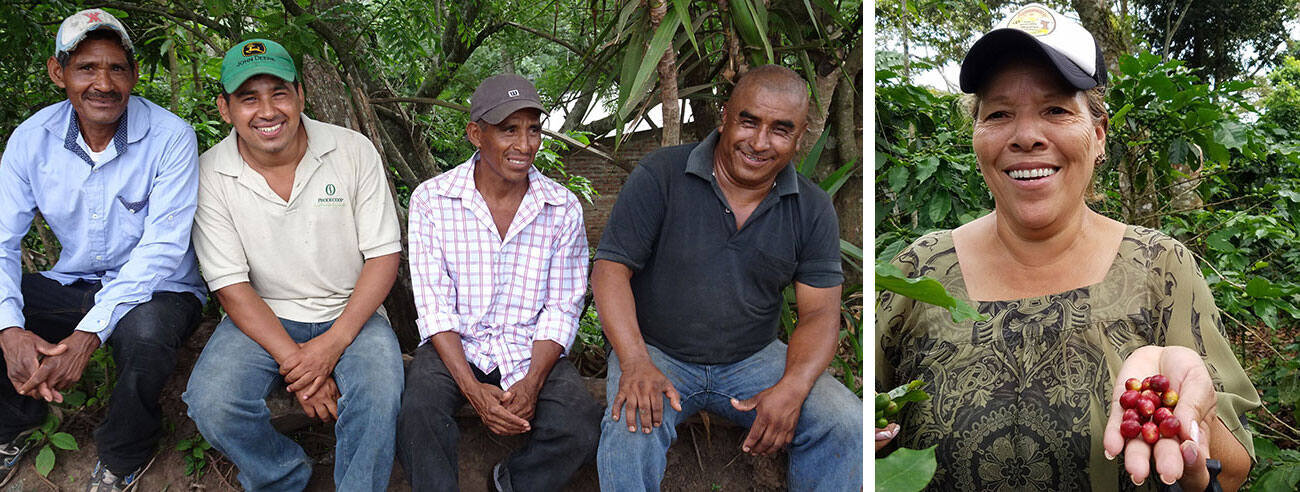
Furthermore, the producers chose to use social development costs * generated through fair trade of non-organic coffee beans to help other producers' cooperatives that are still suffering from reduced yields due to coffee rust disease. This decision reflects their belief in the importance of supporting one another as fellow coffee producers and their concern for their fellow members.
* social development costs: This refers to the portion of the raw material purchase price that is allocated to various activities aimed at improving the lives of local people.
Tags
Share this article


![We will continue to weave together the culture of the Lenka people [Honduras]](/jp/action/resource/img_250609_fairtrade_01.jpg)